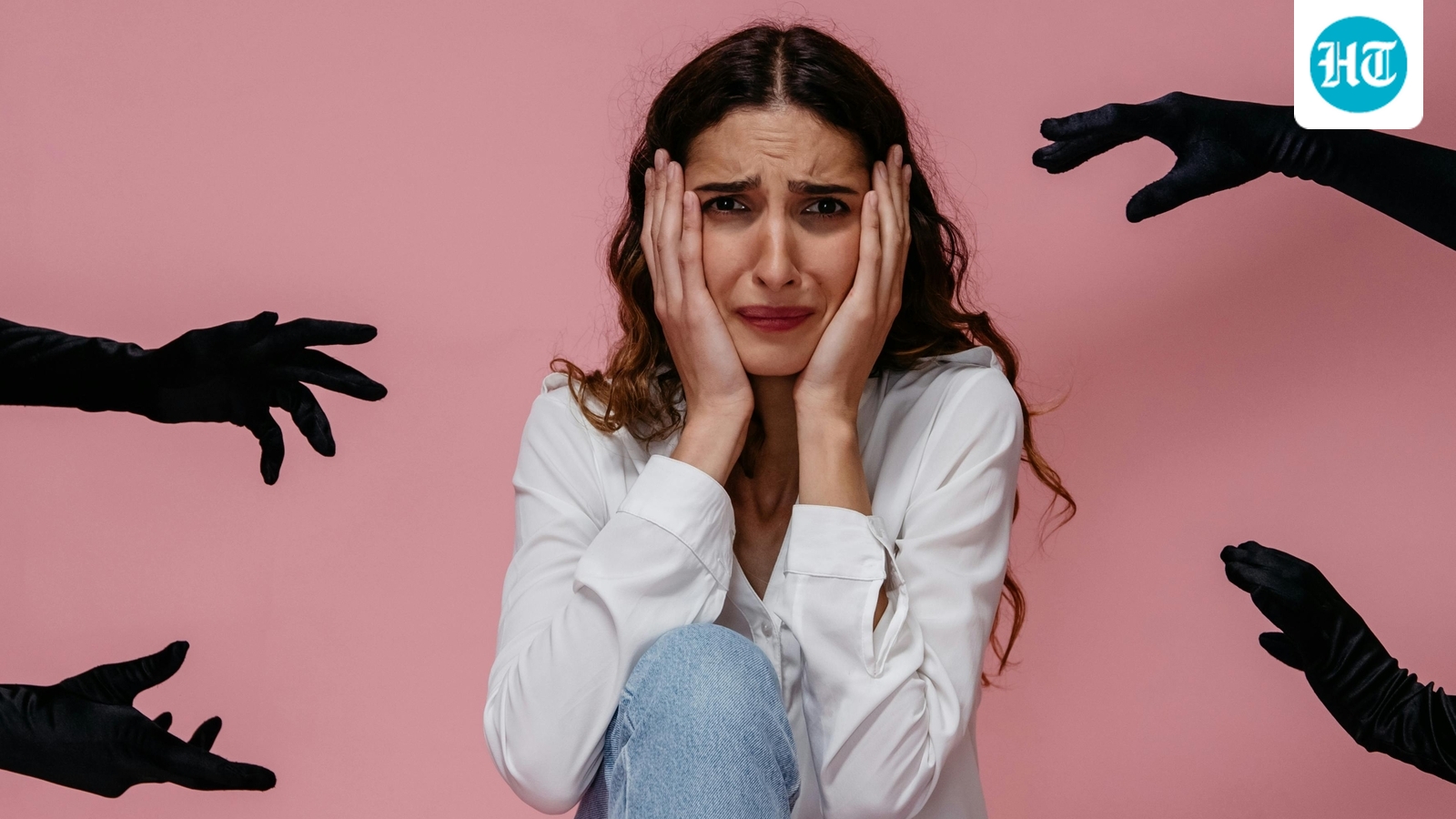
That sudden flutter in your chest when you’re anxious or overwhelmed can feel terrifying – but in many cases, it’s not a sign of a failing heart. Palpitations are often driven by adrenaline surges during stress, panic or fatigue, making them the body’s reflex response rather than a dangerous cardiac event. The key is to stay grounded, calm your system and identify what’s triggering the sensation in the first place.

Dr Dmitry Yaranov, a cardiologist and heart-transplant specialist with expertise in advanced heart failure and mechanical circulatory support, has shared five ways you can calm down heart palpitations. In an Instagram video posted on December 8, the cardiologist explains that palpitations are often harmless and simply the body’s response to a stressor – but advises seeking immediate medical attention if they occur alongside other concerning symptoms.
He states, “Heart palpitations feel dramatic – like your heart is skipping, fluttering, or buzzing out of nowhere. But here’s what I tell my own patients: most palpitations are your body reacting, not your heart failing.”
He outlines five ways to calm your heart:
Slow your breathing
According to Dr Yaranov, taking slow, deep breaths can help control the fluttering in your chest. He explains, “A long, controlled exhale pulls you out of ‘fight-or-flight’ and settles the rhythm faster than anything else.”
Vagal maneuvers
Dr Yaranov recommends doing vagal maneuvers – actions that stimulate the vagus nerve – to calm down irregular heart rhythms. He highlights, “Vagal maneuvers – a gentle bear down or even cold water on your face – can interrupt the adrenaline loop that’s driving the sensation.”
Find the trigger
Palpitations can occur for a variety of reasons, and pinpointing the trigger often helps uncover the underlying cause – once that cause is addressed or removed, the palpitations usually settle on their own. The cardiologist elaborates, “Caffeine, alcohol, nicotine, stress, poor sleep, dehydration, spicy foods – your heart almost always has a reason. Remove the trigger and the palpitations often fade.”
Rehydrate
Dehydration and low electrolyte levels are common triggers for palpitations, which is why timely rehydration can often help steady your heartbeat and restore its normal rhythm. Dr Yaranov points out, “Low fluid or electrolytes make the heart irritable. Half of the “random” palpitations I see are actually dehydration in disguise.”
Stay calm
Maintaining your composure can help settle heart palpitations, as it lowers adrenaline levels and prevents that surge of stress hormones from further aggravating your heartbeat. Dr Yaranov highlights, “Adrenaline palpitations feel scary but are rarely dangerous. But if there’s chest pain, fainting, shortness of breath, or episodes that keep coming back – that’s when you get checked.”
Note to readers: This article is for informational purposes only and not a substitute for professional medical advice. It is based on user-generated content from social media. HT.com has not independently verified the claims and does not endorse them.