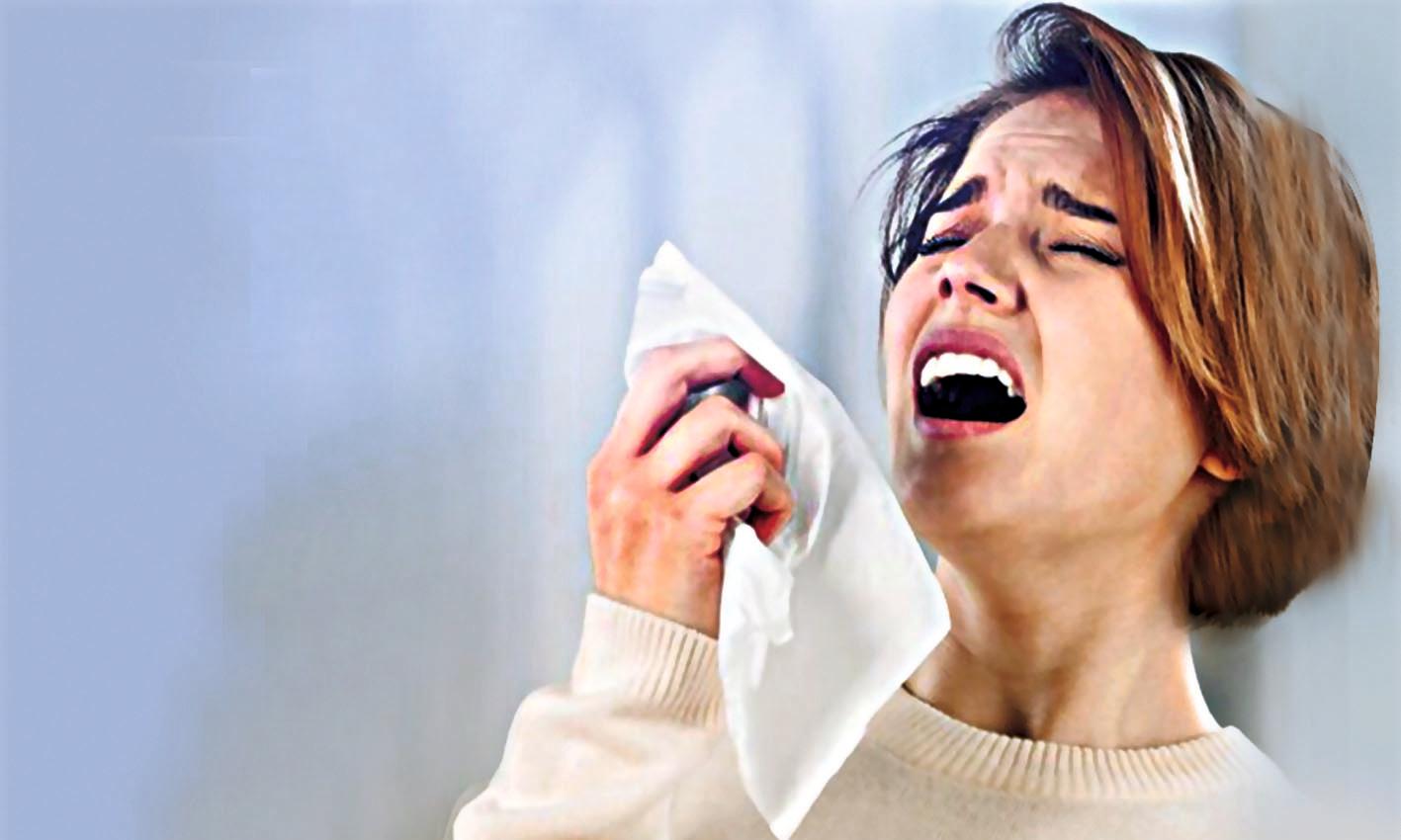

Never hold your sneeze or stifle it. And ‘Bless You’ if you sneeze freely without any inhibitions. Public health authorities are urging people to stop suppressing sneezes, warning that what may seem like a polite social habit can actually lead to serious medical complications. The advisory follows a rise in reported injuries linked to sneeze suppression, including ruptured throat tissue, burst blood vessels in the eyes, facial nerve strain, and damaged eardrums. Medical professionals say the issue has gained urgency as more people stifle sneezes in public spaces out of fear of social judgment or being perceived as unhygienic.
Sneezing is one of the body’s most powerful involuntary reflexes, designed to expel irritants such as dust, allergens, bacteria, and viruses from the nasal passages. Interfering with that reflex, doctors warn, can redirect immense pressure to vulnerable internal structures.
Sneeze Now, Explain Later
A single sneeze can generate air pressure travelling at speeds exceeding 150 kilometres per hour. When the nose and mouth are forcibly closed, that pressure has nowhere to go. Instead, it is pushed into the throat, sinuses, middle ear, and even the bloodstream.
According to ENT specialists, this sudden pressure spike can cause micro-tears in the throat lining, rupture small blood vessels in the eyes, and in rare cases, lead to eardrum perforation. Though most injuries are not life-threatening, they can result in lasting discomfort, hearing issues, or recurrent infections.
“People underestimate how violent a sneeze actually is,” says Dr. Namita Agrawal, Consultant ENT, Mumbai. “When you block it, the pressure doesn’t disappear — it simply moves inward, and that’s where damage occurs.”
Social Politeness vs. Physical Safety
Experts say the trend of sneeze suppression has intensified in recent years, particularly after the COVID-19 pandemic reshaped public attitudes toward coughing and sneezing. Many people now feel embarrassed sneezing loudly in shared spaces like offices, public transport, or restaurants.
“Patients often tell us they held in a sneeze because they didn’t want to attract attention or alarm others,” said Dr. Sudesh Yadav, public health physician, Mumbai. “Ironically, trying to appear considerate can put their own health at risk.”
Doctors emphasize that sneezing itself is not inherently unhygienic — it’s how one sneezes that matters. Covering the mouth and nose properly or turning away from others significantly reduces the spread of droplets without suppressing the reflex.
A Matter Of Concern
The advisory follows several documented cases across hospitals in which patients reported sudden pain or injury immediately after suppressing a sneeze. In some instances, individuals experienced sharp neck pain, temporary voice loss, or a sensation of air trapped under the skin — a condition known as subcutaneous emphysema.
While such cases remain uncommon, physicians stress they are preventable. “These are not freak accidents,” Dr. Agrawal notes. “They happen because we’re actively working against our own anatomy.”
Sneeze Scare & Care
Rather than holding in sneezes, public health experts recommend safer alternatives that balance hygiene with bodily safety. Sneezing into a tissue, an elbow, or a cloth mask allows pressure to escape while limiting the spread of germs. Washing hands immediately afterwards further reduces risk.
Medical professionals also caution against pinching the nose or clenching the jaw during a sneeze — two common habits that significantly increase internal pressure.
“Your body knows how to protect itself,” Dr. Yadav said. “Our role is to guide behaviour so that natural reflexes aren’t turned into medical problems.”
Rethinking Health Habits
The advisory highlights a broader public health message: everyday behaviours, often shaped by social norms, can have unintended health consequences. From ignoring bathroom urges to suppressing coughs or sneezes, experts say people frequently override biological signals in the name of convenience or politeness.
As health officials continue to emphasize preventive care and body awareness, the message is clear — sneezing should not be a source of shame or suppression.
In public spaces where hygiene remains a shared responsibility, doctors urge people to focus less on silencing the sneeze and more on managing it responsibly. Letting the body do its job, they say, may be the healthiest option of all.