2 min readUpdated: Apr 16, 2026 05:43 PM IST
173 years of Indian Railways: Indian Railways (IR) on Thursday marked its 173rd anniversary. On April 16, 1853, the country’s first passenger train ran between Bombay (now Mumbai) and Thane in Maharashtra. The launch of train services in India marked a new era of mobility and connectivity.
When was the first passenger train run in India
India’s first passenger train began its commercial journey from Mumbai’s Bori Bunder station (now Chhatrapati Shivaji Maharaj Terminus). At the time, it was operated by the Great Indian Peninsula Railway (GIPR). In 1900, GIPR was merged with the Indian Midland Railway Company.

Due to the significance of the first train’s operation on April 16, 1853, the day was declared a public holiday in Bombay, allowing citizens to witness the inauguration of this new mode of transport. As a result, large crowds gathered at Bori Bunder station.
The idea of a railway to connect Bombay with Thane first occurred to George Clark, the then Chief Engineer of the Bombay Government, during a visit to Bhandup in 1843.
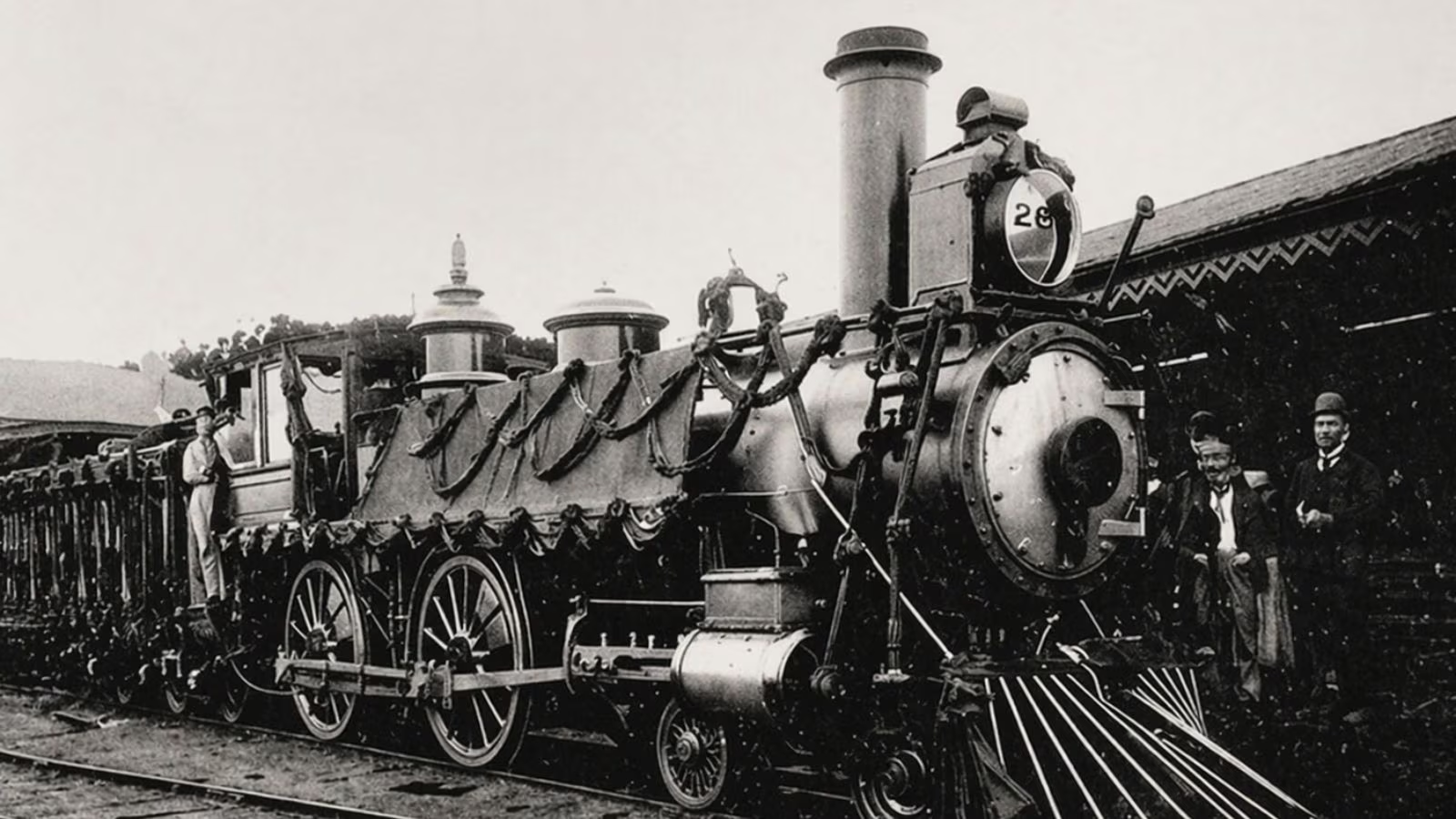
According to the national transporter, about 400 passengers boarded the train for the inaugural run. It left Bori Bunder at 15:30 hrs. The train composed of 14 passenger carriages and was hauled by three steam locomotives: Sultan, Sindh and Sahib.
The departure of Bombay to Thane first passenger train was accompanied by a ceremonial 21-gun salute, showing the beginning of railway transport in the country. The train completed its journey of approximately 35 km in 57 minutes.
 The Thane bridge holds a special place in Indian Railways’ history. It was built during the construction of the country’s first passenger train run between and in 1853. (Image: Ashiwni Vaishnaw/X)
Transformation of Indian Railways
Over time, Indian Railways has witnessed a significant transformation – from steam engines to diesel locomotives and eventually to electric trains. In the coming months, the national transporter is also set to introduce hydrogen-powered trains, marking another step towards cleaner and more sustainable transportation. The hydrogen train will run between Jind and Sonipat in Haryana.


Stay updated with the latest – Click here to follow us on Instagram
© IE Online Media Services Pvt Ltd