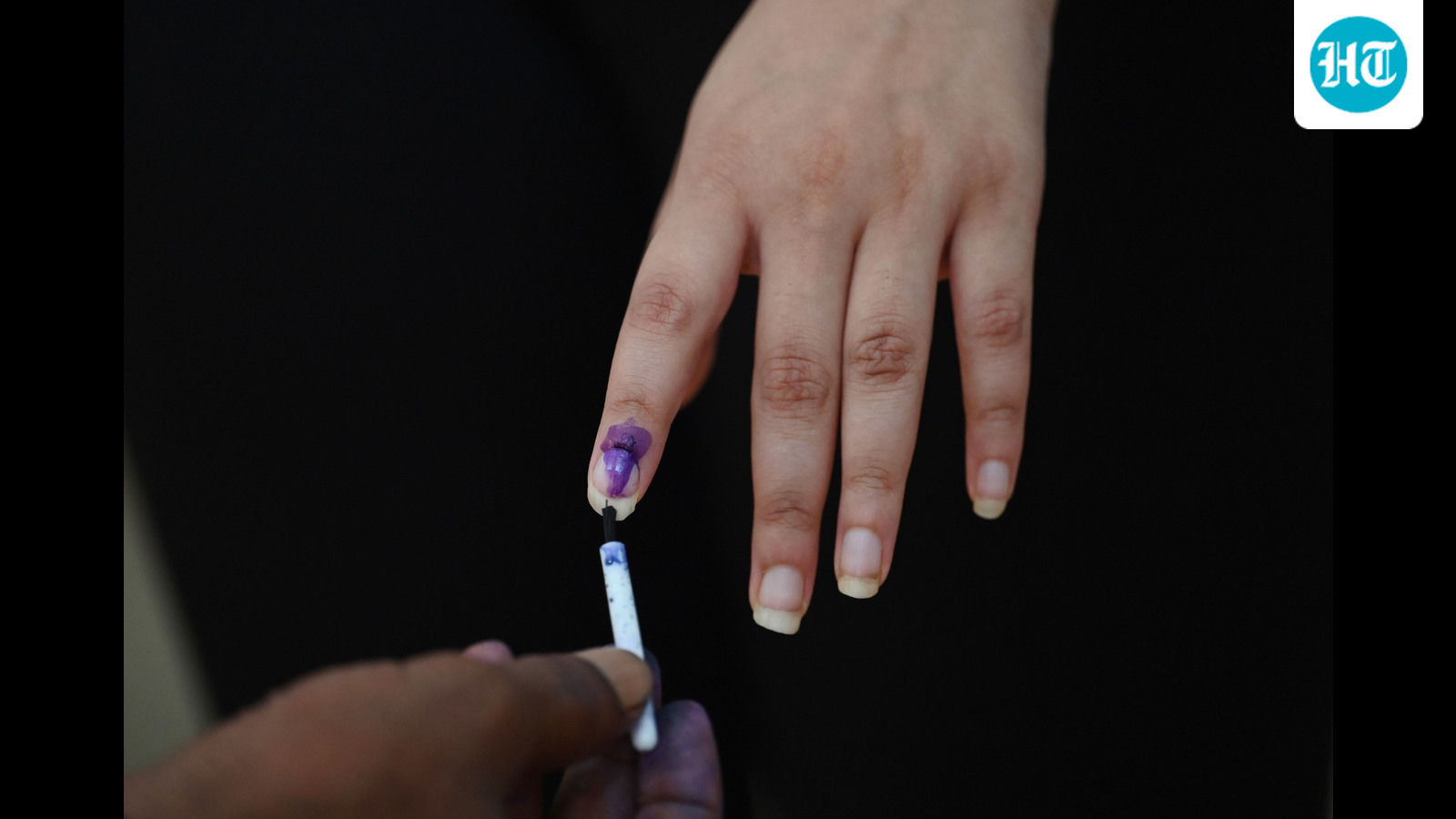
Citizens’ forums across Pune have stepped up pressure on political parties ahead of the forthcoming Pune Municipal Corporation (PMC) elections, using manifestos and coordinated social media campaigns to push core civic issues into the spotlight. Resident groups, resident welfare associations and civil society collectives have released citizens’ charters focusing on pothole-free roads, water supply, public transport, pollution control, transparency and accountable governance.
These demands are being amplified through hashtags, online and offline town halls and public scorecards tracking the past performance of corporators. With civic polls approaching after a prolonged delay, sustained digital and on-ground mobilisation is forcing candidates and parties to acknowledge local concerns, respond publicly, and promise time-bound solutions, signalling a more citizen-driven push in the PMC election discourse.
In ward number 9, which covers Baner–Balewadi, Sus–Mahalunge, Pashan and Sutarwadi, long-pending issues such as erratic water supply, traffic congestion, deteriorating roads, inadequate civic infrastructure, cleanliness, and safety and protection of green spaces are back in focus. Residents have also flagged rising air, noise and construction-related pollution and its growing impact on public health and the quality of life.
Against this backdrop, the Baner-Balewadi Pashan Residents Association (BBPRA) and the Baner-Balewadi Nagrik Manch (BBNM) have jointly launched a citizens’ manifesto initiative titled ‘My vote matters and my voice too’. The non-partisan initiative aims to prepare a citizen-centric manifesto shaped entirely through public participation. Organisers said the document will capture the residents’ lived experiences, priority issues, suggested solutions and a long-term vision for sustainable development in ward number 9, and will be submitted to all candidates contesting the PMC elections.
Residents have been invited to contribute through Google Forms, email submissions and direct interactions with citizens’ groups across neighbourhoods. Organisers said a manifesto rooted in broad participation could serve as a roadmap for balanced and inclusive development.
A similar push is visible in Kalyani Nagar, where Team Swachh Kalyani Nagar (TSKN) has prepared a charter of civic demands to be submitted to political parties and aspirants. Residents said that the charter seeks policy-level attention to key urban issues, with a vision of building a clean, green and healthy Pune.
“Kalyani Nagar deserves governance that protects peace, not policies that invite chaos. Safety for women, senior citizens and families is foundational. Reliable water supply, walkable footpaths, functional drainage and clean surroundings are basic rights, not privileges,” said citizens’ rights activist Monica Sharma. She added that unchecked commercialisation, misuse of change-of-use permissions, noise pollution and garbage burning are eroding safety and liveability.
Echoing similar concerns, Ameya Jagtap of the Baner-Balewadi-Pashan Residents Association said that water supply, traffic congestion, roads, cleanliness, safety and conservation of green spaces remain critical. “Rising air, noise and construction-related pollution directly affect public health and quality of life. The policies and priorities decided today will shape the future of this area,” he said.
Citizens’ forums in southern Pune also raised questions about transparency and accountability. Sunil Aiyer, director of the Mohammadwadi-Undri Residents Welfare Development Foundation (MURDWF), said that the PMC collects substantial property tax under various heads such as sanitation, water supply and road maintenance, but residents often see little corresponding development on the ground.
“Undri was merged into the PMC limits in 2017, but development has been minimal. This raises serious questions about transparency and deployment of funds. Large infrastructure projects, such as overhead water tanks built at significant cost, remain non-functional years later,” Aiyer said, adding that repeated poor-quality roadworks point to systemic inefficiencies.
The upcoming PMC elections assume added significance as they will be the first full civic polls since Undri and Pisoli were merged into the civic limits. Against this backdrop, MURDWF has initiated the preparation of a citizens’ charter manifesto for ward number 41, outlining the residents’ concerns, expectations and aspirations.
The charter will be submitted to all candidates contesting the PMC elections as a benchmark for accountability, the group said in a widely shared post on X and other online platforms. Residents of ward number 41 are seeking concrete, time-bound commitments on issues such as reliable water supply, improved roads and traffic management, complete sewage and stormwater networks, removal of encroachments on public land, and enhanced safety through better lighting and policing, said Sunil Koloti, another director of the forum.