2 min readNew DelhiUpdated: Mar 18, 2026 10:34 PM IST
Financial inputs must translate into measurable global outcomes, the Parliamentary Standing Committee on Education has noted, while calling for a “comprehensive performance review” of all institutes that have been designated as Institutions of Eminence (IoEs).
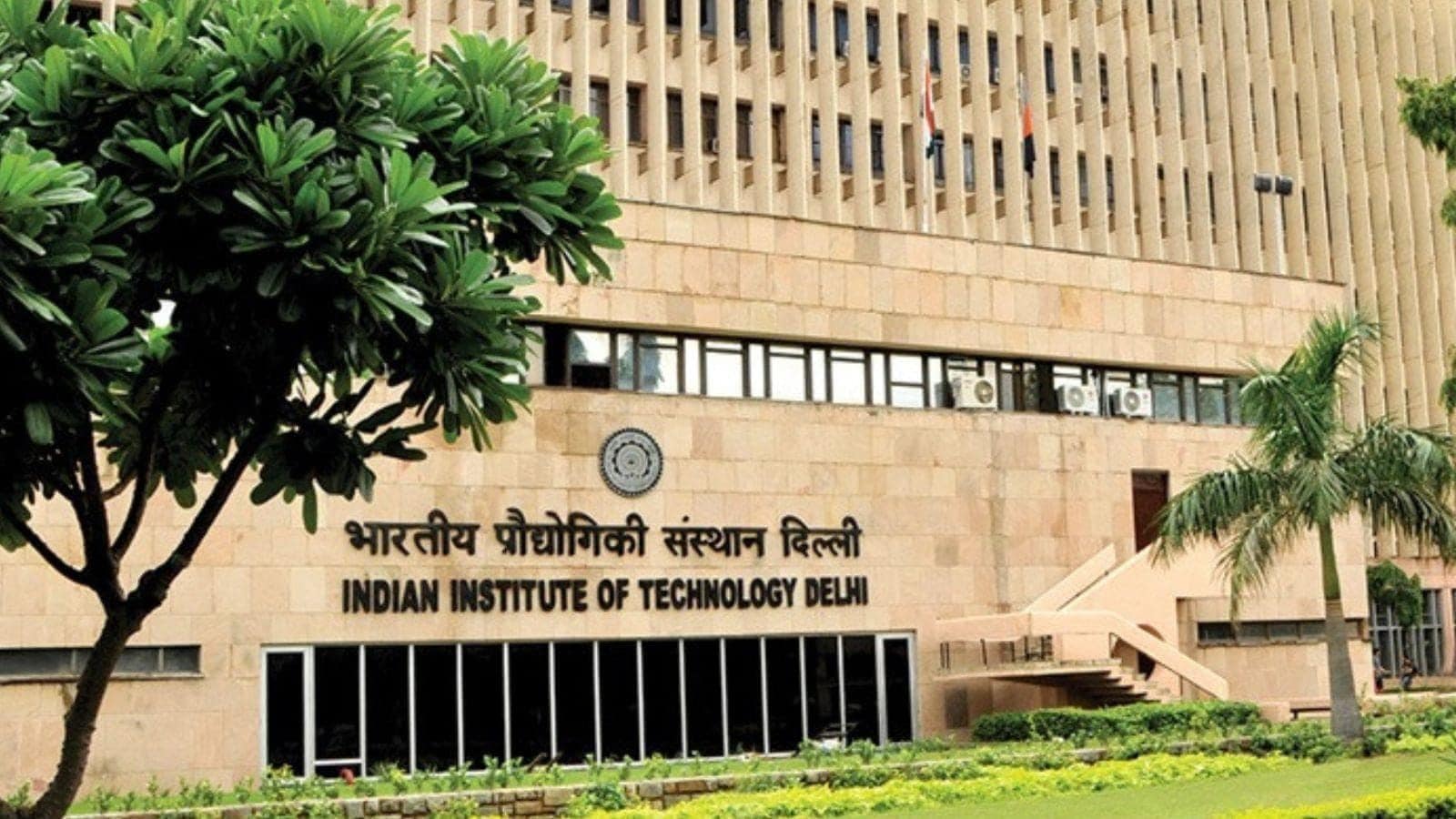
Twelve institutions have been granted IoE status so far – eight public and four private ones. This includes IITs Delhi>, Bombay, Madras, Kharagpur, and IISc, and BITS Pilani, O P Jindal Global University, Manipal Academy of Higher Education, and Shiv Nadar University.

The scheme was launched in 2017 with the aim of declaring 10 public and 10 private institutions as IoEs and turning them into “world class” institutions. While the scheme involves financial assistance to the public institutions, it promised significant autonomy in academic, administrative, and financial matters to the private ones. The scheme also aimed to enable these institutions to eventually be ranked among the top 100 in global university rankings.
The committee, in a report on the Department of Higher Education’s demand for grants 2026-27, presented to Parliament on Wednesday, noted that no Indian university has secured a rank in the top 100 of the QS World University Rankings yet, “notwithstanding the substantial financial assistance, enhanced autonomy, and policy support extended under the Institutions of Eminence (IoE) initiative”.
Stating that “financial inputs must translate into measurable global outcomes”, the committee has recommended that “a comprehensive performance review of all designated IoEs should be undertaken”, and clearly defined, time-bound outcome benchmarks should be established, along with a robust monitoring framework.
“The Committee also recommends linking future financial support to demonstrable progress in research output, faculty quality, internationalisation, and global academic reputation,” the report stated. The committee is headed by Congress Rajya Sabha MP Digvijaya Singh.
On foreign university campuses being established in India, the committee has underscored the need for “robust regulatory oversight”, and clear safeguards to ensure that such institutions “reinvest a reasonable portion of their surplus within India”. It added that periodic performance reviews of these institutions, including assessment of academic quality, fee structure, and student diversity, should be made mandatory.