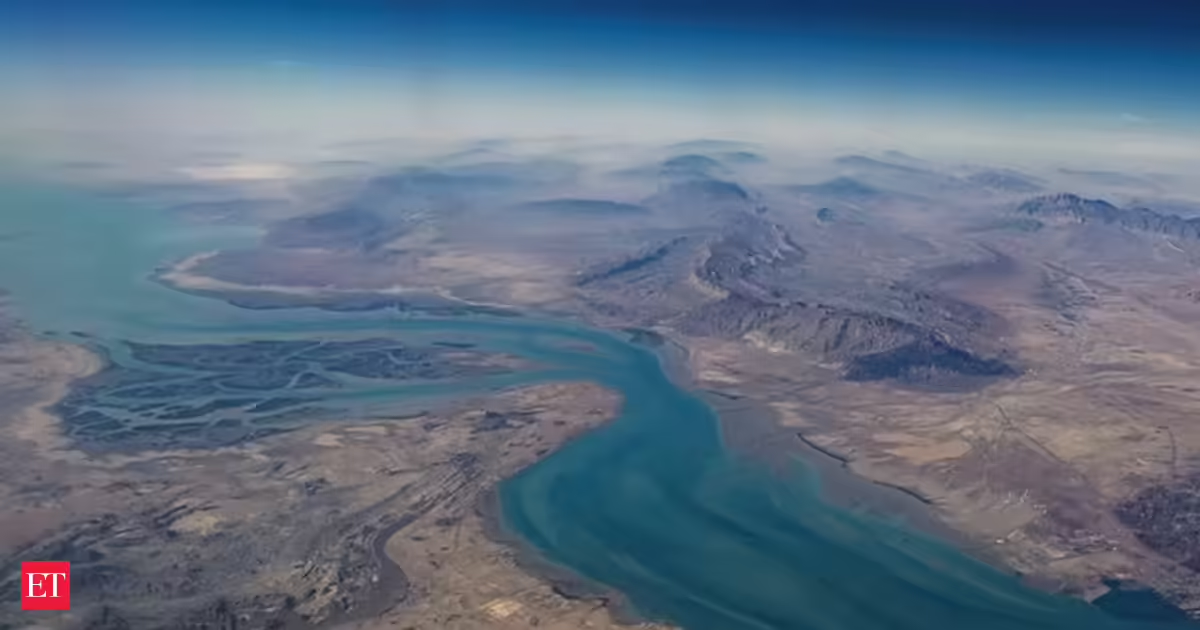
Iran is reportedly planning to increase its oversight of the Strait of Hormuz during the current two-week ceasefire. The proposal includes a system where oil tankers would pay transit fees in cryptocurrency and undergo detailed checks.
Hamid Hosseini, spokesperson for Iran’s Oil, Gas and Petrochemical Products Exporters’ Union, stated that authorities intend to monitor all vessels passing through the waterway. “Iran needs to monitor what enters and exits the strait to ensure the ceasefire period is not used to move weapons,” Hosseini said. He added that while passage will remain open, inspections may slow transit times.
Under the proposed plan, ships would email their cargo information to receive a transit fee assessment, reportedly set at $1 per barrel. Payments would then be made using digital currencies. Hosseini noted that after the review, vessels would have a limited time to pay in bitcoin, a method designed to prevent tracing or seizure under sanctions.
This proposal indicates Tehran’s effort to maintain influence over a critical oil route while ceasefire talks continue. Reports also suggest Iran is encouraging vessels to sail closer to its coast, causing concern among Western and Gulf-linked operators.
Access through the Strait of Hormuz has become a central issue in efforts to extend the temporary ceasefire. Iran is pushing for tighter control, while Gulf nations and Western allies are opposing the move. U.S. President Donald Trump has stated that the ceasefire depends on Iran ensuring the “complete, immediate, and safe” reopening of the strait. Iran, however, has indicated that any reopening would follow a new security protocol coordinated with its military.

The uncertainty has led to hundreds of ships being stranded in the region. Estimates suggest between 300 and 400 vessels are waiting to leave the Gulf, with one industry executive comparing the buildup to a “traffic jam at sea.” Major shipping companies remain cautious. Maersk stated it is urgently assessing the evolving situation but warned that the ceasefire has not yet guaranteed safe passage. Experts believe that even under regulated conditions, only 10 to 15 ships may pass through daily, a significant reduction from the usual average of around 135, meaning delays could continue.
Any move granting Iran greater control over the strait is considered unacceptable by Gulf countries like Saudi Arabia, Qatar, and the UAE, given the route’s importance to global oil supplies. Ali Shihabi, a commentator with close ties to Saudi leadership, said uninterrupted access to the waterway must remain the priority. With negotiations ongoing and tensions persisting, the Strait of Hormuz remains at the center of a complex standoff involving security, diplomacy, and global energy flows.