Devastating consequences of international conflicts and wars are well known. Recent conflicts, particularly Pakistan- Afghanistan skirmishes and Gaza strip devastation pose yet another risk of escalation of polio.
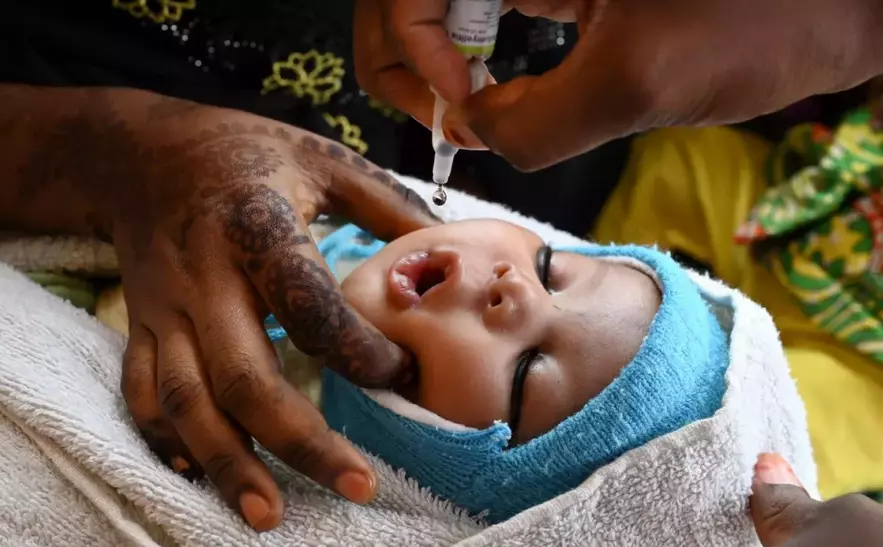
Presently not a single child in India gets polio related disability, while just 2 decades ago, nearly 3000 children developed polio disability every year. Credit goes to India’s successful Pulse Polio Immunization Program, which was launched in 1995. Under this program, around 17 crore children up to 5 years of age are administered polio vaccine on each national immunization day. After nearly 20 years of persistent efforts of public health professionals and workers, WHO declared India free of polio in 2014. Presently, all countries of the globe with the exception of Pakistan and Afghanistan are free of polio.
Why the two countries failed to eliminate polio while all others succeeded? There is an interesting story behind this. In Pakistan, it is believed that a health worker during polio vaccination campaign, spotted Osama Bin Laden. She informed the authorities and Osama was killed. Now people of that region do not trust health workers and they do not let them visit their houses; they do not allow them to vaccinate their children. Furthermore, some workers including women workers were shot dead by terrorists while doing outreach. It is virtually impossible to carry out vaccination drive under such circumstances. Polio is a peculiar disease in the sense that each and every child in the country must get the vaccine simultaneously on every national immunization day if we have to eliminate this. And this is a big challenge.
If a child suffering from acute polio in Pakistan or Afghanistan sneaks into India and if his faeces get access to a water body, the risk of transmission of polio is high. Similarly, appearance of an acute polio case in resettlement areas of Gaza can cause havoc.
When combating polio during second half of the 20th century, Western countries focussed on two strategies – first, to ensure clean drinking water and access to septic latrines to their citizens and second, to vaccinate all children. Whereas we in India chose a short cut – we primarily relied on vaccination. We did not do much to improve our water supply and sanitation. Sewage waste from many cities and suburbs in our country directly drain into rivers or ponds. Our water bodies are mostly contaminated with faecal matter making it an ideal culture media for polio virus to multiply and grow. A single case of polio in the country can have devastating implications. All the efforts and money spent on vaccination drives all these years may go waste.
To prevent polio from surfacing again, it is important that the vaccination program is continued with the same rigour and effectiveness. Besides huge expenses, there is a worry that fatigue generally sets in in any system after some time. Second, polio surveillance system must be strengthened to identify a single case in case it happens. Public awareness is necessary for this. Third, it is of paramount importance to treat sewage waste before releasing it into a water body. We will need to build thousands of sewage treatment plants in the country requiring huge investment, but it’s long-term benefits will far exceed the investment.
The article is authored by Dr Hari Singh, Dean, School of Public Health, SRM Institute of Science and Technology; Dr Janmejaya Samal, Associate Professor, School of Public Health, SRM Institute of Science and Technology