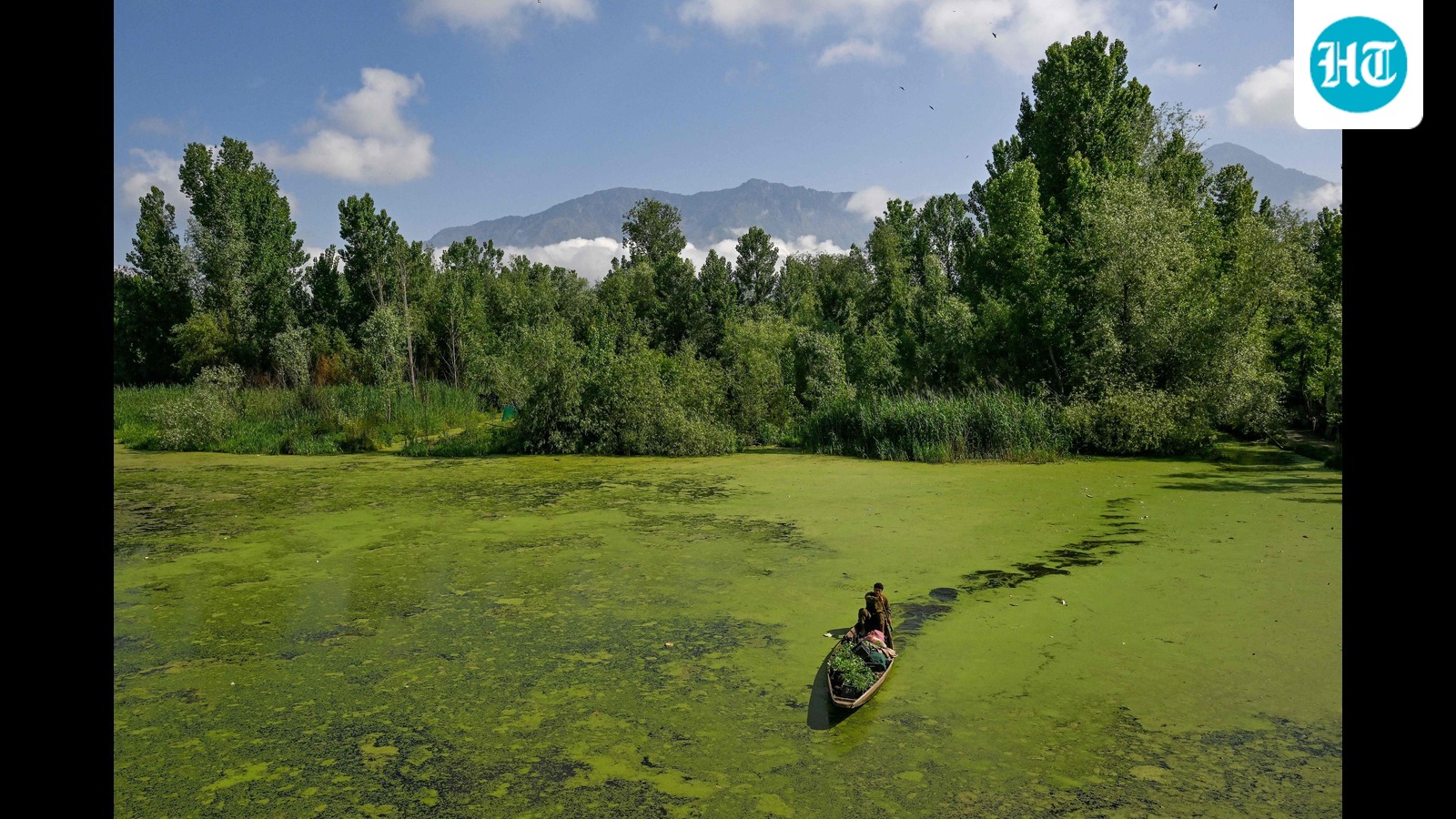
Jammu and Kashmir could experience warmer winters this year, extending the dry winter trends observed over the past few years due to the global El Niño effect, weather experts say.
The meteorological centre in Srinagar reported that temperatures during peak winter are likely to remain above normal.
Mukhtar Ahmad, director of the meteorological centre, stated that the region may witness a mild winter influenced by El Niño conditions, which are projected to persist until early 2027.
“The winters in the last three years were declared by weather organisations and experts as El Niño affected. Three-four winters in the past few years were largely mild. The indications are that this winter is also El Niño and the trend may sustain more or less,” Ahmad said, adding that while the phenomenon increases global temperatures, isolated major western disturbances could still bring substantial spells of snowfall.
However, experts noted that consecutive years of deficient snowfall during Chilla-i-Kalan Kashmir’s 40-day harshest winter period starting December 21, have severely impacted water systems. Below-normal accumulation during peak months, coupled with delayed precipitation in late February or March, fails to sustain water resources effectively through the summer months.
Meteorological data indicates that minimum temperatures in the plains, which typically drop to minus 5 or 6 degrees Celsius, may hover around minus 3 to 4 degrees Celsius, with similar warming trends expected across hill stations.
Climatological indicators point towards largely dry weather through September, with western disturbances—moisture-laden winds originating from the Mediterranean expected to increase only gradually in the subsequent months.