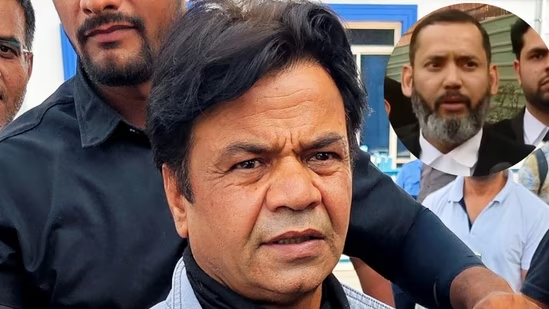
The Delhi High Court on Thursday reserved its judgment in the cheque bounce case against actor Rajpal Yadav, with the judge expressing concern over inconsistencies between Yadav’s statements and submissions made by his counsel on a possible settlement.
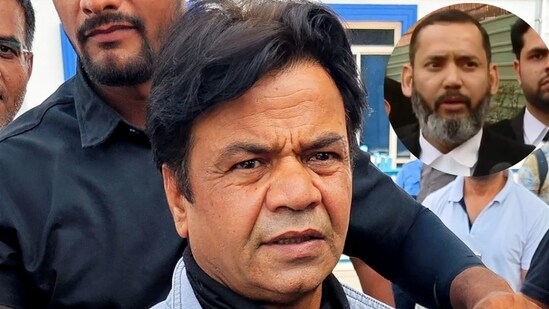
On the matter, Rajpal’s current counsel Bhaskar Upadhyay tells us, “The previous counsel in this case filed a petition jis mein factually correct rakha nahin in front of the court. Now, the court’s concern is that ‘aap ke purane vakil was saying something else and now you guys are saying something else.’ So we presented that petitioners shouldn’t get punished for the lawyers’ mistake.”
He adds, “Court ne baat karane ki bhi koshish ki, saying, ‘aap paisen de de and mamla suljha le’. Then I had a discussion with Rajpal ji and his concern was that, ‘Humari opportunities ko bandh na kiya jaye, paise badi cheez nahin hain. They are asking for ₹11 crore against ₹5 crore along with jail terms; what about our losses mounting to ₹17 crore because of the film in question?’ Agar case reserve hain, toh it’s up to the court when they give a decision.”
Earlrer in however, in a visibly emotional submission, Rajpal opposed the proposal, stating that he had already suffered severe financial setbacks. Appearing virtually, he told the court that he had been compelled to sell five flats and had already paid a substantial amount. He stated, “I am not emotional… send me to jail five more times.”
Reportedly, appearing for the complainant company, advocate Avneet Singh Sikka submitted that the actor had already accepted his conviction and could not now evade liability. He highlighted that a revision petition filed in 2024 was accompanied by an unexplained delay of 1894 days and lacked sufficient grounds for condonation. He further argued that completing the sentence does not absolve the accused of financial obligations. Sikka also stressed that despite repeated assurances, the dues remained unpaid, leaving the complainant with no option but to initiate proceedings under Section 138 of the Negotiable Instruments Act.
The case stems from a 2010 loan taken for Rajpal’s directorial debut, Ata Pata Laapata (2012), which he has repeatedly failed to repay over the years.