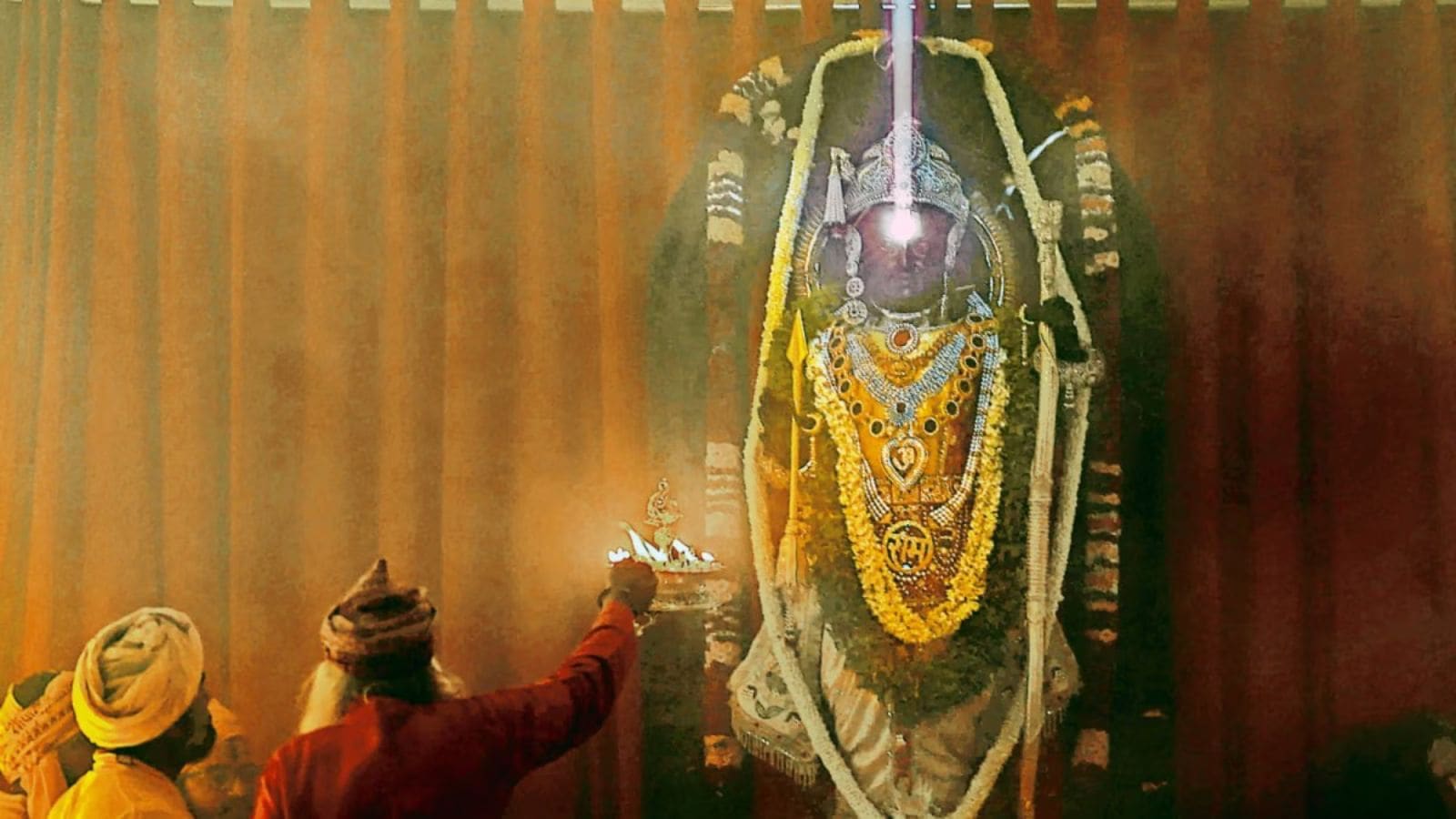
Ram Navami will be observed on Thursday, March 26, 2026 in India. However, because the Navami Tithi (the 9th lunar day) extends over two calendar days, some traditions and regions will also celebrate on Friday, March 27, 2026. Several announcements have been made across the country ahead of Ram Navami, from holidays and Parliament schedule changes to official messages and local restrictions, as preparations for the festival pick up.
President Droupadi Murmu, in her message on the eve of the festival, urged people to follow the values of Lord Ram, including truth, duty and justice. She called on citizens to take inspiration from his life and work towards serving the nation with sincerity in their actions and thoughts.

“On Ram Navami, we commemorate the birth of Lord Shri Ram. On this holy occasion, which coincides with the auspicious month’s Navami Tithi, I send my warmest greetings to everyone. The opening of the Ram Darbar for devotees, the hoisting of the holy flag atop the temple, the consecration (Pran Pratishtha) of the divine idol of Ram Lalla, and the Bhoomi Pujan of the Shri Ram Janmabhoomi Temple are all significant events that symbolize the resurgence of our history and culture”, she said.
Parliament to stay closed despite being planned earlier
The Parliament will also not meet over the weekend as earlier planned. The decision was revised after members suggested avoiding weekend sittings. Parliament will also remain closed on March 26 for Ram Navami and March 31 for Mahavir Jayanti, while the session will now continue till April 2 as per schedule.
In the Lok Sabha, Union Minister of Parliamentary Affairs Kiren Rijiju declared that Thursday would be a holiday, Friday would be used for government business, private members bills, which are scheduled for Fridays, will be adjusted at a later time, Saturday and Sunday would be holidays, Mahavir Jayanti on March 31 would be a holiday, and the remainder of the session would go according to schedule.
Bank Holiday March 2026: Ram Navami holiday in several states
Reserve Bank of India has marked bank holiday for Ram Navami on both the 26th and 27th of the March on its official website. On March 26, bank holidays are observed across Gujarat, Mizoram, Maharashtra, Punjab, Uttarakhand, Rajasthan, Uttar Pradesh, West Bengal, Jharkhand, and Himachal Pradesh. On March 27, holidays are marked in Madhya Pradesh, Odisha, Sikkim, Telangana, Andhra Pradesh, Rajasthan, Uttar Pradesh, Maharashtra, and Bihar.

UP extends Ram Navami holiday till 27 March
The Uttar Pradesh government has declared an additional public holiday on March 27, extending the break beyond March 26 due to the expected rush of devotees in temples. The move is aimed at managing crowds better and ensuring smooth celebrations across the state.
Story continues below this ad
“The decision has been taken keeping in mind the growing number of devotees visiting temples during the festival and to ensure their convenience”, according to an official statement.
Parliament to stay closed despite being planned earlier
The Parliament will also not meet over the weekend as earlier planned. The decision was revised after members suggested avoiding weekend sittings. Parliament will also remain closed on March 26 for Ram Navami and March 31 for Mahavir Jayanti, while the session will now continue till April 2 as per schedule.
In the Lok Sabha, Union Minister of Parliamentary Affairs Kiren Rijiju declared that Thursday would be a holiday, Friday would be used for government business, private members bills, which are scheduled for Fridays, will be adjusted at a later time, Saturday and Sunday would be holidays, Mahavir Jayanti on March 31 would be a holiday, and the remainder of the session would go according to schedule.
Slaughterhouses closed in Nashik and Malegaon
At the local level, civic authorities in Maharashtra’s Nashik and Malegaon have ordered the closure of slaughterhouses on Ram Navami. In Malegaon, restrictions also extend to meat shops and hotels selling meat for the day, with officials saying the step is meant to maintain public order and harmony.