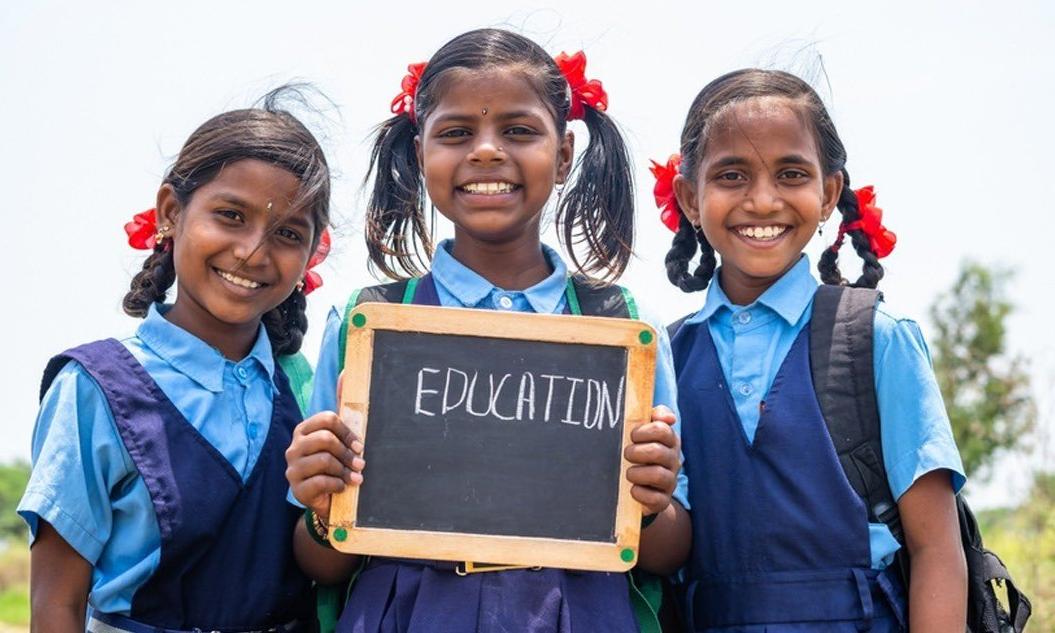

The National Girl Child Day 2026 is being observed on January 24 every year, highlighting the country’s commitment to supporting, uplifting, and empowering girls across all sections of society. It was in 2008 that the concept of National Girl Child Day was launched by the Ministry of Women and Child Development, and the observance continues to serve as a powerful platform to highlight the rights of girl children and the challenges they still face.
The main focus of the National Girl Child Day is to highlight some of the major issues like gender bias, female foeticide, child marriage, poor nutrition, health disparities, and limited access to education. Despite the claims of improving social and health indices, girl children in many parts of the country still face discrimination and strive to get equal opportunities in various fields including academics, science and technology, sports, defence services, and leadership roles.
Observance of National Girl Child Day reiterates a core national message: every girl has the right to be born, to live with dignity, to receive education, and to lead with confidence. The day underscores India’s broader goal of achieving gender equality and ensuring the holistic development of its daughters.
Across the country, schools, colleges, government bodies, and non-governmental organisations are expected to organise awareness rallies, educational workshops, debates, and community programmes. Felicitation ceremonies honouring girl achievers in sports, STEM, academics, and social leadership aim to inspire young girls and shift community perceptions.
Some of the major government initiatives for girl children include Beti Bachao, Beti Padhao, Sukanya Samriddhi Yojana, Balika Samriddhi Yojana, Kasturba Gandhi Balika Vidyalaya, CBSE Udaan Scheme, in addition to the various state government-led schemes. All these programmes focus on improving girls’ education, providing them financial assistance through scholarships, health and wellbeing and also creating awareness about child marriage and gender-based violence. Educational sessions on legal rights, digital literacy, and career guidance form a key part of the nationwide activities.
The day also draws attention to the importance of girls’ health, particularly during adolescence. Health experts emphasise that addressing issues such as undernutrition and anaemia can significantly improve educational outcomes and long-term economic potential, creating positive intergenerational impact.
As India marks National Girl Child Day 2026, the observance stands as a reminder that empowering girls is not just a social responsibility but a national priority—essential for building an inclusive, progressive, and sustainable future.