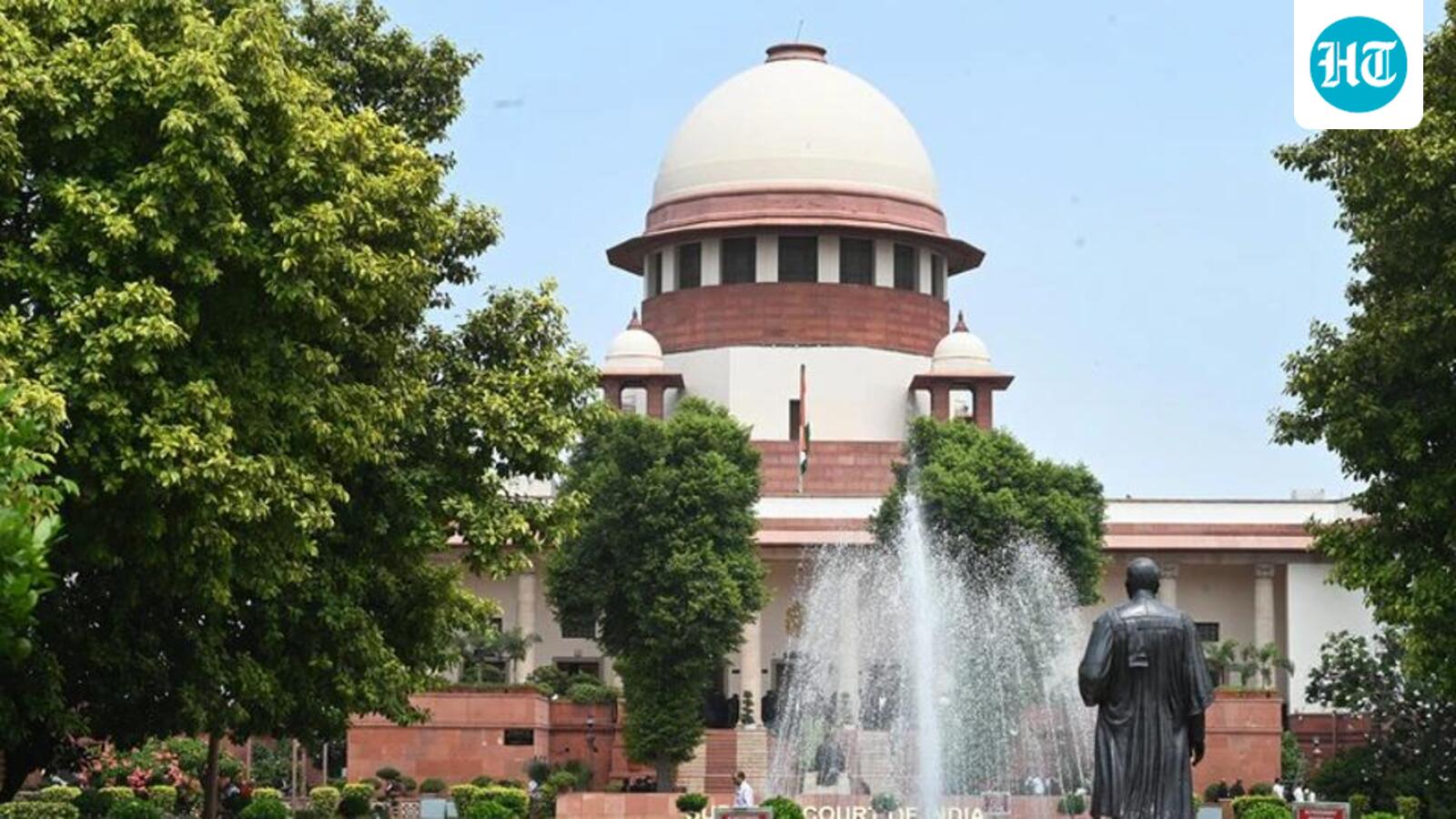
The Supreme Court has extended the interim bail granted to two accused in the 2020 Delhi riots conspiracy case, Tasleem Ahmed and Abdul Khalid Saifi, by three months, giving them relief from having to surrender as the larger bench considers the legal position on bail under the Unlawful Activities (Prevention) Act (UAPA).
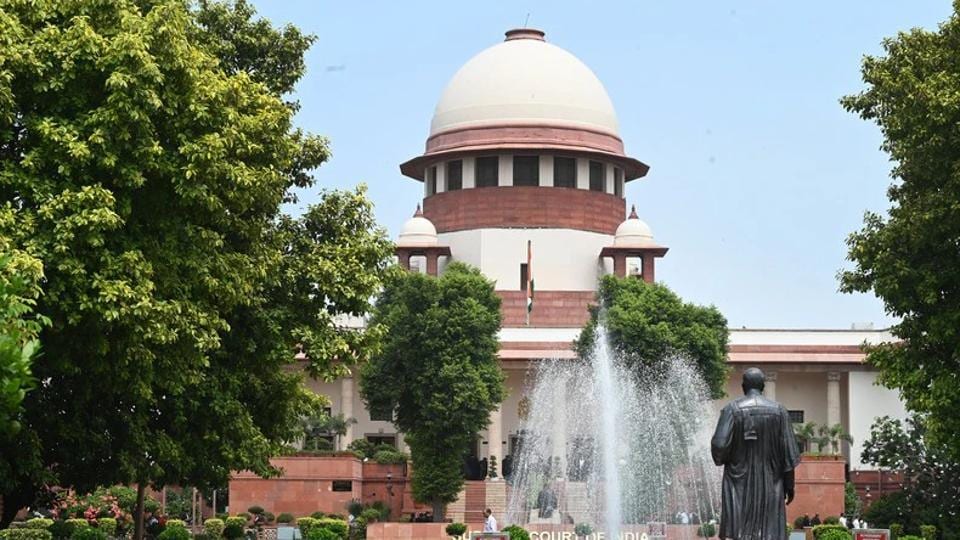
A bench of justices Aravind Kumar and Vipul M Pancholi granted the extension to Ahmed on Friday. Saifi was granted similar relief by the same bench on November 25. The two had approached the court seeking an extension of the six-month interim bail granted to them on May 22. The period was due to expire on November 25, after which they would have had to surrender.
“The application is allowed and interim bail granted earlier stands extended by three months with effect from November 25, 2026,” the court said in its order on Friday.
Both are facing charges under the UAPA in the conspiracy case linked to the Delhi riots.
On May 22, while granting them interim bail, the Supreme Court had observed that the issue of granting bail under the UAPA required consideration by a larger bench in view of a contrary ruling by another bench of the top court on whether delay in trial could be a ground for granting bail.
In their applications, Ahmed and Saifi said that they had been released from jail on May 25 and that their six-month interim bail period had expired, while the larger bench was yet to be constituted. In September 2025, the Delhi high court had rejected their bail pleas, prompting them to approach the Supreme Court.
The trial in the Delhi riots conspiracy case involves 18 accused. Of these, five — Gulfisha Fatima, Meeran Haider, Shifa Ur Rehman, Mohammad Saleem Khan and Shadab Ahmed — were granted bail by the Supreme Court on January 5. In the same order, the court rejected the bail pleas of former JNU scholar Umar Khalid and student activist Sharjeel Imam.
Ahmed and Saifi had relied on the January 5 order to seek bail. However, while considering their pleas, the Delhi Police drew the court’s attention to a May 18 order passed by another Supreme Court bench, which had expressed reservations about the January 5 ruling denying bail to Khalid and Imam.
The bench hearing Ahmed and Saifi’s pleas referred to the May 18 judgment in the case of Syed Iftikhar Andrabi, an accused in a separate UAPA case. It directed that the matter be placed before the Chief Justice of India (CJI) to reconcile the two rulings on the interpretation of Section 43D(5) of the UAPA. The provision imposes stringent restrictions on bail, requiring courts to assess whether the allegations against an accused are prima facie true before granting relief.
The May 18 judgment had expressed reservations about the January 5 ruling, stating: “We have serious reservations on various aspects of the judgment…including foreclosing the right of the two appellants [Khalid and Imam] to seek bail for a period of one year.”
It also questioned the January 5 judgment’s interpretation of a 2021 three-judge bench ruling in the KA Najeeb case, which had deprecated prolonged pre-trial detention. The Andrabi judgment held that the three-judge bench ruling was binding on all courts, including benches of lesser strength in the Supreme Court.
Khalid and Imam have since filed separate petitions seeking bail. The Supreme Court admitted their pleas this week and issued notice to the Delhi Police, seeking its response. Their petitions are scheduled to be heard by a three-judge bench on December 14, along with the main matter concerning the interpretation of bail provisions under the UAPA.