3 min readNew DelhiUpdated: Apr 23, 2026 03:13 PM IST
Written by Paramita Datta

Union Minister of Environment, Forest and Climate Change, Bhupendra Yadav Wednesday expressed his delight at the recognition of Uttar Pradesh’s Shekha Jheel Bird Sanctuary as another Ramsar site.
The addition brings India relatively closer to a landmark achievement, as the total number of its wetlands recognized internationally now stands at 99. Uttar Pradesh has also emerged as the leading state in India for Ramsar-designated wetlands, now boasting 12 such sites.
Taking to X (formerly Twitter), Yadav wrote: “Uttar Pradesh takes the score to 99! Delighted to announce the designation of Shekha Jheel Bird Sanctuary (Aligarh, Uttar Pradesh) as a Ramsar site”.
Uttar Pradesh takes the score to 99!
Delighted to announce the designation of Shekha Jheel Bird Sanctuary (Aligarh, Uttar Pradesh) as a Ramsar site. This announcement brings a boost for local livelihoods and global biodiversity, along with water and climate security.
This… pic.twitter.com/hcGI1ZfIv4
— Bhupender Yadav (@byadavbjp) April 22, 2026
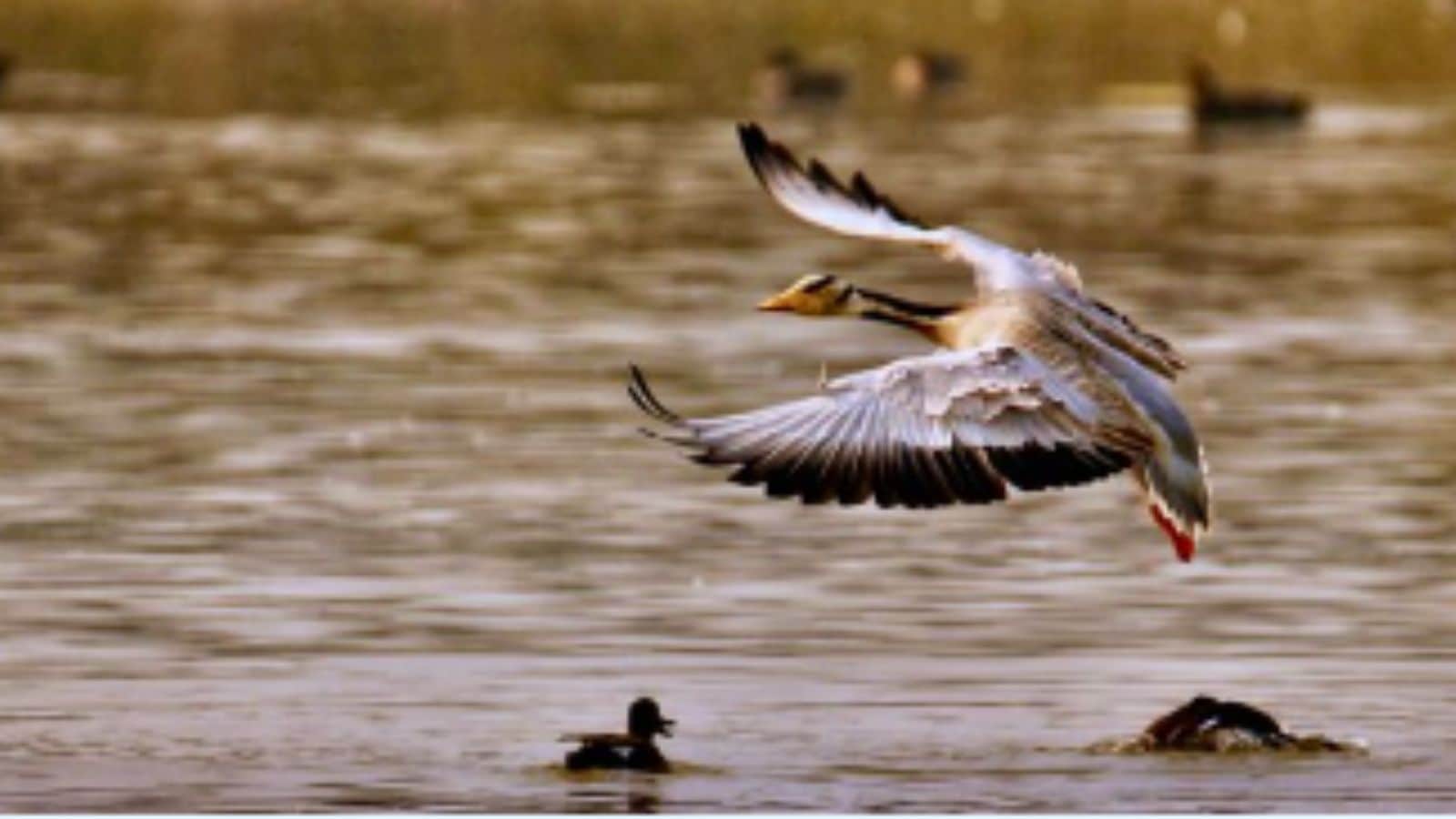
Calling it a “crucial stopover on the Central Asian Flyway, Yadav said the wetland provided a “vital habitat for migratory birds such as the Bar-headed Goose, Painted Stork, and various ducks during the winter season.”
Yadav, through his post, hailed Prime Minister Narendra Modi for leading the country’s ecosystem restoration mission and focusing on the conservation of wetlands and natural habitats of animals and birds. He also urged people to visit the site.
Located in the Aligarh district, Shekha Jheel supports a wide range of migratory and resident bird species, with its location serving as a key route for birds travelling between Siberia and the Indian subcontinent.
Yadav added that the development will help boost local livelihoods and global biodiversity.
Story continues below this ad
What are Ramsar sites?
Ramsar sites are wetlands, recognized globally on the List of Wetlands of International Importance.
Under the Ramsar Convention, an international treaty established in 1971, the primary goal of the sites is to promote the conservation and responsible use of wetlands across the globe.
A wetland earns the Ramsar status after meeting certain global criteria. Initially, the Convention looks at whether a wetland is rare, unique or a good example of its type.
The other eight criteria focus on how well the site supports wildlife and biodiversity, according to the UNESCO World Heritage Convention.
Story continues below this ad
Importance of Ramsar sites
The United Nations Environment Programme considers wetlands among the most productive ecosystems on Earth, as they play a crucial role in maintaining ecological balance by controlling flooding, replenishing groundwater and storing carbon.
(The author is an intern with The Indian Express)