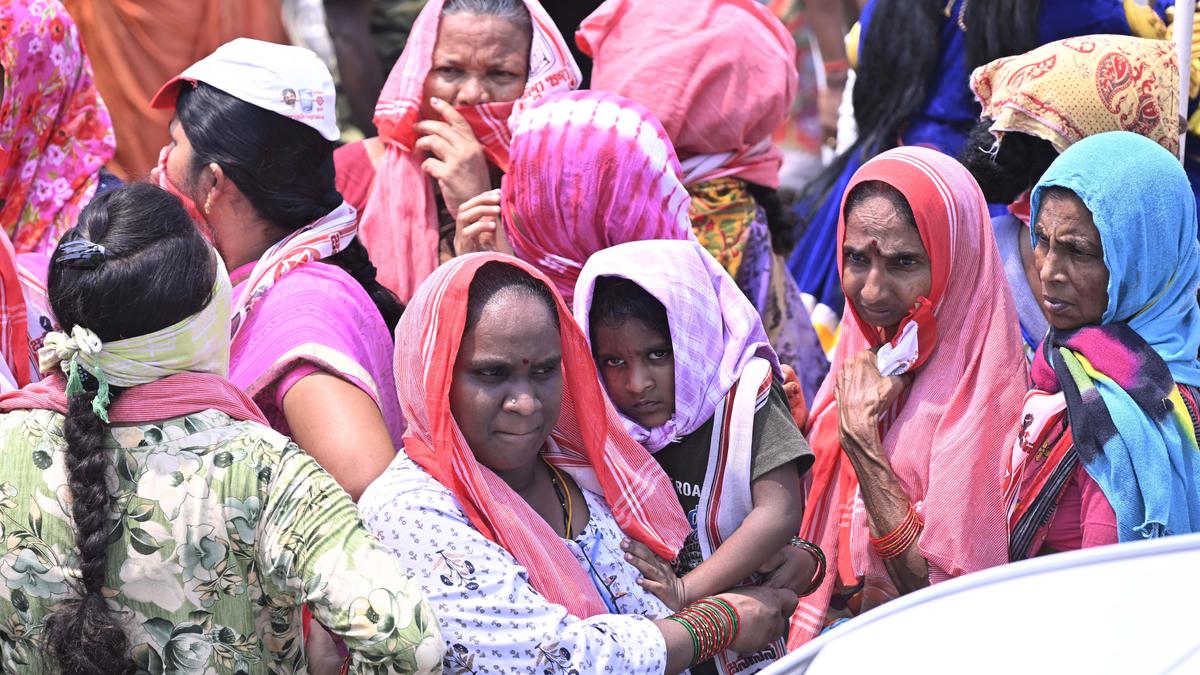
Women in districts facing extreme heat experience both unique and amplified health risks due to rising temperatures, reporting a range of physical, mental, and financial effects that impede their quality of life, according to a new study covering seven States.
Of the women surveyed in high heat vulnerability index (HVI) districts, 70% report symptoms such as fatigue, dizziness, dehydration, and gastrointestinal discomfort during peak heat months. The study, conducted by the M.S. Swaminathan Research Foundation (MSSRF) in Chennai, focussed on the gender-specific impact of heat stress, in order to evolve health preparedness strategies. Women who were poor, from rural areas or lower castes, and involved in informal work reported markedly higher physical symptoms, reproductive and menstrual problems, mental distress, violence, wage loss, and care barriers.

Physical, social, economic harm
These symptoms were reported mostly among women in the 20-45 years age category in high HVI districts compared to those in medium (28%) and low HVI districts (24%). Reproductive and menstrual health issues including urinary tract infections, irregular bleeding, and cycle disruptions were widely reported, but hardly anyone sought treatment for it. Nearly all respondents (97%) reported wage losses exceeding ₹1,500 during the summer months of April, May, and June.
The psychosocial impacts of heat were also reportedly profound. Women spoke of heightened anxiety, anger, and restlessness during peak heat periods, often worsened by overcrowded homes, frequent power outages, and the constant physical burden of unpaid domestic labour. Women reported experiencing higher irritability or short temper (41%), heightened anxiety or stress levels (33%), and sleep disruptions, insomnia, or sleep pattern changes (32%). Additionally, 38% reported having experienced violence at least once in their lifetime and 72% reported higher levels of violence during the April to June period, suggesting a strong association between extreme heat, economic stress, and household tensions.

Gendered impact
MSSRF chairperson Soumya Swaminathan, who was also part of the study group, says in the report: “Gender-specific research on heat stress remains sparse, and women’s experiences are often missing from climate policies and health preparedness strategies. This report sheds critical light on how extreme heat affects women’s physical and mental health, their productivity and livelihoods, and their ability to access healthcare.”
Priyadarshini Rajamani, who was part of the study group, says secondary National Family Health Survey data was overlaid on a heat map from the Indian Meterological department, based on a vulnerability index constructed using statistical data. The seven States chosen for the study were Rajasthan, Gujarat, Maharashtra, Bihar, Odisha, Telengana, and Tamil Nadu, and the districts chosen exhibited high, low, and medium HVI, she adds. Primary surveys were done with 3,300 women in these districts, along with focus group discussions with the women to complement the quantitative findings.
This results of this study layer on a previous scoping report that studied the broad impact of climate change on women and children. Dr. Swaminathan explains: “This study looks specifically at the gendered impact of heat. In the next phase, we plan to do a cross sectional study and a longitudinal study, next year, in four sites – two each in Tamil Nadu and Karnataka.” More research is required to generate data that can inform governments to gear up to meet extreme climate events that have come to stay, she says, including the enforcement of labour policies providing women access to water, toilets, and health care during the summer months.