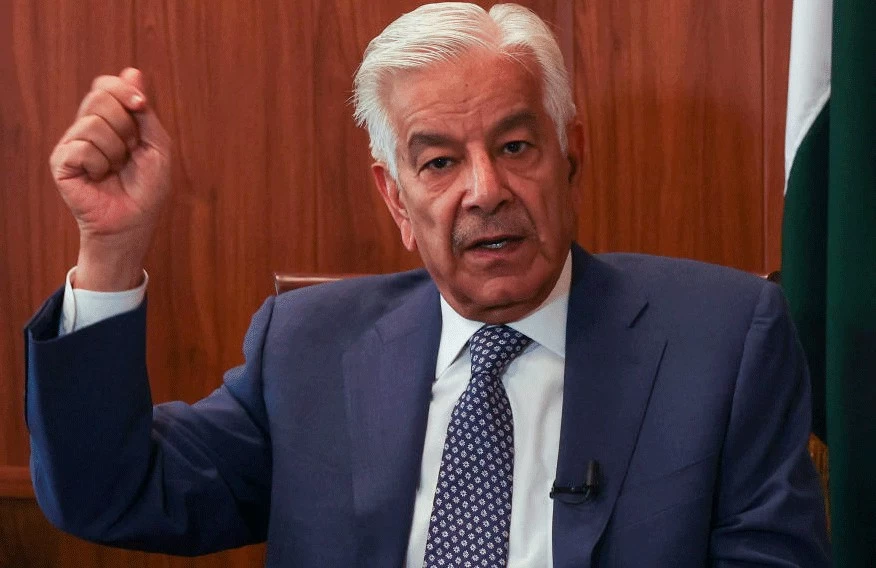

أكد وزير الدفاع الباكستاني خواجه محمد آصف أن أي اعتداء على السعودية من شأنه تفعيل بنود «اتفاق مكة» بين السعودية وباكستان وتركيا، مشدداً على أن الدول الثلاث ملتزمة بالرد في حال تعرض أي منها لاعتداء.
وقال آصف، في تصريحات للتلفزيون الباكستاني، إنه «لا ينبغي أن يكون هناك أي غموض» بشأن طبيعة الاتفاق، موضحاً أن أي اعتداء على إحدى الدول الثلاث يُعد اعتداءً عليها جميعاً، وأن باكستان ملتزمة بشروط الاتفاق وستفي بالتزاماتها إذا دعت الحاجة.
اتفاق دفاعي وليس هجومياً
وأوضح وزير الدفاع الباكستاني أن الاتفاق لا يهدف إلى شن هجمات على دول أخرى، وإنما يقوم على مبدأ الدفاع المشترك والرد على أي عدوان تتعرض له إحدى الدول الأعضاء. وقال إن الدول الثلاث لن تبادر إلى مهاجمة أي طرف، لكن «إذا وقع عدوان على إحدى الدول الأعضاء، فسترد الدول الثلاث».
وجاءت تصريحات آصف في أعقاب الهجمات التي شنها الحوثيون على مدن ومنشآت وأعيان مدنية واقتصادية في السعودية، وأسفرت عن إصابة 73 مدنياً، بحسب السلطات السعودية.
تحذير من توسيع الصراع
وحذر آصف من نقل الصراع الدائر في اليمن إلى الأراضي السعودية، مؤكداً أن استمرار الهجمات خارج اليمن يمكن أن يؤدي إلى تفعيل بنود الاتفاق المتعلقة بمواجهة العدوان. كما شدد على أن بلاده تأمل في تهدئة الأوضاع ومنع اتساع نطاق المواجهة في المنطقة.
وكانت السعودية وباكستان وتركيا قد وقعت في مكة المكرمة في أغسطس الماضي اتفاقاً للدفاع المشترك، ينص على اعتبار أي هجوم مسلح على إحدى الدول الثلاث هجوماً عليها جميعاً، وعقدت الدول الثلاث لاحقاً أول اجتماع للجنة السياسية والإستراتيجية والدفاعية المكلفة بتنفيذ الاتفاق.
The Pakistani Defense Minister Khawaja Muhammad Asif confirmed that any aggression against Saudi Arabia would activate the provisions of the “Makkah Agreement” between Saudi Arabia, Pakistan, and Turkey, emphasizing that the three countries are committed to responding if any of them is attacked.
Asif stated in remarks to Pakistani television that “there should be no ambiguity” regarding the nature of the agreement, explaining that any aggression against one of the three countries is considered aggression against all of them, and that Pakistan is committed to the terms of the agreement and will fulfill its obligations if necessary.
A Defensive, Not Offensive Agreement
The Pakistani Defense Minister clarified that the agreement is not aimed at launching attacks on other countries, but is based on the principle of mutual defense and responding to any aggression faced by one of the member states. He stated that the three countries will not initiate an attack on any party, but “if aggression occurs against one of the member states, the three countries will respond.”
Asif’s remarks came in the wake of the attacks launched by the Houthis on cities, facilities, and civilian and economic targets in Saudi Arabia, which resulted in the injury of 73 civilians, according to Saudi authorities.
Warning Against Expanding the Conflict
Asif warned against transferring the ongoing conflict in Yemen to Saudi territory, stressing that the continuation of attacks outside Yemen could lead to the activation of the agreement’s provisions related to confronting aggression. He also emphasized that his country hopes to calm the situation and prevent the escalation of confrontation in the region.
Saudi Arabia, Pakistan, and Turkey signed a joint defense agreement in Makkah in August, which stipulates that any armed attack on one of the three countries is considered an attack on all of them, and the three countries subsequently held the first meeting of the political, strategic, and defense committee tasked with implementing the agreement.