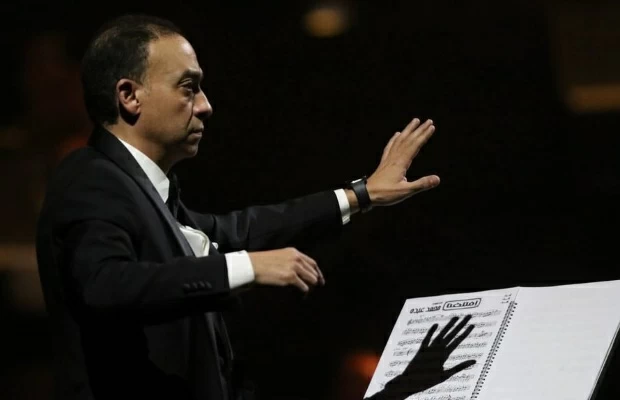

وجد رئيس دار الأوبرا المصرية الدكتور رضا الوكيل نفسه في مواجهة انتقادات لاذعة، بعدما خلع عباءة الإدارة المحترفة وتورط في تصريحات سطحية -بحسب كبار الموسيقيين المصريين- وتبريرات واهية لغياب كبار نجوم الغناء عن مهرجان الموسيقى العربية، فاتحًا على نفسه جبهة نقد من موسيقيين وفنانين رفضوا تحميل الآخرين تبعات إخفاق الإدارة. ووجّه كل من الدكتور وليد فايد والدكتور أمير عبدالمجيد، والمايسترو هاني فرحات، سهام النقد إلى تصريحاته، معتبرين أن التلميحات بحق الدول الداعمة للفن العربي والتذرع بضيق الميزانية يتجاهلان قيمة النجوم ومكانة المهرجان، ويصرفان الأنظار عن مساءلة إدارته وبرنامجه وآليات التعاقد مع الفنانين.
حيث وجّه الموسيقار وليد فايد انتقادات حادة إلى إدارة مهرجان الموسيقى العربية، رافضًا محاولة تبرير غياب بعض نجوم الفن العربي بتلميحات تمس المملكة العربية السعودية، ومؤكدًا أن البحث عن أسباب الغياب يجب أن يبدأ من إدارة المهرجان وبرنامجه وميزانيته وآليات التعاقد مع الفنانين.
وانتقد فايد التلميح إلى دولًا أخرىمستعرضًا إسهاماتها في الاحتفاء بالفن المصري وتكريم رموزه، وفتح مسارحها أمام الفنانين والموسيقيين المصريين والعرب. وشدد على أن الإخفاق الإداري داخل دار الأوبرا لا يبرر وضع العلاقات الفنية والثقافية بين البلدين في مواجهة.
وقال فايد عبر حساباته في مواقع التواصل الاجتماعي نصًا: «التلميح إلى أن غياب بعض نجوم الفن العربي عن مهرجان الموسيقى العربية سببه أن الدول الأخرى لديها أموال فهو كلام يحتاج إلى مراجعة دقيقة للوقائع قبل إطلاقه.
فالمملكة العربية السعودية لم تكن يومًا في مواجهة مع الفن المصري، بل كانت وما زالت واحدة من الدول التي احتفت بهذا الفن واحتضنت رموزه وخلّدت أسماء كبار مبدعيه.
فهل نسي البعض«ليلة عبد الوهاب» احتفاءً بإرث موسيقار الأجيال محمد عبد الوهاب، و«روائع بليغ حمدي» و «روائع السنباطي»
هذا تكريم مبدعين مصريين صنعوا جزءًا أساسيًا من وجدان الأمة العربية.
والأهم من ذلك أن المملكة لم تكتفِ بتكريم الأسماء الراحلة، بل فتحت أبوابها أمام الفنان والموسيقي المصري والعربي، وقدمت له مسارح ضخمة وجمهورًا عربيًا واسعًا وفرصًا فنية لم تكن متاحة بهذا الحجم من قبل.
لذلك، إذا أردنا أن نبحث عن أسباب غياب فنان أو نجم عن مهرجان، فلنبحث عنها في إدارة المهرجان وبرنامجه وميزانيته وآليات التعاقد معه، لا أن نلقي تلميحات تمس دولة شقيقة تحتفي بفننا أكثر مما يحتمل التصريح.
بدوره، انتقد الموسيقار الدكتور أمير عبدالمجيد التصريح عبر حسابه، معتبرًا أنه ينم عن جهل بقيمة الموسيقى العربية، وأن التذرع بالإفلاس المالي لتحييد كبار النجوم يتجاهل قيمتهم الفنية.
كما انتقد المايسترو هاني فرحات تصريحات رئيس دار الأوبرا المصرية الدكتور رضا الوكيل بشأن محدودية الميزانية المخصصة للدورة الـ34 من مهرجان ومؤتمر الموسيقى العربية، وعدم القدرة على استقطاب عدد أكبر من نجوم الغناء العرب، مؤكدًا أن الحديث عن الإمكانات المالية بهذه الطريقة لا يليق بقيمة الحدث وتاريخه، وقال فرحات: «تصريحات ليست فى محلها، وما يحزننى إن الشخص المسؤول بمنصب بحجم رئيس دار الأوبرا لا يكون مسؤولًا فى كلامه وحديثه»، منتقدًا طبيعة الكلام الذي يُطرح في مؤتمر صحفي عالمي.
The President of the Egyptian Opera House, Dr. Reda El-Wakeel, found himself facing harsh criticism after shedding the cloak of professional management and getting involved in superficial statements—according to senior Egyptian musicians—and weak justifications for the absence of major singing stars from the Arab Music Festival, opening himself up to a wave of criticism from musicians and artists who refused to hold others accountable for the management’s failures. Both Dr. Walid Fayed and Dr. Amir Abdel-Meguid, along with Maestro Hani Farhat, directed sharp criticism at his statements, considering that the hints regarding the countries supporting Arab art and the excuse of a tight budget overlook the value of the stars and the status of the festival, diverting attention from questioning the management, its program, and the mechanisms for contracting with artists.
Musician Walid Fayed directed harsh criticisms at the management of the Arab Music Festival, rejecting the attempt to justify the absence of some Arab art stars with hints that touch on the Kingdom of Saudi Arabia, emphasizing that the search for reasons for absence should start from the festival’s management, its program, budget, and the mechanisms for contracting with artists.
Fayed criticized the insinuation towards other countries, showcasing their contributions to celebrating Egyptian art and honoring its symbols, and opening their theaters to Egyptian and Arab artists and musicians. He stressed that the administrative failure within the Opera House does not justify placing the artistic and cultural relations between the two countries in opposition.
Fayed stated on his social media accounts: “The hint that the absence of some Arab art stars from the Arab Music Festival is due to other countries having money is a statement that needs a careful review of the facts before being made.
The Kingdom of Saudi Arabia has never been in opposition to Egyptian art; rather, it has been and continues to be one of the countries that celebrate this art and embrace its symbols, immortalizing the names of its great creators.
Did some forget the ‘Abdel Wahab Night’ celebrating the legacy of the musician of generations, Mohamed Abdel Wahab, and the ‘Masterpieces of Baligh Hamdi’ and ‘Masterpieces of El-Sonbaty’?
This is an honoring of Egyptian creators who have formed an essential part of the Arab nation’s conscience.
More importantly, the Kingdom did not stop at honoring the departed names but opened its doors to the Egyptian and Arab artist and musician, providing them with grand theaters, a wide Arab audience, and artistic opportunities that were not available at this scale before.
Therefore, if we want to search for the reasons behind an artist or star’s absence from a festival, let us look for them in the festival’s management, its program, budget, and contracting mechanisms, rather than throwing hints that touch upon a brotherly country that celebrates our art more than the statement can bear.
For his part, musician Dr. Amir Abdel-Meguid criticized the statement on his account, considering it indicative of ignorance of the value of Arab music, and that the excuse of financial bankruptcy to sideline major stars ignores their artistic value.
Maestro Hani Farhat also criticized the statements of the President of the Egyptian Opera House, Dr. Reda El-Wakeel, regarding the limited budget allocated for the 34th session of the Arab Music Festival and Conference, and the inability to attract a larger number of Arab singing stars, affirming that discussing financial capabilities in this manner is not befitting the value and history of the event. Farhat said: “These statements are out of place, and what saddens me is that a person in a position as significant as the President of the Opera House is not responsible in his words and statements,” criticizing the nature of the discourse presented at a global press conference.