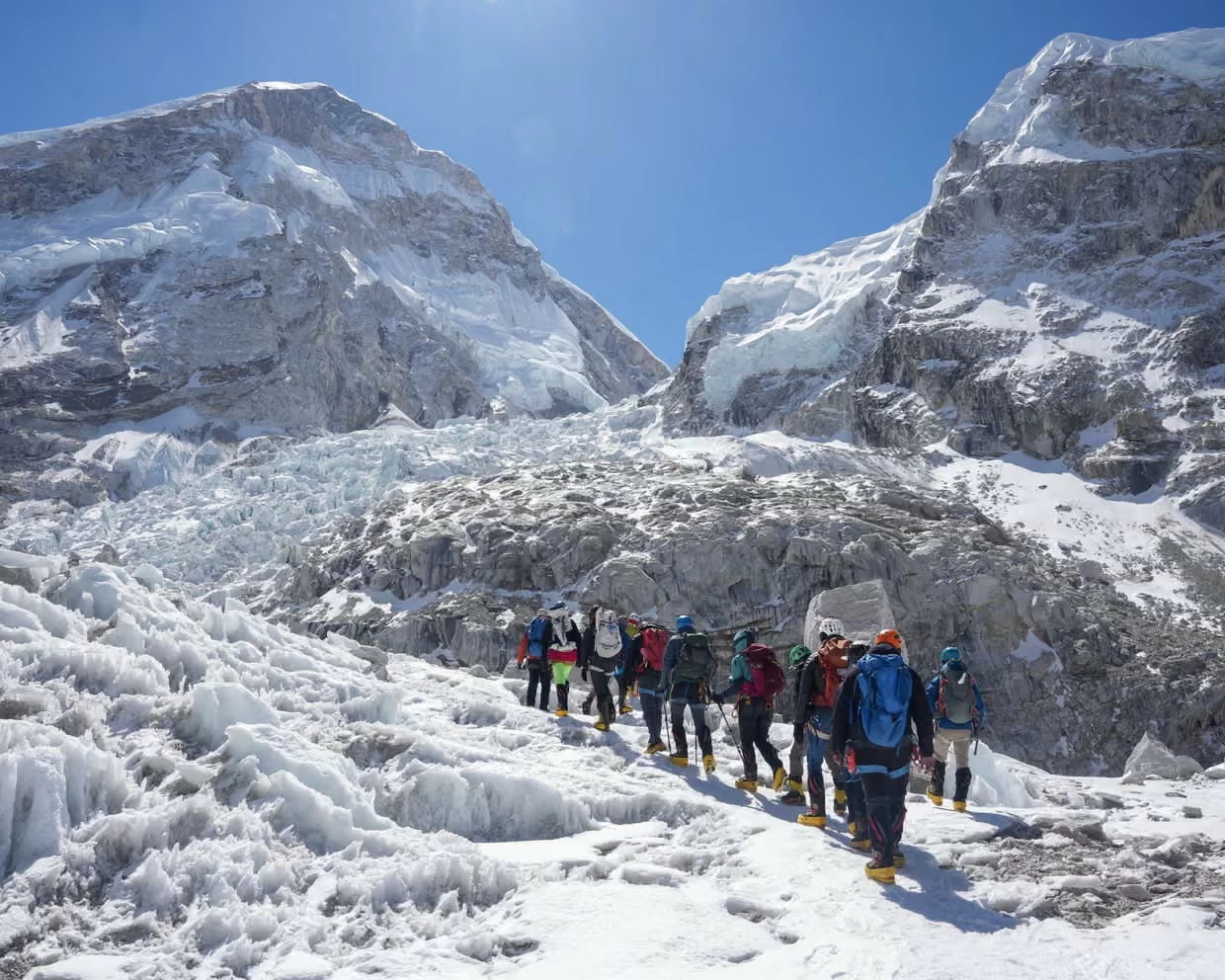

تسببت كتلة جليدية ضخمة في تعطيل خطط مئات المتسلقين والمرشدين المحليين الساعين لبلوغ قمة جبل إيفرست، بعدما شكّلت خطرًا كبيرًا على الطريق الرئيسي فوق المخيم الأساسي.
وأفاد مسؤولون في وزارة السياحة النيبالية بأن ما يُعرف بـ«السيراك» – وهو كتلة جليدية ضخمة – بين المخيم الأساسي والمعسكر الأول أصبح غير مستقر، ما يزيد من احتمالات الانهيارات ويعرّض حياة المتسلقين للخطر.
تقييم مستمر وخيارات محدودة
وتعمل السلطات بالتعاون مع منظمي الرحلات والمتسلقين على تقييم الوضع، في وقت يترقب فيه الجميع عند المخيم الأساسي أي تطورات تسمح باستئناف الصعود.
ووفقًا للبيانات الرسمية، تم منح تصاريح لـ410 متسلقين أجانب خلال موسم الربيع، الذي ينتهي عادة بنهاية مايو، وهو الموسم الأكثر ازدحامًا لمحاولات تسلق الجبل.
مخاطر «شلال خومبو الجليدي»
الكتلة الجليدية تقع ضمن منطقة شلال خومبو الجليدي، وهي من أخطر مراحل التسلق، حيث تتحرك الأنهار الجليدية باستمرار، وتنتشر الشقوق العميقة والكتل الجليدية المعلقة التي قد تنهار في أي لحظة.
وأعلنت لجنة مكافحة التلوث في ساغارماثا، أنها تعتزم استخدام مسح جوي لتقييم الوضع، في ظل ارتفاع خطر الانهيارات الثلجية، مع انتظار ذوبان الكتلة الجليدية إلى مستوى أكثر أمانًا.
ذكريات مأساوية تعود للواجهة
وتعيد هذه التطورات إلى الأذهان كارثة عام 2014، حين انهار جزء من النهر الجليدي متسببًا في مقتل 16 مرشدًا من الشيربا، في واحدة من أسوأ الحوادث بتاريخ تسلق إيفرست.
ترقب نافذة الطقس المناسبة
ومن المتوقع أن يحاول مئات المتسلقين، إلى جانب عدد مماثل من المرشدين النيباليين، الوصول إلى القمة خلال الأسابيع القادمة، مستفيدين من فترات قصيرة من الطقس الملائم.
يُذكر أن أول صعود ناجح إلى قمة إيفرست كان في 29 مايو 1953، على يد المرشد النيبالي تنزينغ نورغاي والنيوزيلندي إدموند هيلاري، ومنذ ذلك الحين نجح آلاف الأشخاص في بلوغ القمة التي يبلغ ارتفاعها 8,849 مترًا.
A massive ice block has disrupted the plans of hundreds of climbers and local guides seeking to reach the summit of Mount Everest, as it posed a significant danger on the main route above the base camp.
Officials from the Nepalese Ministry of Tourism reported that what is known as the “serac” – a massive ice block – between the base camp and the first camp has become unstable, increasing the likelihood of avalanches and putting climbers’ lives at risk.
Ongoing Assessment and Limited Options
The authorities are working in collaboration with tour operators and climbers to assess the situation, as everyone at the base camp awaits any developments that would allow for the resumption of climbing.
According to official data, permits have been granted to 410 foreign climbers during the spring season, which typically ends in late May, making it the busiest season for attempts to climb the mountain.
Risks of the “Khumbu Icefall”
The ice block is located within the Khumbu Icefall area, which is one of the most dangerous stages of the climb, where glaciers are constantly moving, and deep crevasses and hanging ice blocks that could collapse at any moment are prevalent.
The Sagarmatha Pollution Control Committee announced that it intends to use aerial surveys to assess the situation, amid rising avalanche risks, while waiting for the ice block to melt to a safer level.
Tragic Memories Resurface
These developments bring to mind the disaster of 2014, when part of the glacier collapsed, resulting in the deaths of 16 Sherpa guides in one of the worst incidents in Everest climbing history.
Awaiting the Right Weather Window
Hundreds of climbers, along with a similar number of Nepali guides, are expected to attempt to reach the summit in the coming weeks, taking advantage of brief periods of favorable weather.
It is worth noting that the first successful ascent to the summit of Everest was on May 29, 1953, by Nepali guide Tenzing Norgay and New Zealander Edmund Hillary, and since then, thousands of people have succeeded in reaching the summit, which stands at 8,849 meters.