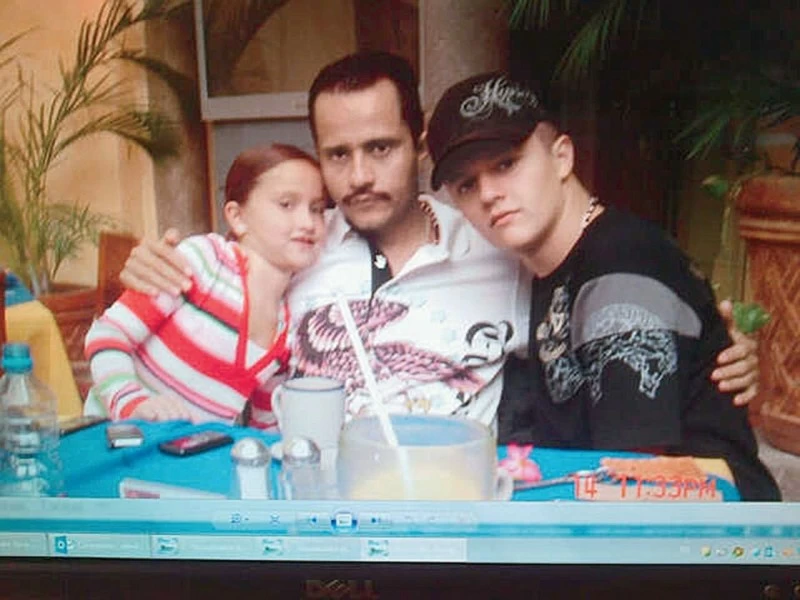
لم يكن مقتل نيميسيو روبين أوسيغويرا سيرفانتس، المعروف بلقب «إل مينتشو»، حدثًا أمنيًا عابرًا. فخلال ساعات من إعلان مقتله أمس (الأحد)، اشتعلت عدة ولايات مكسيكية بحرق مركبات وقطع طرق واشتباكات مسلحة، في مشهد عكس حجم النفوذ الذي كان يتمتع به الرجل الأخطر في عالم المخدرات بالمكسيك.
«إل مينتشو» لم يكن مجرد زعيم عصابة، بل العقل المدبر وقائد كارتل خاليسكو الجيل الجديد، أحد أعنف وأقوى التنظيمات الإجرامية في البلاد. تصدّر قوائم المطلوبين في المكسيك والولايات المتحدة، ورُصدت مكافآت بملايين الدولارات مقابل معلومات تقود إلى اعتقاله. قاد شبكة تهريب عابرة للقارات، وارتبط اسمه بالفنتانيل والكوكايين والميثامفيتامين، وبموجة عنف غير مسبوقة ضد خصومه وقوات الأمن.
فمن هو الرجل الذي وُلد في فقر ريفي بولاية ميتشواكان، قبل أن يتحول إلى أحد أخطر المطلوبين عالميًا؟ وكيف بنى إمبراطوريته التي اهتزت معها مدن بأكملها فور سقوطه
من حقول الأفوكادو إلى عرش الكارتل
وُلد أوسيغويرا عام 1966 في مجتمع ريفي فقير بولاية ميتشواكان، ونشأ في أسرة تعمل بزراعة الأفوكادو. ترك المدرسة في الصف الخامس، وبدأ في سن مبكرة بحراسة مزارع الماريجوانا، قبل أن يهاجر بشكل غير قانوني إلى كاليفورنيا في ثمانينات القرن الماضي مستخدمًا أسماءً مستعارة لإخفاء هويته.
في الولايات المتحدة، تنقّل بين الاعتقالات والترحيل. ففي عام 1992 أُدين بتهم فيدرالية تتعلق بالمخدرات، وحُكم عليه بالسجن خمس سنوات في تكساس، قبل أن يُفرج عنه بعد ثلاث سنوات ويُرحّل إلى المكسيك وهو في الثلاثين من عمره.
من شرطي إلى زعيم إمبراطورية إجرامية
بعد عودته، انضم إلى الشرطة المحلية في خاليسكو، لكنه سرعان ما غادرها ليلتحق بعالم الجريمة المنظمة عبر كارتل ميلينيو. وهناك بدأ صعوده السريع، متحالفًا لاحقًا مع كارتل سينالوا بقيادة إغناسيو «ناتشو» كورونيل.
ومع اعتقال أو مقتل قيادات بارزة في «ميلينيو»، اندلع صراع داخلي انتهى بانقسام التنظيم. قاد «إل مينتشو» أحد الأجنحة المنتصرة، وأعاد تشكيله تحت اسم «كارتل خاليسكو الجيل الجديد»، الذي سرعان ما فرض سطوته في غرب المكسيك.
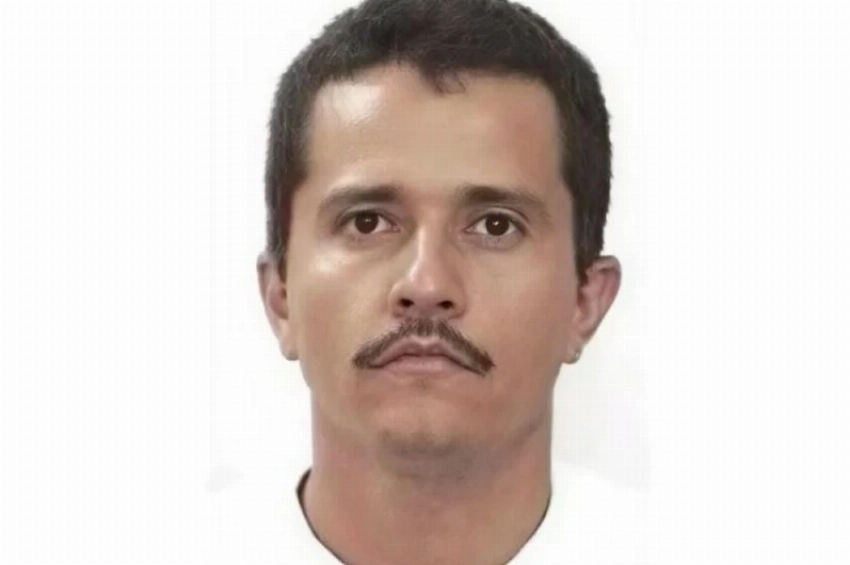
قيادة دموية ونفوذ عابر للقارات
اكتسب «إل مينتشو» سمعة دامية بسبب هجماته العنيفة ضد الكارتلات المنافسة وقوات الأمن المكسيكية، ما وضعه في صدارة أولويات أجهزة الأمن. وتحت قيادته، توسع نشاط الكارتل ليشمل تهريب الكوكايين والميثامفيتامين والفنتانيل إلى الولايات المتحدة وأستراليا، عبر شبكات دولية معقدة.
ومنذ مطلع الألفية، راقبت إدارة مكافحة المخدرات الأمريكية (DEA) أنشطته، وأصدرت بحقه عدة لوائح اتهام في محاكم أمريكية. كما فرضت وزارة الخزانة الأمريكية عقوبات عليه بموجب «قانون ملاحقة أباطرة المخدرات»، وجمّدت أصوله وأصول مقربين منه داخل الولايات المتحدة.
وفي فترة الرئاسة الثانية لدونالد ترمب، صُنّف «إل مينتشو» كـ«إرهابي عالمي مصنف بشكل خاص»، بعد إدراج الكارتل منظمة إرهابية أجنبية، على خلفية دوره في تصاعد أزمة الفنتانيل وأعمال العنف واسعة النطاق.
العائلة في قلب العاصفة
لم يكن نفوذ «إل مينتشو» محصورًا في شخصه. فقد طالت الاتهامات والاعتقالات أفرادًا من عائلته. زوجته روزاليندا غونزاليس فالنسيا اعتُقلت عام 2018 بتهمة غسل الأموال، وأُفرج عنها بكفالة مع استمرار محاكمتها.
ابنه روبين أوسيغويرا، المعروف بـ«إل مينتشيتو»، اعتُبر الرجل الثاني في الكارتل قبل اعتقاله عام 2014، ثم تسليمه إلى الولايات المتحدة عام 2020، حيث أُدين لاحقًا بتهم تتعلق بالقتل وتهريب المخدرات والأسلحة. كما اعتُقل عدد من أشقائه وأصهاره بتهم مالية وجنائية مرتبطة بالتنظيم.
نهاية مطاردة طويلة
تزعم «إل مينتشو» كارتل خاليسكو الجيل الجديد (CJNG)، التنظيم الإجرامي الذي تحوّل خلال سنوات قليلة إلى قوة عابرة للحدود، تنافس أعتى كارتلات المخدرات في أمريكا اللاتينية. وقد عرضت واشنطن مكافأة تصل إلى 15 مليون دولار، فيما خصصت مكسيكو سيتي 300 مليون بيزو مقابل معلومات تقود إلى اعتقاله.
ظل «إل مينتشو» لسنوات يتخفّى في المناطق الريفية بين خاليسكو وميتشواكان وولايات مجاورة، تحت حماية مسلحين مدربين عسكريًا. لكن العملية العسكرية التي أنهت حياته أمس (الأحد) وضعت حدًا لواحدة من أطول وأعقد المطاردات الأمنية في تاريخ المكسيك الحديث.
وبرحيله، يُطوى فصل دموي من تاريخ الجريمة المنظمة.
The killing of Nemesio Rubén Oseguera Cervantes, known by the nickname “El Mencho,” was not a fleeting security event. Within hours of announcing his death yesterday (Sunday), several Mexican states erupted in vehicle burnings, road blockades, and armed clashes, reflecting the extent of the influence held by the most dangerous man in Mexico’s drug world.
“El Mencho” was not just a gang leader; he was the mastermind and head of the Jalisco New Generation Cartel, one of the most violent and powerful criminal organizations in the country. He topped the wanted lists in Mexico and the United States, with millions of dollars in rewards offered for information leading to his capture. He led a transcontinental smuggling network and was associated with fentanyl, cocaine, and methamphetamine, as well as an unprecedented wave of violence against his rivals and security forces.
So who is the man who was born into rural poverty in the state of Michoacán, before becoming one of the most wanted criminals globally? How did he build his empire, which shook entire cities upon his downfall?
From avocado fields to the cartel throne
Oseguera was born in 1966 in a poor rural community in Michoacán, growing up in a family that worked in avocado farming. He dropped out of school in the fifth grade and began at an early age guarding marijuana farms, before illegally migrating to California in the 1980s using aliases to hide his identity.
In the United States, he moved between arrests and deportations. In 1992, he was convicted of federal drug-related charges and sentenced to five years in prison in Texas, before being released after three years and deported back to Mexico at the age of thirty.
From police officer to leader of a criminal empire
After his return, he joined the local police in Jalisco, but soon left to enter the world of organized crime through the Milenio Cartel. There, he began his rapid rise, later allying with the Sinaloa Cartel led by Ignacio “Nacho” Coronel.
With the arrest or killing of prominent leaders in “Milenio,” an internal conflict erupted, resulting in a split within the organization. “El Mencho” led one of the victorious factions and restructured it under the name “Jalisco New Generation Cartel,” which quickly asserted its dominance in western Mexico.
Bloody leadership and transcontinental influence
“El Mencho” gained a bloody reputation due to his violent attacks against rival cartels and Mexican security forces, placing him at the top of security priorities. Under his leadership, the cartel expanded its activities to include smuggling cocaine, methamphetamine, and fentanyl into the United States and Australia, through complex international networks.
Since the early 2000s, the U.S. Drug Enforcement Administration (DEA) monitored his activities, issuing multiple indictments against him in U.S. courts. The U.S. Treasury Department also imposed sanctions on him under the “Kingpin Act,” freezing his assets and those of his associates within the United States.
During Donald Trump’s second presidency, “El Mencho” was classified as a “specially designated global terrorist,” following the cartel’s designation as a foreign terrorist organization, due to his role in the escalating fentanyl crisis and widespread violence.
Family at the center of the storm
The influence of “El Mencho” was not limited to himself. Accusations and arrests extended to family members. His wife, Rosalinda González Valencia, was arrested in 2018 on money laundering charges and was released on bail while her trial continued.
His son Rubén Oseguera, known as “El Menchit,” was considered the second-in-command of the cartel before his arrest in 2014, and later extradited to the United States in 2020, where he was subsequently convicted on charges related to murder, drug trafficking, and weapons. Several of his brothers and in-laws were also arrested on financial and criminal charges linked to the organization.
The end of a long pursuit
“El Mencho” led the Jalisco New Generation Cartel (CJNG), a criminal organization that transformed within a few years into a cross-border force, competing with the most powerful drug cartels in Latin America. Washington offered a reward of up to $15 million, while Mexico City allocated 300 million pesos for information leading to his capture.
For years, “El Mencho” hid in rural areas between Jalisco and Michoacán and neighboring states, under the protection of military-trained armed men. However, the military operation that ended his life yesterday (Sunday) put an end to one of the longest and most complex security pursuits in modern Mexican history.
With his departure, a bloody chapter in the history of organized crime is closed.