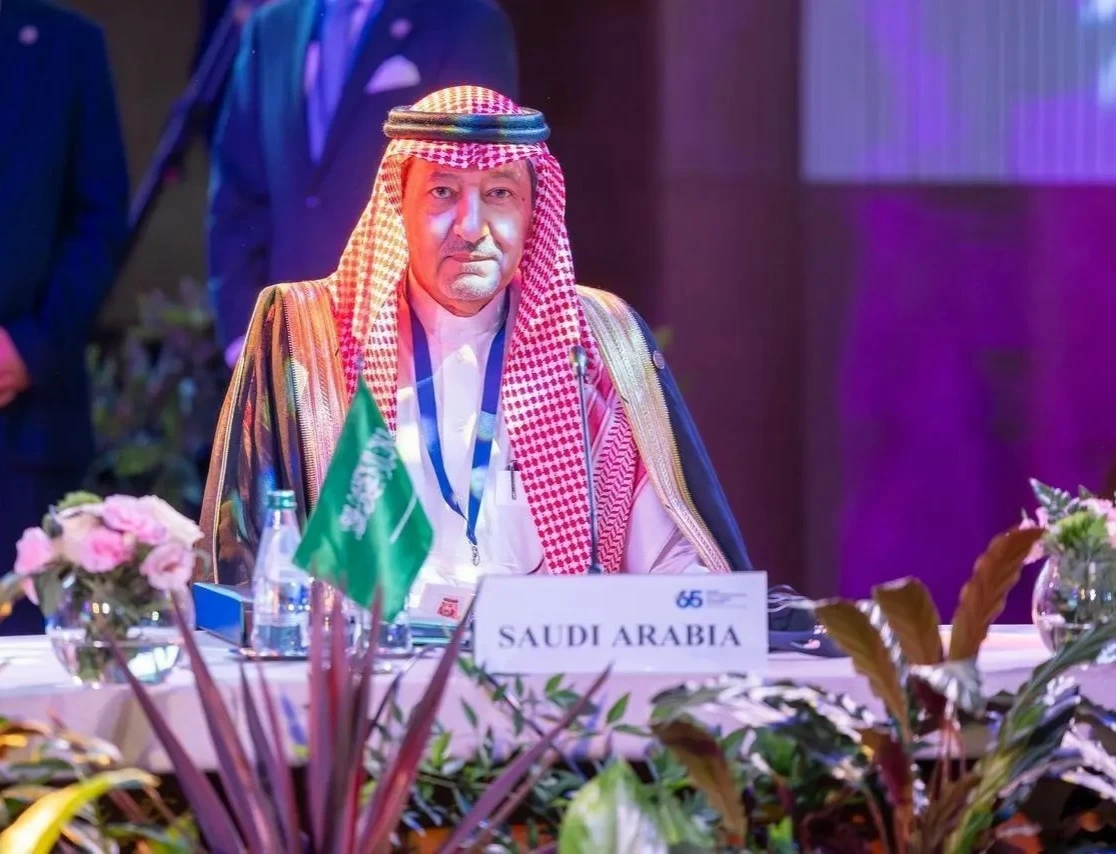

نيابة عن ولي العهد رئيس مجلس الوزراء الأمير محمد بن سلمان بن عبدالعزيز آل سعود -حفظه الله، شارك نائب وزير الخارجية المهندس وليد بن عبدالكريم الخريجي، في الاجتماع رفيع المستوى بمناسبة الذكرى الـ 65 للمؤتمر الأول لدول حركة عدم الانحياز، والمنعقد في جمهورية صربيا.
وألقى نائب وزير الخارجية كلمةً أعرب في بدايتها عن تقدير المملكة لفخامة الرئيس ألكسندر فوتشيتش رئيس جمهورية صربيا، ولحكومته على ما بذلوه من جهود مقدرة لاستضافة هذا الاجتماع، في وقت تتزايد خلاله التحديات التي تواجه المجتمع الدولي.
وقال نائب وزير الخارجية: إن المملكة منذ الإسهام في تأسيس حركة عدم الانحياز، حافظت على التزامها بالمبادئ التي قامت عليها، وفي مقدمتها صون سيادة الدول واستقلال قرارها الوطني، ورفض استخدام القوة وسيلةً لتسوية الخلافات، وقد انعكس ذلك في سياسة المملكة الخارجية، التي اعتمدت الحوار في إدارة القضايا الدولية، وعملت على توسيع علاقات التعاون، ودعمت المسارات التي تحد من احتمالات نشوب النزاع وتعزز الأمن والسلم الدوليين.
وأكد أن المملكة تقدر ما تمثله مبادئ الحركة ومقاصدها من أساس مهم للعمل الدولي المشترك، وما اضطلعت به من دور مسؤول في دعم القضايا العادلة، وبصفة خاصة موقفها الثابت تجاه القضية الفلسطينية واهتمامها بأمن الشرق الأوسط واستقراره.
وشدد على أهمية استمرار التنسيق من خلال الأمم المتحدة وحركة عدم الانحياز، بما يحافظ على أولوية الحلول السلمية السياسية، وتعزيز الامتثال للقانون الدولي أمام سياسات فرض القوة والتصعيد، بما في ذلك ضمان حرية الملاحة في الممرات البحرية الدولية التي أكد عليها أخيرا قرار مجلس الأمن 2817.
وأوضح نائب وزير الخارجية أن غياب الحلول السياسية يتضح في منطقة الشرق الأوسط، بصورة مباشرة، وذلك بسبب ارتكاب الاحتلال الإسرائيلي جرائم متواصلة في قطاع غزة وسائر الأراضي الفلسطينية المحتلة، وما يرافق ذلك من اعتداءات على أراضي الجمهورية العربية السورية الذي يمثل انتهاكًا صارخًا لحقوق الشعوب وسيادة الدول، ويدفع المنطقة أيضاً نحو مزيد من التوتر وعدم الاستقرار.
وجدد تأكيد المملكة على أن السلام يمثل الخيار القادر على توفير الأمن الدائم لجميع دول المنطقة وشعوبها، ولا يمكن بلوغ هذا الهدف من دون الإسراع في التوصل إلى تسوية منصفة وشاملة ونهائية للقضية الفلسطينية.
وقال: «تنطلق جهود المملكة الإقليمية من قناعة بأن أمن المنطقة مسؤولية مشتركة، وأن استدامته تتطلب تفاهمات تقلل من احتمالات المواجهة وتحول دون اتساع الخلافات، ولذلك حرصت المملكة على إبقاء قنوات التواصل مفتوحة، ودعم المبادرات التي تساعد على الوساطة والتهدئة، وتشجيع الأطراف على معالجة أسباب التوتر قبل تحولها إلى أزمات أوسع».
وأضاف أن المملكة ترى أن خفض التوتر لا يمثل هدفًا مؤقتًا، بل يوفر للدول فرصة لإعادة توجيه أولوياتها نحو التنمية المستدامة وتحسين حياة شعوبها، ومن هذا المنطلق، تدعو المملكة دول المنطقة إلى تجنب السياسات التي تزيد التوترات، والعمل على بناء مصالح مشتركة تجعل الاستقرار أساسًا للتنمية، وتمنح شعوب المنطقة فرصًا أوسع لتحقيق تطلعاتها.
On behalf of Crown Prince and Prime Minister Prince Mohammed bin Salman bin Abdulaziz Al Saud – may God protect him, Deputy Minister of Foreign Affairs Engineer Waleed bin Abdulkarim Al-Khreeji participated in the high-level meeting on the occasion of the 65th anniversary of the first conference of the Non-Aligned Movement, held in the Republic of Serbia.
The Deputy Minister of Foreign Affairs delivered a speech in which he began by expressing the Kingdom’s appreciation to His Excellency President Aleksandar Vučić, President of the Republic of Serbia, and his government for their valued efforts in hosting this meeting, at a time when the challenges facing the international community are increasing.
The Deputy Minister of Foreign Affairs stated that since contributing to the establishment of the Non-Aligned Movement, the Kingdom has maintained its commitment to the principles upon which it was founded, foremost among them the preservation of the sovereignty of states and the independence of their national decisions, and the rejection of the use of force as a means to resolve disputes. This has been reflected in the Kingdom’s foreign policy, which has relied on dialogue in managing international issues, worked to expand cooperation relations, and supported pathways that limit the likelihood of conflict and enhance international security and peace.
He emphasized that the Kingdom values what the principles and objectives of the movement represent as an important foundation for joint international action, and the responsible role it has played in supporting just causes, particularly its steadfast position on the Palestinian issue and its concern for the security and stability of the Middle East.
He stressed the importance of continuing coordination through the United Nations and the Non-Aligned Movement, in a way that maintains the priority of peaceful political solutions and enhances compliance with international law in the face of policies of force and escalation, including ensuring freedom of navigation in international maritime passages, as emphasized recently by Security Council Resolution 2817.
The Deputy Minister of Foreign Affairs explained that the absence of political solutions is evident in the Middle East, directly, due to the continuous crimes committed by the Israeli occupation in the Gaza Strip and other occupied Palestinian territories, along with assaults on the territory of the Syrian Arab Republic, which represents a blatant violation of the rights of peoples and the sovereignty of states, and also pushes the region towards further tension and instability.
He reiterated the Kingdom’s assertion that peace represents the option capable of providing lasting security for all countries in the region and their peoples, and this goal cannot be achieved without hastening to reach a fair, comprehensive, and final settlement of the Palestinian issue.
He said: “The Kingdom’s regional efforts stem from the conviction that the security of the region is a shared responsibility, and its sustainability requires understandings that reduce the likelihood of confrontation and prevent the widening of disputes. Therefore, the Kingdom has been keen to keep communication channels open, support initiatives that assist in mediation and de-escalation, and encourage parties to address the causes of tension before they escalate into broader crises.”
He added that the Kingdom sees that reducing tension is not a temporary goal, but rather provides countries with an opportunity to redirect their priorities towards sustainable development and improve the lives of their peoples. From this standpoint, the Kingdom calls on the countries of the region to avoid policies that increase tensions and to work on building common interests that make stability the foundation for development, granting the peoples of the region broader opportunities to achieve their aspirations.