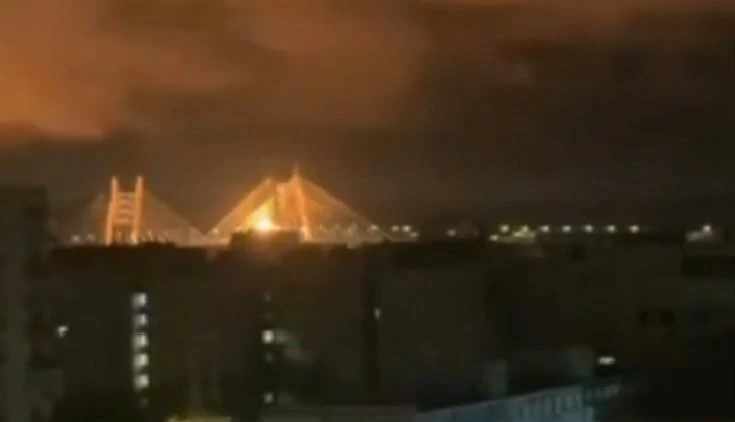
تعرضت بطرسبورغ ومناطق محيطة بها في شمال غربي روسيا لهجوم واسع بالطائرات المسيّرة، أسفر عن حرائق وأضرار في منشآت نفطية ورقمية ومبانٍ سكنية، وإصابة امرأة وثلاثة أطفال.
وأعلنت السلطات الروسية، الأحد، أن الدفاعات الجوية أسقطت عشرات المسيّرات خلال الهجوم الذي استهدف المدينة ومقاطعة لينينغراد المجاورة، فيما امتدت تداعياته إلى مرافق مدنية وشبكات الكهرباء وحركة الطيران.
وقال حاكم بطرسبورغ ألكسندر بيغلوف إن الهجوم طال محطة بطرسبورغ للنفط ومنشآت للبنية التحتية المدنية في أربعة أحياء بالمدينة، مشيراً إلى اندلاع حرائق في المواقع المستهدفة ومباشرة فرق الطوارئ عمليات الإخماد.
وفي مقاطعة لينينغراد، أعلن الحاكم ألكسندر دروزدينكو ارتفاع عدد المسيّرات التي جرى إسقاطها في أجواء المنطقة إلى 135، بعدما أعلن في وقت سابق إسقاط 126 طائرة، في مؤشر إلى اتساع نطاق العملية واستمرار التصدي لها خلال الساعات الأولى من صباح الأحد.
ولم تقتصر تداعيات الهجوم على المنشآت الصناعية، إذ أصاب حطام المسيّرات مبنى سكنياً متعدد الطوابق في مدينة فسيفولوجسك، القريبة من بطرسبورغ، ومنزلاً خاصاً في منطقة كيروفسك، حيث أفادت السلطات بإصابة امرأة وثلاثة أطفال جراء سقوط الحطام على المبنى السكني، كما تسببت أضرار لحقت بخطوط نقل الكهرباء في انقطاعات بالإمدادات عن نحو 20 ألف شخص في المقاطعة.
وفي تطور لافت، أعلنت شركة التكنولوجيا الروسية «في كيه» (VK) تعرض مركز بيانات تابع لها في مقاطعة لينينغراد لهجوم بطائرات مسيّرة، وقالت الشركة إن خدماتها ظلت متاحة للمستخدمين بصورة طبيعية، رغم استهداف منشأة رقمية حيوية تعتمد عليها خدماتها الإلكترونية.
وتكتسب هذه الواقعة أهمية تتجاوز الأضرار المادية، إذ باتت مراكز البيانات والبنية التحتية الرقمية جزءاً من المنشآت التي تواجه مخاطر متزايدة في ظل الحرب الروسية الأوكرانية، لما تؤديه من دور في تشغيل المنصات الإلكترونية وتخزين المعلومات وتقديم الخدمات للمستخدمين.
وامتدت الإجراءات الاحترازية إلى مطار بولكوفو في بطرسبورغ، حيث فرضت وكالة النقل الجوي الروسية قيوداً مؤقتة على حركة الطائرات. وأعلن المطار نقل الركاب والعاملين إلى أماكن آمنة، في إجراء يهدف إلى تقليل المخاطر خلال التعامل مع التهديد الجوي.
وتقع بطرسبورغ، ثاني أكبر المدن الروسية، في شمال غربي البلاد على ساحل بحر البلطيق، فيما تضم مقاطعة لينينغراد المحيطة بها مرافق صناعية ونفطية ولوجستية مهمة، حيث يمنح موقع المنطقة وقربها من البلطيق والبنية التحتية التي تحتضنها أي هجمات واسعة عليها أبعاداً تتصل بأمن المنشآت المدنية والطاقة والنقل والاتصالات.
وتأتي الهجمات بالطائرات المسيّرة في سياق الحرب المستمرة بين روسيا وأوكرانيا منذ فبراير 2022، والتي شهدت توسعاً في استخدام المسيّرات بعيدة المدى لاستهداف مواقع داخل أراضي البلدين.
وتعرضت منشآت نفطية ومرافق حيوية روسية لهجمات مماثلة خلال الأشهر الماضية، بينما تظل حصيلة الأضرار الميدانية والتأثيرات الكاملة للهجوم الأخير مرهونة بما تعلنه السلطات والجهات المعنية لاحقاً.
St. Petersburg and surrounding areas in northwestern Russia were subjected to a wide-ranging drone attack, resulting in fires and damage to oil and digital facilities, as well as residential buildings, injuring one woman and three children.
Russian authorities announced on Sunday that air defenses shot down dozens of drones during the attack that targeted the city and the neighboring Leningrad region, with its repercussions extending to civilian facilities, electricity networks, and air traffic.
St. Petersburg Governor Alexander Beglov stated that the attack affected the St. Petersburg oil station and civil infrastructure facilities in four neighborhoods of the city, noting that fires broke out at the targeted sites and emergency teams began firefighting operations.
In the Leningrad region, Governor Alexander Drozdenko announced that the number of drones shot down in the area had risen to 135, after previously reporting 126 aircraft, indicating an expansion of the operation and continued resistance during the early hours of Sunday.
The repercussions of the attack were not limited to industrial facilities, as debris from the drones struck a multi-story residential building in the city of Vsevolozhsk, near St. Petersburg, and a private home in the Kirovsk area, where authorities reported that one woman and three children were injured due to the debris falling on the residential building. Additionally, damage to electricity transmission lines caused power outages for about 20,000 people in the region.
In a notable development, the Russian technology company “VK” announced that a data center belonging to it in the Leningrad region was attacked by drones, stating that its services remained available to users normally, despite the targeting of a vital digital facility that its electronic services rely on.
This incident holds significance beyond the material damage, as data centers and digital infrastructure have become part of the facilities facing increasing risks amid the Russian-Ukrainian war, due to their role in operating electronic platforms, storing information, and providing services to users.
Precautionary measures extended to Pulkovo Airport in St. Petersburg, where the Russian aviation agency imposed temporary restrictions on aircraft movement. The airport announced the relocation of passengers and staff to safe areas, in a measure aimed at reducing risks while dealing with the aerial threat.
St. Petersburg, the second-largest city in Russia, is located in the northwest of the country on the coast of the Baltic Sea, while the surrounding Leningrad region contains important industrial, oil, and logistical facilities. The area’s location and proximity to the Baltic, along with its infrastructure, give any large-scale attacks on it implications related to the security of civil facilities, energy, transportation, and communications.
The drone attacks come in the context of the ongoing war between Russia and Ukraine since February 2022, which has seen an expansion in the use of long-range drones to target sites within the territories of both countries.
Russian oil facilities and vital installations have faced similar attacks in recent months, while the full extent of the damage and the complete impact of the recent attack remain contingent on what authorities and relevant parties announce later.