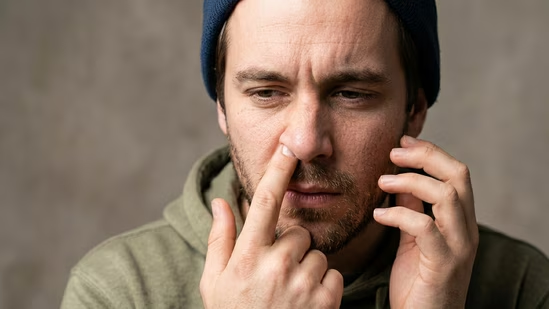
Do you also pick your nose? While it is booed or frowned upon due to embarrassment stemming from hygiene issues, it is also generally advised against for many reasons. The tendency to shove a finger inside the nostril and dig around is more common than people admit, especially when it feels itchy or like there’s something stuck. At least secretly or in the comfort of their homes, many still do it, even if they won’t say it out loud.

Aside from the social awkwardness attached to it, there are also real health risks that make it worth breaking the habit.
In a conversation with HT Lifestyle, Dr Atul Mittal, Chairman, ENT, Fortis Hospital Gurgaon, disclosed the health-related concerns, while also debunking a common myth.
He first of all addressed a myth that picking your nose makes it bigger, firmly debunking it by clarifying that the habit does not permanently change its size. “The size and shape of your nose are mainly determined by bone and cartilage, not by the soft tissue inside your nostrils,” explained Dr Mittal, describing what actually forms the foundation of the nose.
“Nose picking (medically called rhinotillexis) only affects the delicate lining inside the nose, not the structural framework that defines its external appearance,” he added, further explaining that while the habit may cause temporary irritation or swelling, it does not alter the nose shape.
To discourage the habit of nose picking, people are told that it can make the nose bigger. However, this kind of fearmongering is neither accurate nor helpful. Instead, it is more important to understand the real reasons why you should stop this habit, which have far more to do with your health than appearance.
Why should you stop nose picking?
The ENT doctor explained how aggressive and frequent nose picking can lead to irritation and inflammation, which may cause the inside of your nostrils to swell slightly. In some cases, it can even damage the tissues. However, whatever happens internally does not lead to any structural changes in the nose.
Instead, Dr Mittal listed some other health issues:
1. Infections
- Fingers carry bacteria.
- When someone picks their nose, they can introduce germs into small cuts inside the nostrils.
- Increases the risk of infections like nasal vestibulitis.
2. Nosebleeds
- The inside of the nose contains many tiny blood vessels close to the surface.
- Picking can easily damage them, causing frequent nosebleeds.
3. Delayed healing and scabbing
- Repeated picking can prevent wounds from healing properly.
Causes chronic irritation and scab formation.
4. Spread of illness
- If one touches contaminated surfaces and then their nose, viruses and bacteria can enter the body more easily.
- Increases one’s chances of getting sick.
5. Septum damage (rare)
- In extreme cases, constant picking can damage the nasal septum (the wall between the nostrils)
- Potentially causing a small hole (septal perforation).
How to safely clean the nose?
Sometimes, you may feel the need to pick your nose to clean it, but even that can be avoided. Dr Atul Mittal suggested, “Use a tissue instead of your fingers. Second, keep your nose moist with saline sprays. Ensure you maintain good hand hygiene.” When you follow this instead of wildly shoving a finger inside your nose, you stay safe and healthy, preventing chances of infections from bacterial exposure to the nasal passages.
Note to readers: This article is for informational purposes only and not a substitute for professional medical advice. Always seek the advice of your doctor with any questions about a medical condition.