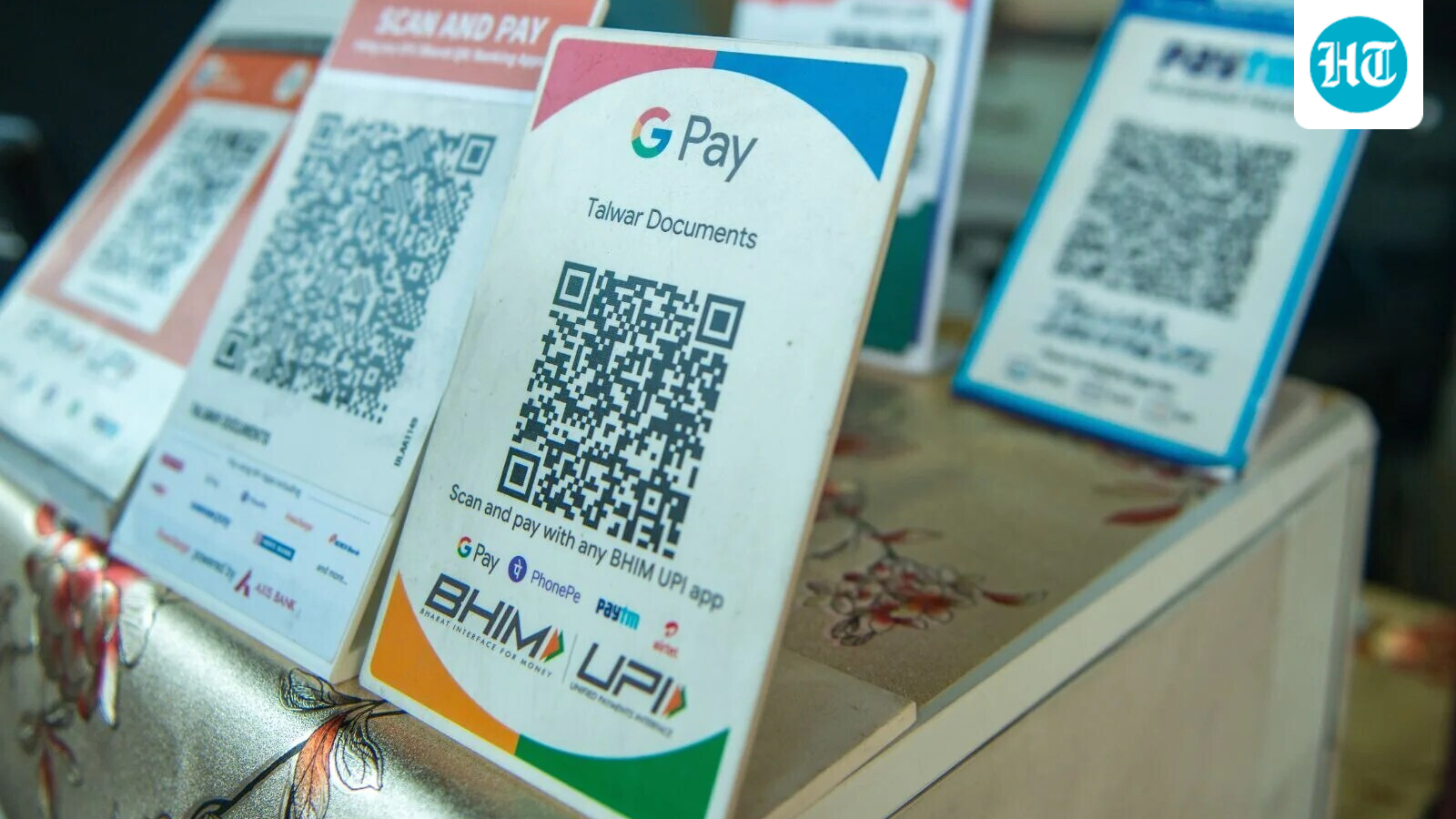
The last decade has witnessed a revolution in the retail digital payments space with large scale adoption of QR code payments being the method of choice both by payers and merchants who receive such payments. The Unified Paymens Interface (UPI) has become the world’s leading retail payments system with almost a billion transactions being settled every day, by moving from being an alternative way to pay to becoming an integral part of everyday commerce. For millions of small merchants, a QR code has become an integral part of the storefront.
The significance of this transition goes beyond convenience to a virtual necessity. This, a customer pays instantly without using cash, a merchant received the exact payment amount without having to bother about returning change, and transactions can be recorded digitally, coupled with reduction of friction in everyday commerce along with better accounting. This has also resulted in many new enterprises including fintechs being set up in the UPI eco system to provide a wide array of innovative services.
UPI has now become a strong backbone of the payments’ infrastructure supporting overall economic growth. It has to be sustainable, enable orderly growth and at the same time ensure that the benefits of digitisation continue to reach the smallest businesses as merchants and the common man as the user.
The new MDR framework needs to be viewed in this larger context. For several years, the priority was rapid adoption of UPI and a MDR free UPI system was resorted to as a motivator for large scale usage of UPI. The UPI system has stabilised well and has proliferated to even rural towns. In doing so, there is no commission money shared with various players in the chain, and the costs for providing the facility was absorbed by the entities themselves and with almost no funds available for R&D and/or innovation by these entities.
The next phase requires a somewhat different approach, with the economics of maintaining and expanding the payments infrastructure that operates at enormous scale, for which adequate allocation of funds is essential.
The new framework introduces a 0.4% MDR on specified P2M transactions above ₹2,000, while keeping P2P transactions free and protecting small merchants receiving up to ₹1 lakh a month through UPI QR codes. Payments to merchants up to ₹2,000 will also remain free, leaving approximately 96% of P2M transactions unaffected.
This distinction is important. A policy designed to create a sustainable ecosystem does not have to come at the expense of financial inclusion. In fact, the framework attempts to separate the two objectives by limiting the cost to specified higher-value transactions while protecting everyday payments and smaller businesses.
There is another important element to the framework that deserves attention. A dedicated fund will be established to subsidise and accelerate digital payment infrastructure in Tier 3 to Tier 6 centres, including the Northeastern states, Jammu and Kashmir and Ladakh. In Tier 1 and Tier 2 centres, notified Central Government schemes such as PM SVANidhi and PM Vishwakarma may also be included.
The fund will also provide financial assistance to ecosystem players for merchant onboarding and encourage greater use of UPI among existing small merchants.
This is significant because the next phase of digitalisation cannot be defined only by the number of transactions taking place in India’s largest cities. It must also be about extending the infrastructure and participation that make digital payments useful to businesses across the country.
For a merchant who is yet to adopt digital payments, the first barrier may simply be access to the right infrastructure or assistance. For an existing merchant, the opportunity may be to deepen usage and derive greater value from an already familiar payment system.
The fund, therefore, creates a mechanism to address both sides of the adoption curve: bringing more merchants into the digital payments ecosystem while encouraging existing small merchants to use it more actively.
The larger opportunity is to think beyond the QR code.
A merchant who receives digital payments generates a record of business activity. Over time, greater familiarity with digital transactions can help businesses engage more comfortably with formal financial services and digital banking.
This does not mean that every digital transaction should automatically translate into credit or other financial products. Rather, it creates the foundation for a more transparent and connected financial relationship between small businesses and the formal financial system.
That distinction matters. Digital payments should not be viewed simply as a transaction mechanism. They are increasingly becoming part of the financial infrastructure through which businesses operate.
India’s achievement with UPI has been its ability to combine scale, convenience and inclusion. The next phase will require the same balance.
The objective should be to maintain consumer confidence, protect small merchants, encourage innovation and ensure that the economics of the ecosystem support continued investment in infrastructure, security and reliability.
The introduction of MDR is more than a change in the pricing of certain transactions. It represents an opportunity to think about how a digital public infrastructure can evolve as it matures.
The test of the framework will ultimately be whether it can preserve what made UPI successful while creating the conditions for its next phase of growth.
For small merchants, that should mean more than simply accepting a digital payment. It should mean participating in an ecosystem that makes it easier to do business, connect with the formal financial system and take advantage of the opportunities that digitalisation creates.
(The views expressed are personal)
This article is authored by S Ganesh Kumar, former executive director, RBI.