3 min readNew DelhiApr 27, 2026 10:30 PM IST
Ahead of the global big cat summit in June, the International Big Cat Alliance (IBCA), headquartered in New Delhi, is deliberating on a New Delhi Declaration, which, if adopted, will be the first international declaration on big cat conservation, The Indian Express has learned.
The IBCA secretariat, working alongside the Ministry of External Affairs, has shared a draft of the declaration text with IBCA member countries as well as range countries, two people aware of the matter said.
Prime Minister Narendra Modi is expected to participate in the summit meeting with heads of states and governments from some of the member countries, people aware of the matter said. It is at this summit meeting, likely to be held on June 1, that the political declaration is expected to be placed for adoption.

The global big cat summit will be held close on the heels of the Fourth India-Africa Forum Summit on May 31. IBCA currently has 24 member countries, of which 10 are African nations. Kazakhstan, Namibia and Thailand have been granted observer status.
The declaration, it is learned, will include promotion of landscape-level and transboundary habitat connectivity, strengthening cooperation on wildlife crime prevention, mobilisation of finance, and advancing of One Health approach, linking wildlife, livestock and human health, among other things.
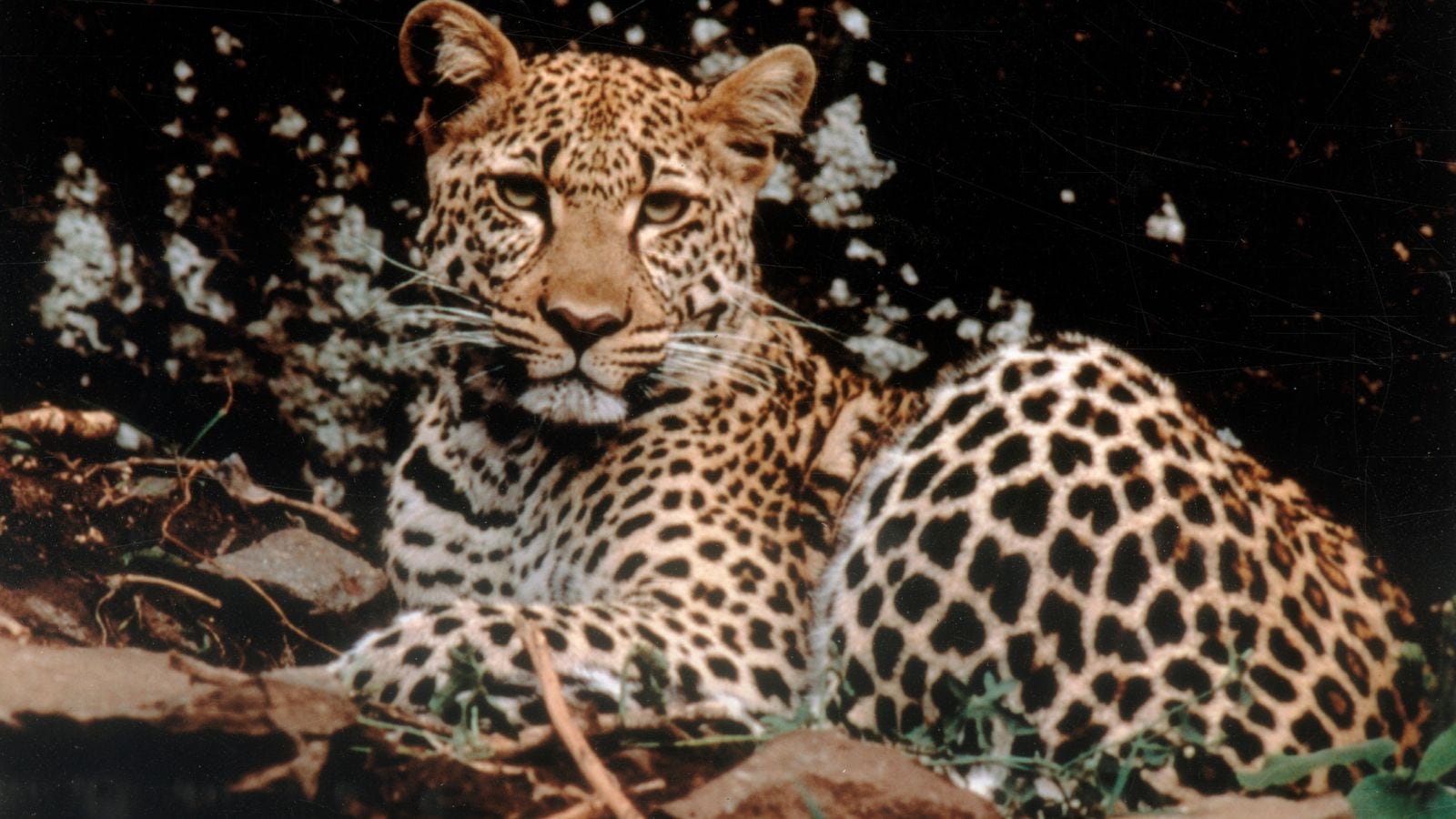
The IBCA was launched on April 9, 2023, by PM Modi during the commemoration of 50 years of Project Tiger to create an international platform for the conservation of seven big cats – Tiger, Lion, Leopard, Cheetah, Snow Leopard, Puma and Jaguar. The summit will also serve as a platform to get more countries to commit to becoming members of the global alliance, it has been learned.
These apex predators are crucial to the respective habitats they occur in across continents, and in maintaining an ecological balance. These seven big cats occur in 95 countries – known as range countries to signify species occurring there in the wild – across Asia, Africa, and the Americas, and face challenges such as deforestation, illegal wildlife trade and poaching, ecosystem changes, and emerging wildlife diseases.
The Union Cabinet had approved IBCA’s establishment with headquarters in India on February 29, 2024, with a one-time budgetary support of Rs 150 crore for a period of five years from 2023-24 to 2027-28. Union Minister for Environment, Forest and Climate Change Bhupender Yadav had announced India’s plans to host the global summit last November, during the annual United Nations climate change conference in Belem, Brazil.
Story continues below this ad
Apart from heads of states and heads of governments from member countries, the IBCA secretariat has invited participation of two official delegates from the 95 range countries.
While the International Tiger Forum, held in St Petersburg, Russia, in November 2010, brought together heads of governments of countries where tigers occur in the wild, the big cat summit will be the first-of-its-kind on conservation of seven big cats. It will see participation of ministers, government officials, conservation organisations, academics, multilateral development banks, corporate leaders and communities.
India is already collaborating with African nations as part of the Cheetah reintroduction project, having imported the wild felines from Namibia, South Africa and Botswana. Meanwhile, India and Cambodia are collaborating on intercontinental translocation of tigers from India to the South East Asian country.

