Rourkela (Odisha) : Researchers at the National Institute of Technology (NIT) Rourkela have developed a smart wound dressing that reduces pain during dressing changes, lowers the risk of infection, and promotes faster healing while remaining affordable.
The innovation, led by Prof. Prasoon Kumar, Assistant Professor in the Department of Biotechnology and Medical Engineering, addresses a major limitation of conventional cotton gauze, which often adheres to wounds, damages newly formed tissue during removal, and increases the risk of infection.
The newly developed dressing combines chitosan-coated cotton gauze with an electrospun nanofibrous layer loaded with curcumin, a natural compound known for its antimicrobial properties. Positioned between the wound and the gauze, the nanofibrous layer prevents direct contact between the wound and the dressing, minimising tissue damage during removal.
The curcumin-loaded nanofibres provide sustained drug release, helping maintain a sterile wound environment while supporting tissue regeneration and reducing the need for frequent dressing changes and additional medication.
“Our laboratory tests showed that the dressing significantly reduces wound adhesion compared to conventional cotton gauze. The sustained release of curcumin offers antibacterial protection, while the nanofibrous layer supports cellular growth and tissue regeneration,” Prof. Kumar said.
Key features of the dressing include less painful removal, reduced damage to healing tissue, antibacterial protection, improved tissue regeneration, enhanced resistance to infection, and a simple, scalable manufacturing process.
The researchers estimate that a commercially manufactured smart bandage (10 cm × 4 m) would cost around Rs 50-60, compared with about Rs 30 for a conventional cotton gauze roll of the same size.
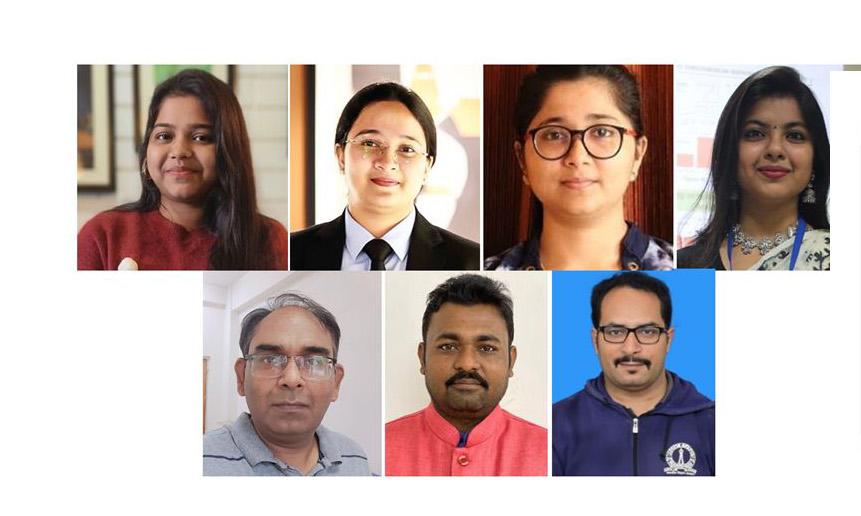
The findings have been published in the journal Emergent Materials. The study was co-authored by Prof. Devendra Verma, Prof. Earu Banoth, and research scholars Swagatika Barik, Rika Rani Pradhan, Shikha Tripathi and Samadrita Roy from NIT Rourkela’s Department of Biotechnology and Medical Engineering.
The research was supported by the ANRF-PAIR Grant and the SERB-SRG Grant. The team now plans to file a patent for the technology and collaborate with industry partners to undertake clinical trials.