4 min readBhopalJun 17, 2026 02:36 PM IST
Confronted with a shortage of specialist doctors across its rural healthcare network, the Madhya Pradesh government has approved a pilot project to hand over the management of 18 Community Health Centres (CHCs) in Rewa, Guna and Dewas districts to private operators, marking one of the state’s most significant experiments with public-private partnerships in healthcare in recent years.
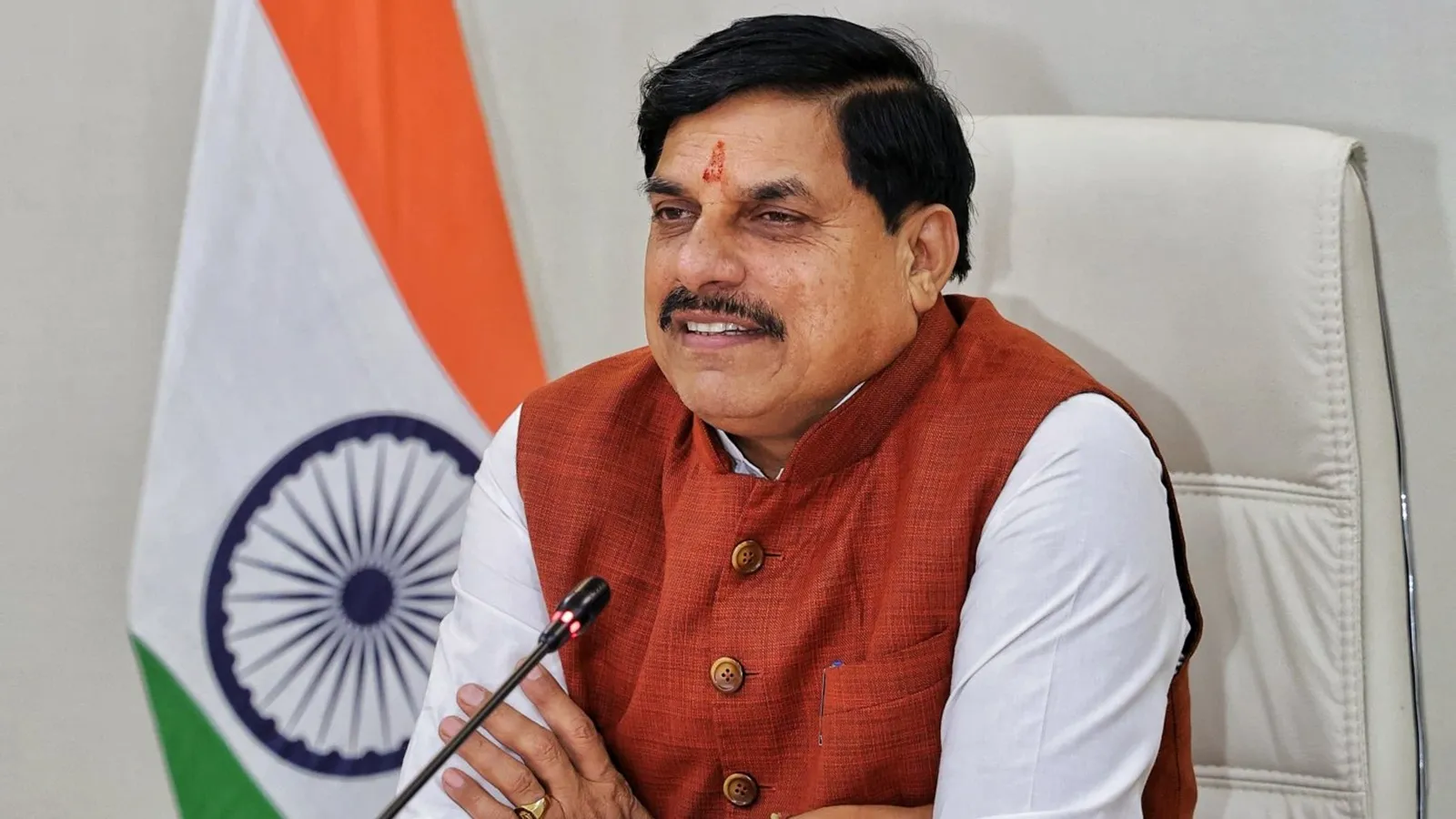
The decision, approved by the Cabinet chaired by Chief Minister Mohan Yadav, comes against the backdrop of a vacancy crisis in government-run health facilities. Official figures presented to the Cabinet show that of the 1,320 sanctioned specialist positions in the state’s 327 operational CHCs, just 113 are filled.

The crisis has left large parts of rural Madhya Pradesh without access to surgeons, physicians, gynaecologists and paediatricians – specialists that CHCs are expected to provide under national public health norms. Five of the 18 centres selected for the pilot reportedly don’t have a single specialist.
Under the new model, the government will continue to provide medicines and infrastructure, while the selected private entity, trust or organisation will be responsible for recruiting specialist doctors and other healthcare staff and managing day-to-day operations.
Officials in the Health Department said the Cabinet had approved the pilot project after identifying facilities where vacancies had made it difficult to provide specialist care.
“The Council of Ministers has approved the pilot project to outsource the management of Community Health Centres in Rewa, Dewas and Guna. A pilot project has been approved to outsource the management of identified community health centres in three districts of Rewa, Dewas and Guna where most of the posts of doctors are vacant,” the department said in a statement.
According to the department, the Public Health and Medical Education Department has been tasked with preparing and finalising tender documents to operate the facilities.
Story continues below this ad
The government has projected the move as an attempt to improve access to healthcare in underserved areas. “With this decision, the health facilities will be better available to the general public, and they will not need to come to the hospital for minor ailments,” the statement said.
Officials said the outsourcing model would initially be implemented as a five-year pilot project. “The scheme will be evaluated during five years, and if the results are good, it can be extended to other community health centres in the region,” the department added.
The five-year evaluation period is significant because it suggests the government views the initiative as a structural reform rather than a temporary arrangement to fill vacancies.
The vacancy crisis
Community Health Centres form the backbone of secondary healthcare in rural India, serving as referral facilities for Primary Health Centres and catering to populations that often have no access to private hospitals. Yet in Madhya Pradesh, attracting specialists to remote districts has proven difficult despite repeated recruitment drives, contractual appointments and financial incentives.
Story continues below this ad
The government’s decision comes amid a deepening manpower crisis in Madhya Pradesh’s public health system. Official data for 2025-26 shows that nearly three out of every four specialist doctor posts in the state are vacant. Of 5,443 sanctioned specialist positions, only 1,495 are filled, leaving 3,948 vacancies. The shortage extends to general medical officers as well, with 2,689 posts lying vacant out of 6,513 sanctioned positions.
Health department reports have repeatedly identified the lack of doctors at village-level facilities and primary health centres as the single biggest hurdle to providing round-the-clock healthcare in rural areas. Rural patients frequently travel hundreds of kilometres to district hospitals or medical colleges for procedures that should ordinarily be available at the CHC level.