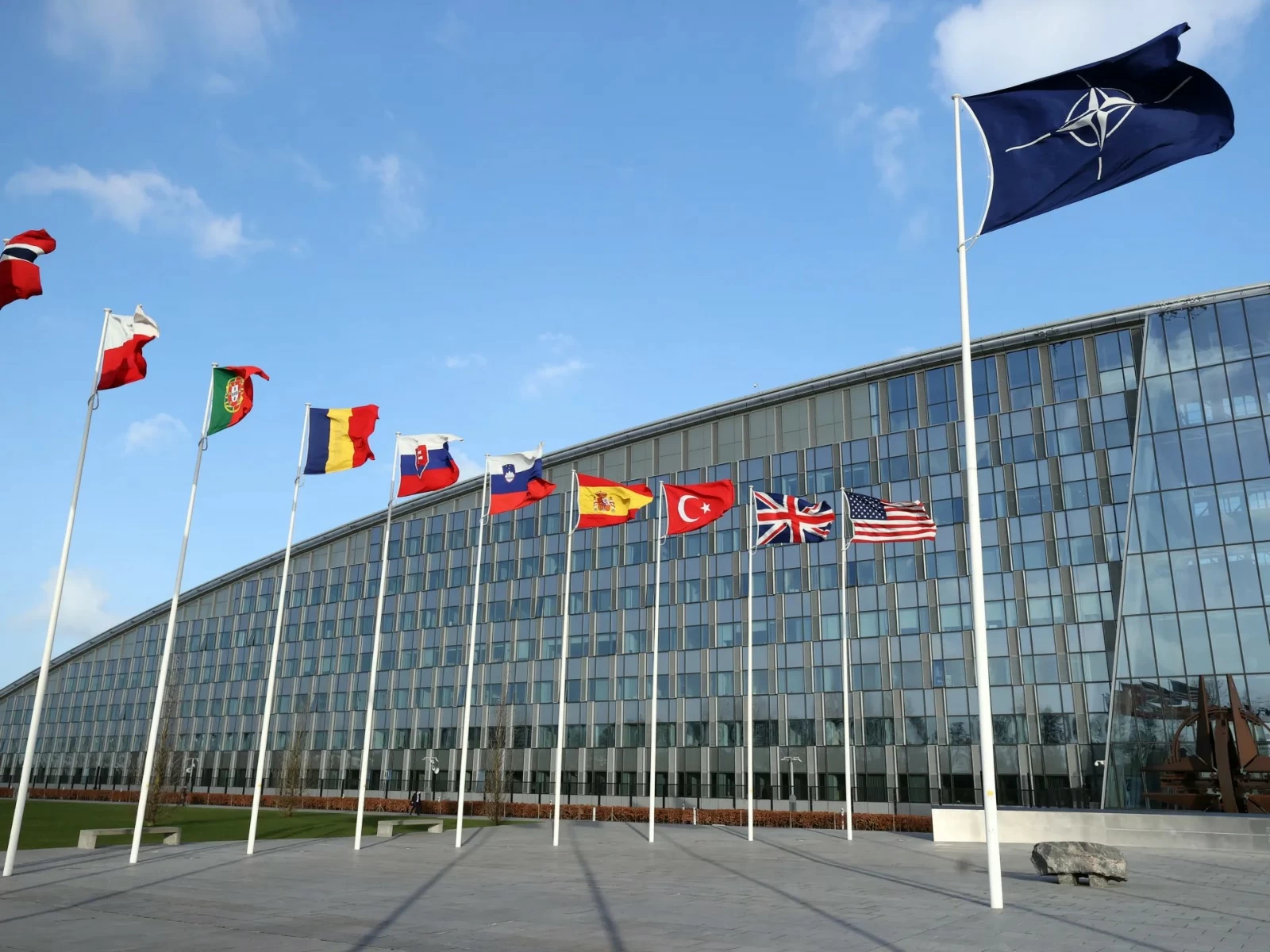
حذرت صحيفة «بوليتيكو» من أن الانتخابات الرئاسية الفرنسية المقررة في 2027 قد تفتح الباب أمام وصول رئيس يتبنى موقفاً متشككاً في حلف شمال الأطلسي (الناتو)، ما قد يضع تماسك الحلف أمام اختبار صعب، في ظل تراجع اليقين بشأن حجم الالتزام العسكري الأمريكي في أوروبا.
وأشارت الصحيفة إلى أن استطلاعات الرأي تعكس انقساماً واضحاً بين الناخبين الفرنسيين بشأن مستقبل بلادهم داخل الحلف، مع وجود دعم ملموس لسياسيين ينتقدون دور الناتو، وفي مقدمتهم زعيمة الكتلة البرلمانية لحزب «التجمع الوطني» مارين لوبان، ومؤسس حزب «فرنسا الأبية» جان لوك ميلانشون.
وبحسب «بوليتيكو»، يستعد مسؤولو الناتو لسيناريو قد يجد فيه الحلف نفسه أمام رئيس فرنسي قادر على إحداث شرخ كبير داخل بنيته، خصوصاً أن فرنسا ليست عضواً عادياً في المنظومة الدفاعية الغربية، بل قوة نووية وعضو أوروبي رئيسي يمتلك قدرات عسكرية واستخباراتية واسعة.
وتأتي هذه المخاوف في وقت تمر فيه العلاقة الدفاعية بين ضفتي الأطلسي بمرحلة حساسة، مع توجه الولايات المتحدة في عهد الرئيس دونالد ترمب إلى تقليص جزء من وجودها العسكري في أوروبا، بينما تعمل الدول الأوروبية على زيادة الإنفاق الدفاعي وتعزيز قدراتها تحسباً لاحتمال تصعيد عسكري مع روسيا.
وترى «بوليتيكو» أن أي ابتعاد فرنسي عن الهياكل العسكرية للناتو ستكون له تداعيات تتجاوز باريس، إذ قد ينعكس على انتشار القوات الفرنسية في دول الجناح الشرقي للحلف، وعلى التنسيق العملياتي والاستخباراتي بين الدول الأعضاء.
وتطرح لوبان خيار إخراج فرنسا من القيادة العسكرية المتكاملة للناتو، بينما يذهب ميلانشون إلى موقف أكثر حدة بالدعوة إلى خروج بلاده من الحلف بالكامل. وفي المقابل، أظهر استطلاع داخلي للحلف، وفق الصحيفة، أن نحو 54% من الناخبين الفرنسيين يؤيدون استمرار عضوية بلادهم في الناتو، وهي من أدنى نسب التأييد بين دول الحلف.
وتكتسب المواقف الفرنسية أهمية خاصة بسبب القدرات العسكرية التي تمتلكها باريس، وفي مقدمتها ترسانتها النووية، إضافة إلى حاملة الطائرات الوحيدة التي تعمل بالطاقة النووية في أوروبا، والسفن البرمائية من طراز «ميسترال»، وقدرات متقدمة في مجال الأقمار الصناعية والاستطلاع والاستخبارات.
ومن بين الملفات التي قد تتأثر أيضاً مستقبل مجموعة القتال الفرنسية في رومانيا، التي تضم نحو 1200 عسكري وتقودها باريس، إلى جانب الوجود العسكري الفرنسي في إستونيا ومناطق أخرى من الجناح الشرقي للناتو.
وتشير تقديرات عسكرية أوردتها الصحيفة إلى أن الانسحاب من القيادة العسكرية المتكاملة يمكن أن يبدأ بقرار رئاسي، إلا أن تنفيذه عملياً قد يستغرق نحو عام، بسبب الحاجة إلى إعادة توزيع نحو ألف ضابط فرنسي يعملون بصورة دائمة ضمن مؤسسات الحلف وإنشاء آليات جديدة للتنسيق بين باريس والناتو.
ولا يمثل الابتعاد عن القيادة العسكرية المتكاملة سابقة في تاريخ فرنسا؛ فقد انسحبت باريس من هذه الهياكل عام 1966 في عهد الرئيس شارل ديغول، لكنها أبقت على تعاونها مع الحلف وشاركت في عدد من عملياته، قبل أن تعود رسمياً إلى القيادة العسكرية المتكاملة عام 2009 خلال رئاسة نيكولا ساركوزي.
ويرى منتقدو خيار الانسحاب أن خروج فرنسا من الهيكل العسكري للحلف سيحرم الناتو من قدرات يصعب تعويضها، فيما قد تستفيد منه الدول المنافسة للغرب، خصوصاً في ظل حاجة أوروبا المتزايدة إلى القدرات العسكرية الفرنسية مع تراجع الدور الأمريكي المحتمل في القارة.
وتضيف «بوليتيكو» أن فرنسا تساهم بنحو 10% من الميزانية التشغيلية السنوية للناتو، البالغة نحو 5.3 مليار يورو، ما يعني أن أي تغيير جذري في علاقة باريس بالحلف ستكون له أيضاً انعكاسات مالية وتنظيمية.
ومن المقرر أن تجرى الانتخابات الرئاسية الفرنسية في أبريل 2027، مع احتمال إجراء جولة ثانية في مايو، فيما لا يستطيع الرئيس إيمانويل ماكرون الترشح لولاية ثالثة متتالية. وتستعد لوبان لخوض السباق، بعدما أصبحت فرص ترشحها أكثر وضوحاً عقب تطورات قضيتها المتعلقة باختلاس أموال من البرلمان الأوروبي.
وبينما لا تزال نتيجة الانتخابات بعيدة عن الحسم، ترى «بوليتيكو» أن مجرد احتمال وصول رئيس فرنسي أكثر تشككاً في الناتو يفرض على الحلف الاستعداد لمرحلة قد تعيد رسم علاقة إحدى أهم القوى العسكرية الأوروبية بالمنظومة الدفاعية الغربية.
Politico warned that the French presidential elections scheduled for 2027 could open the door for a president who adopts a skeptical stance towards NATO, which may put the cohesion of the alliance to a difficult test, amid declining certainty about the extent of U.S. military commitment in Europe.
The newspaper pointed out that opinion polls reflect a clear division among French voters regarding their country’s future within the alliance, with significant support for politicians who criticize NATO’s role, foremost among them Marine Le Pen, the leader of the parliamentary group of the National Rally party, and Jean-Luc Mélenchon, the founder of the France Insoumise party.
According to Politico, NATO officials are preparing for a scenario in which the alliance may find itself facing a French president capable of causing a significant rift within its structure, especially since France is not an ordinary member of the Western defense system, but a nuclear power and a key European member with extensive military and intelligence capabilities.
These concerns come at a time when the defense relationship across the Atlantic is at a sensitive stage, with the United States under President Donald Trump moving to reduce part of its military presence in Europe, while European countries are working to increase defense spending and enhance their capabilities in anticipation of a potential military escalation with Russia.
Politico believes that any French distancing from NATO’s military structures would have repercussions that extend beyond Paris, as it could affect the deployment of French forces in the eastern flank countries of the alliance, as well as operational and intelligence coordination among member states.
Le Pen proposes the option of withdrawing France from NATO’s integrated military command, while Mélenchon takes a more extreme position by calling for his country to exit the alliance entirely. In contrast, an internal poll conducted by the alliance, according to the newspaper, showed that about 54% of French voters support their country’s continued membership in NATO, which is one of the lowest approval rates among alliance countries.
French positions gain particular importance due to the military capabilities possessed by Paris, foremost among them its nuclear arsenal, in addition to the only nuclear-powered aircraft carrier in Europe, Mistral-class amphibious ships, and advanced capabilities in the field of satellites, reconnaissance, and intelligence.
Among the issues that could also be affected is the future of the French battle group in Romania, which includes about 1,200 soldiers and is led by Paris, along with the French military presence in Estonia and other areas of NATO’s eastern flank.
Military estimates cited by the newspaper indicate that withdrawal from the integrated military command could begin with a presidential decision, but its practical implementation may take about a year, due to the need to redistribute about a thousand French officers who work permanently within the alliance’s institutions and establish new coordination mechanisms between Paris and NATO.
Distancing from the integrated military command does not represent a precedent in France’s history; Paris withdrew from these structures in 1966 under President Charles de Gaulle, but maintained its cooperation with the alliance and participated in several of its operations, before officially returning to the integrated military command in 2009 during Nicolas Sarkozy’s presidency.
Critics of the withdrawal option argue that France’s exit from the military structure of the alliance would deprive NATO of capabilities that are difficult to replace, while competing countries may benefit from it, especially given Europe’s increasing need for French military capabilities amid a potential decline in the American role on the continent.
Politico adds that France contributes about 10% of NATO’s annual operational budget, which amounts to approximately 5.3 billion euros, meaning that any drastic change in Paris’s relationship with the alliance would also have financial and organizational implications.
The French presidential elections are scheduled to take place in April 2027, with a possibility of a second round in May, while President Emmanuel Macron cannot run for a third consecutive term. Le Pen is preparing to enter the race, as her chances of candidacy have become clearer following developments in her case related to embezzlement of funds from the European Parliament.
While the election outcome is still far from being decided, Politico believes that the mere possibility of a more skeptical French president towards NATO imposes on the alliance the need to prepare for a phase that could redefine the relationship of one of the most important European military powers with the Western defense system.