
تدخل الولايات المتحدة الأيام الأخيرة قبل انتخابات التجديد النصفي للكونغرس، المقررة (الثلاثاء)، وسط مشهد سياسي وأمني متشابك، تتداخل فيه معركة الجمهوريين والديمقراطيين على الأغلبية التشريعية مع مخاوف متصاعدة من التدخلات الأجنبية وحملات التضليل الإلكتروني، في وقت تواجه فيه قنوات التنسيق بين الحكومة الفيدرالية ومسؤولي الانتخابات في الولايات أضعف مستوياتها منذ انتخابات 2016، وفق مصادر انتخابية تحدثت لشبكة (سي إن إن).
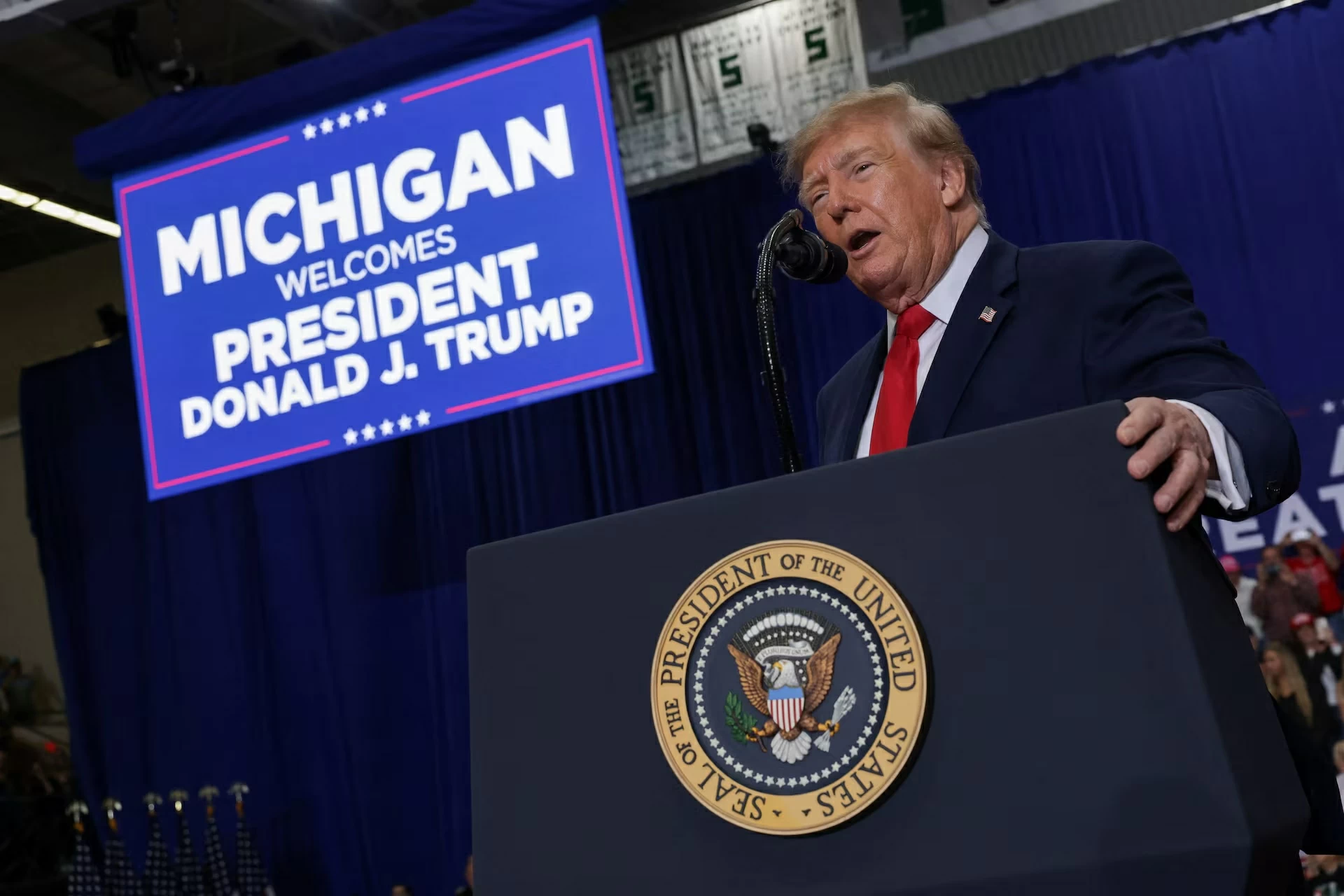
وفي مؤشر على حجم الاستقطاب السياسي، لوّح الرئيس دونالد ترمب باستخدام حق النقض «الفيتو» ضد مشاريع القوانين التي قد يمررها الكونغرس إذا تمكن الديمقراطيون من انتزاع الأغلبية، قائلاً إنه قد يضطر إلى أن يصبح «السيد فيتو»، عبر رفض التشريعات تباعاً إلى أن يدرك الديمقراطيون أن المواجهة التشريعية لا تحقق نتائج، ويتجهوا إلى التفاوض وإبرام الاتفاقات.
وأظهرت البيانات الرسمية المحدثة الصادرة عن «مختبر الانتخابات بجامعة فلوريدا» تسجيل أكثر من 51 مليون صوت حتى الآن في التصويت المبكر لانتخابات التجديد النصفي الأمريكية لعام 2026.
وتشير الأرقام والإحصاءات الصادرة عن الموقع إلى أن أكثر من 28 مليون ناخب أدلوا بأصواتهم حضورياً بينما صوّت ما يزيد على 23 مليون ناخب عبر البريد.
ويكثف ترمب تحركاته الانتخابية، بعقد تجمعات في ولايتي كانساس وأيوا، سعياً لتعزيز فرص الجمهوريين في الاحتفاظ بالسيطرة على الكونغرس، في ظل استطلاعات رأي تشير إلى أن تراجع شعبيته قد يمنح الديمقراطيين فرصة للفوز بالأغلبية في أحد المجلسين على الأقل، وربما المجلسين معاً.
لكن التحدي لا يقتصر على المنافسة الحزبية؛ إذ تحذر مصادر انتخابية وخبراء أمنيون من تراجع التنسيق الفيدرالي بشأن التهديدات الخارجية، رغم استمرار أجهزة الاستخبارات الأمريكية في رصد محاولات روسية وصينية وإيرانية للتأثير على الناخبين. وعزت المصادر في تقرير نشرته شبكة «سي إن إن» هذا التراجع إلى تقليص قدرات البرامج الفيدرالية، ولا سيما وكالة الأمن السيبراني وأمن البنية التحتية التابعة لوزارة الأمن الداخلي، التي لعبت دوراً محورياً في حماية الانتخابات خلال الولاية الأولى لترمب.
وواجهت محاولات إعادة بناء قنوات تبادل المعلومات صعوبات، من بينها تعثر إيجاز سري لمسؤولي الانتخابات في أكتوبر الماضي بسبب مشكلات تقنية، فضلاً عن إطلاق منصة إلكترونية جديدة لمشاركة معلومات التهديدات، لم تتضح بعد مستويات استخدامها أو مدى الثقة التي تحظى بها لدى المسؤولين المحليين.
وتفاقمت الشكوك، وفق المصادر، بفعل تبني الإدارة نظريات مؤامرة بشأن تزوير الانتخابات واستعدادها للتدخل في عمليات اقتراع تديرها الولايات، ما أثار مخاوف من تداخل الاعتبارات السياسية مع مسؤوليات حماية العملية الانتخابية. ونقل التقرير عن خبير الانتخابات ديفيد بيكر أن تبادل المعلومات وصل إلى حد التوقف تماماً.
وفي المقابل، لا تزال التهديدات الأجنبية حاضرة؛ إذ تركز روسيا، وفق تقييمات استخباراتية، على نشر معلومات مضللة تستهدف مرشحين ديمقراطيين، بينما تستهدف الصين مرشحين في منافسات محلية يُنظر إليهم باعتبارهم مناهضين لبكين. كما رُصدت مقاطع فيديو معدلة بالذكاء الاصطناعي تستهدف مرشحين ديمقراطيين، بينها مقطع يتضمن ادعاءً ملفقاً ضد جيم تالاريكو، مرشح الحزب الديمقراطي لمجلس الشيوخ في تكساس.
وتراقب واشنطن كذلك نشاط مجموعات إلكترونية موالية لروسيا، سبق أن استهدفت مواقع مرتبطة بالانتخابات، إلى جانب قراصنة وجهات إيرانية تنشط في نشر محتوى تحريضي. ورغم أن النشاط الإيراني ظل هادئاً نسبياً خلال الدورة الحالية، فإن الحرب بين واشنطن وطهران، وتهديدات ترمب بإعادة تصعيدها، يثيران مخاوف من تحوله إلى عامل يدفع تلك الجهات لتكثيف تدخلها.
وبين الاستقطاب الداخلي وتراجع التنسيق الأمني واستمرار محاولات التأثير الخارجي، تواجه الانتخابات اختباراً يتجاوز تحديد هوية الحزب المسيطر على الكونغرس، ليطال الثقة في سلامة العملية الديمقراطية وقدرة المؤسسات الأمريكية على حماية نتائجها.
The United States is entering the final days before the midterm elections for Congress, scheduled for (Tuesday), amidst a complex political and security landscape, where the battle between Republicans and Democrats for legislative majority intertwines with rising concerns over foreign interference and electronic disinformation campaigns. This comes at a time when the coordination channels between the federal government and state election officials are at their weakest since the 2016 elections, according to electoral sources who spoke to CNN.
In a sign of the extent of political polarization, President Donald Trump has threatened to use his veto power against any bills that Congress may pass if Democrats manage to seize the majority, stating that he may have to become “Mr. Veto,” rejecting legislation one after another until Democrats realize that legislative confrontation yields no results and turn to negotiation and agreements.
Updated official data from the “Election Lab at the University of Florida” shows that more than 51 million votes have been cast so far in early voting for the 2026 U.S. midterm elections.
The figures and statistics released by the site indicate that over 28 million voters have cast their votes in person, while more than 23 million voters have voted by mail.
Trump is intensifying his campaign activities by holding rallies in Kansas and Iowa, seeking to bolster Republican chances of retaining control of Congress, amid polls suggesting that his declining popularity may give Democrats a chance to win a majority in at least one of the chambers, and possibly both.
However, the challenge is not limited to party competition; electoral sources and security experts warn of a decline in federal coordination regarding external threats, despite U.S. intelligence agencies continuing to monitor Russian, Chinese, and Iranian attempts to influence voters. The sources attributed this decline in a report published by CNN to the reduction of federal program capabilities, particularly the Cybersecurity and Infrastructure Security Agency of the Department of Homeland Security, which played a crucial role in protecting elections during Trump’s first term.
Efforts to rebuild information-sharing channels have faced difficulties, including a failed classified briefing for election officials last October due to technical issues, as well as the launch of a new electronic platform for sharing threat information, the usage levels of which and the trust it enjoys among local officials remain unclear.
According to the sources, suspicions have been exacerbated by the administration’s adoption of conspiracy theories regarding election fraud and its readiness to intervene in state-run voting processes, raising concerns about the overlap of political considerations with the responsibilities of protecting the electoral process. The report quoted election expert David Becker as saying that information sharing has come to a complete halt.
Conversely, foreign threats remain present; Russia, according to intelligence assessments, is focusing on spreading disinformation targeting Democratic candidates, while China is targeting candidates in local races viewed as anti-Beijing. AI-modified videos targeting Democratic candidates have also been detected, including one containing a fabricated claim against Jim Talarico, the Democratic candidate for the Senate in Texas.
Washington is also monitoring the activities of pro-Russian electronic groups that have previously targeted election-related sites, alongside Iranian hackers and entities active in spreading incendiary content. Although Iranian activity has remained relatively quiet during the current cycle, the ongoing conflict between Washington and Tehran, along with Trump’s threats to escalate it, raises concerns that it could become a factor prompting these entities to intensify their interference.
Amid internal polarization, declining security coordination, and ongoing attempts at external influence, the elections face a test that goes beyond determining which party will control Congress, extending to trust in the integrity of the democratic process and the ability of American institutions to protect its outcomes.