
رغم تجدّد المواجهات بين أمريكا وإيران، أكد المتحدث باسم وزارة الخارجية الباكستانية طاهر أندرابي، اليوم (الأربعاء)، أن إسلام أباد منخرطة في محادثات مع الولايات المتحدة وإيران؛ بهدف إنهاء الحرب الدائرة بينهما، وهي على ثقة من أن البلدين سيعودان إلى طاولة الحوار.
وقال أندرابي خلال مؤتمر صحفي دوري إن زيارة قائد الجيش الباكستاني عاصم منير إلى طهران الشهر الماضي أحدثت زخماً كبيراً بشأن قضية مضيق هرمز، معرباً عن قلق بلاده إزاء التصعيد بين الجانبين.
وأضاف: «ما يجري أمر غير مرغوب فيه، لكننا سنبقى منخرطين في الحوار، وما زلنا متفائلين بأن الطرفين سيعودان إلى طاولة الحوار».
وتأتي تصريحات باكستان في الوقت الذي وضع وزير الخزانة الأمريكية سكوت بيسنت أمام طهران ثلاثة خيارات، تتمثّل في انقلاب الحرس الثوري على نفسه، أو انقلاب الشعب عليه، أو عودة طهران إلى طاولة المفاوضات للتوصل إلى اتفاق يمكنها الالتزام به.
وأوضح بيسنت أن طهران تعيش حالة من الذعر تدفعها نحو العمل العسكري تحت وطأة الضغوط الاقتصادية، مبيناً أن التفاهمات الدبلوماسية السابقة انهارت؛ لأن إيران لم تكن مستعدة لإبرام اتفاق قابل للتطبيق. ولفت بيسنت إلى أن إيران لا تسيطر على مضيق هرمز، مؤكداً أن الولايات المتحدة هي التي تفرض سيطرتها على الممر البحري في ظل تدهور الاقتصاد الإيراني. ونفى بيسنت التقارير المتعلقة بمخاطر ملاحية في المضيق، مؤكداً عدم وجود ألغام بحرية هناك، وأن سفينتين لم تصطدما بألغام. وأوضح أن العقوبات والحصار الاقتصادي يخنقان طهران، لافتاً إلى أن انهيار الاقتصاد الإيراني مسألة وقت.
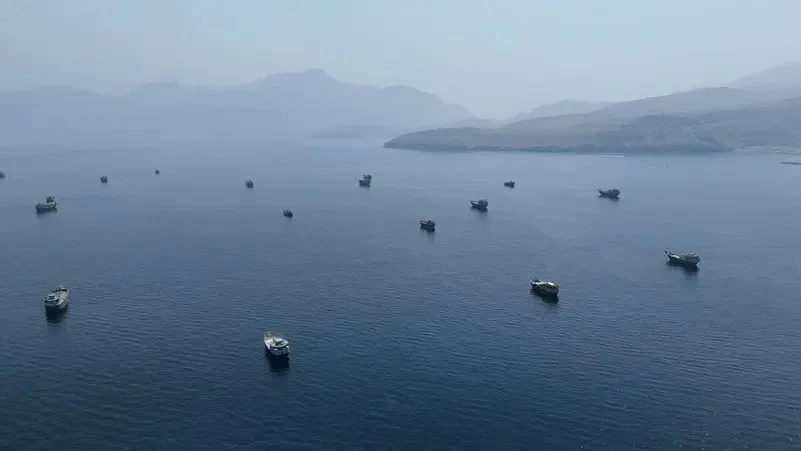
في غضون ذلك، أظهرت بيانات شحن أولية صدرت اليوم أن أربع سفن لنقل السلع الأساسية عبرت مضيق هرمز أمس، بانخفاض عن 10 سفن في اليوم السابق، ودون متوسط آخر 10 أيام البالغ نحو 13 سفينة.
وأشارت البيانات الأولية الصادرة عن كبلر، المتخصصة في تتبع حركة السفن، في الساعة 02:00 بتوقيت غرينتش، إلى أن السفن الأربع التي عبرت المضيق هي ناقلة نفط خام ضخمة، وناقلة بحجم بنماكس، وناقلة بحجم كامسارماكس، وناقلة متوسطة الحجم. وكانت إحدى السفن الأربع تدخل المضيق، بينما كانت ثلاث سفن مغادرة، فيما عبرت 18 سفينة لنقل السلع الأساسية مضيق باب المندب أمس، وهو نقطة عبور رئيسية أخرى في الشرق الأوسط، منها سبع سفن دخلت المضيق، و11 سفينة غادرته.
Despite the renewed confrontations between the US and Iran, the spokesperson for the Pakistani Foreign Ministry, Tahir Andrabi, confirmed today (Wednesday) that Islamabad is engaged in talks with both the United States and Iran to end the ongoing war between them, and it is confident that the two countries will return to the negotiating table.
Andrabi stated during a regular press conference that the visit of the Pakistani army chief, Asim Munir, to Tehran last month created significant momentum regarding the Strait of Hormuz issue, expressing his country’s concern over the escalation between the two sides.
He added: “What is happening is undesirable, but we will remain engaged in dialogue, and we are still optimistic that both parties will return to the negotiating table.”
Pakistan’s statements come at a time when US Treasury Secretary Scott Pisent presented Tehran with three options: a coup by the Revolutionary Guard against itself, a coup by the people against it, or Tehran’s return to the negotiating table to reach an agreement it can commit to.
Pisent explained that Tehran is in a state of panic that drives it towards military action under the pressure of economic strains, indicating that previous diplomatic understandings collapsed because Iran was not ready to conclude a viable agreement. Pisent pointed out that Iran does not control the Strait of Hormuz, emphasizing that it is the United States that imposes its control over the maritime passage amid the deterioration of the Iranian economy. He denied reports regarding maritime risks in the strait, asserting that there are no naval mines there, and that two ships did not collide with mines. He clarified that sanctions and economic blockade are suffocating Tehran, noting that the collapse of the Iranian economy is a matter of time.
Meanwhile, preliminary shipping data released today showed that four vessels carrying essential goods crossed the Strait of Hormuz yesterday, down from 10 vessels the day before, and below the average of the last 10 days, which was about 13 vessels.
The preliminary data issued by Kpler, which specializes in tracking ship movements, at 02:00 GMT, indicated that the four vessels that crossed the strait included a large crude oil tanker, a Panamax-sized tanker, a Kamsarmax-sized tanker, and a medium-sized tanker. One of the four ships was entering the strait, while three were leaving, whereas 18 vessels carrying essential goods crossed the Bab el-Mandeb strait yesterday, which is another major crossing point in the Middle East, including seven ships entering the strait and 11 ships leaving it.