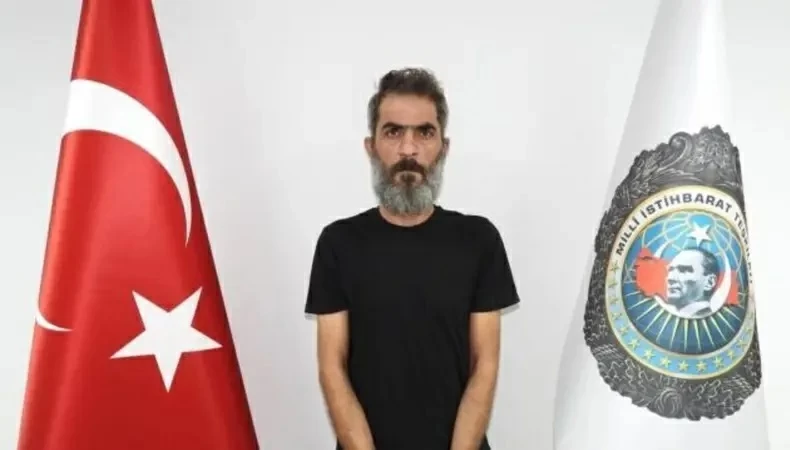

أعلنت الاستخبارات التركية توقيف السوري عمر الخطيب، المتهم بالضلوع في التخطيط والتنظيم لهجوم الريحانية بولاية هاتاي عام 2013، الذي أوقع 53 قتيلاً وعشرات المصابين.
ونقلت وكالة «الأناضول»، عن مصادر أمنية قولها: إن جهاز الاستخبارات التركي «MIT» اعتقل الخطيب أثناء محاولته مغادرة تركيا بحراً باتجاه أوروبا، قبل أن يعيده إلى البلاد للتحقيق معه.
ووفقاً لقناة «تي آر تي» الحكومية، فإن الخطيب شارك في الإعداد للهجوم، وتولى، بحسب المعلومات التي أوردتها السلطات التركية، مهمة التنسيق بين منفذي العملية وعناصر الاستخبارات العسكرية التابعة لنظام الرئيس السوري المخلوع بشار الأسد.
وتعود تفاصيل القضية إلى عام 2013، حين التقى الخطيب كلاً من يوسف نازك وكفاح ملهم، وبحث معهم تفاصيل العملية، بحسب صحيفة «جمهورييت». وأوضحت الصحيفة أن الخطيب ونازك دخلا الأراضي التركية عبر هاتاي في فبراير من العام نفسه، وحددا أهدافاً محتملة للهجوم قبل الحصول على الموافقة لتنفيذه.
وبحسب «تي آر تي خبر»، توجه الخطيب في مايو 2013 إلى فرع الاستخبارات العسكرية في اللاذقية برفقة تيمر دوكانجي، حيث تسلما معدات استخدمت في تجهيز العبوة الناسفة، وبعد ذلك نُقلت سيارة مفخخة إلى الريحانية، قبل تفجيرها عن بُعد.
وقالت الاستخبارات التركية إنها أبقت الخطيب تحت المتابعة منذ وقوع الهجوم، وتمكنت من تحديد تحركاته، قبل تنفيذ عملية توقيفه إثر رصد محاولته الفرار إلى أوروبا.
ويأتي توقيف الخطيب بعد سلسلة اعتقالات نفذتها السلطات التركية بحق أشخاص تتهمهم بالارتباط بالهجوم، بينهم يوسف نازك الذي أوقف عام 2018، وجنكيز سرتال في 2024، ومحمد ديب كورالي وتيمر دوكانجي في 2025.
ووقع هجوم الريحانية في 11 مايو 2013، عندما انفجرت سيارتان مفخختان في القضاء الواقع بولاية هاتاي قرب الحدود السورية، ما أسفر عن مقتل 53 شخصاً. وكانت المنطقة آنذاك إحدى أبرز نقاط العبور بين تركيا وسورية، في ظل تصاعد الحرب السورية وتزايد تدفق اللاجئين إلى الأراضي التركية.
The Turkish intelligence announced the arrest of Syrian Omar Al-Khatib, who is accused of being involved in the planning and organization of the Reyhanlı attack in Hatay province in 2013, which resulted in 53 deaths and dozens of injuries.
According to the Anadolu Agency, security sources stated that the Turkish intelligence agency “MIT” arrested Al-Khatib while he was attempting to leave Turkey by sea towards Europe, before returning him to the country for interrogation.
According to the state-run TRT channel, Al-Khatib participated in the preparation for the attack and was responsible, according to information provided by Turkish authorities, for coordinating between the perpetrators of the operation and the military intelligence elements of the ousted Syrian President Bashar Al-Assad.
The details of the case date back to 2013, when Al-Khatib met with both Yusuf Nazik and Kifah Mulhem, discussing the details of the operation, according to the Cumhuriyet newspaper. The newspaper clarified that Al-Khatib and Nazik entered Turkish territory via Hatay in February of the same year and identified potential targets for the attack before obtaining approval to carry it out.
According to TRT Haber, Al-Khatib went in May 2013 to the military intelligence branch in Latakia accompanied by Timer Doukanji, where they received equipment used in preparing the explosive device, and afterward, a car bomb was transported to Reyhanlı before being detonated remotely.
The Turkish intelligence stated that it had kept Al-Khatib under surveillance since the attack occurred and was able to identify his movements before executing the operation to arrest him after monitoring his attempt to flee to Europe.
The arrest of Al-Khatib comes after a series of arrests carried out by Turkish authorities against individuals they accuse of being linked to the attack, including Yusuf Nazik, who was arrested in 2018, Cengiz Sertel in 2024, and Mohammad Dib Korali and Timer Doukanji in 2025.
The Reyhanlı attack occurred on May 11, 2013, when two car bombs exploded in the district located in Hatay province near the Syrian border, resulting in the deaths of 53 people. At that time, the area was one of the main crossing points between Turkey and Syria, amid the escalation of the Syrian war and the increasing flow of refugees into Turkish territory.