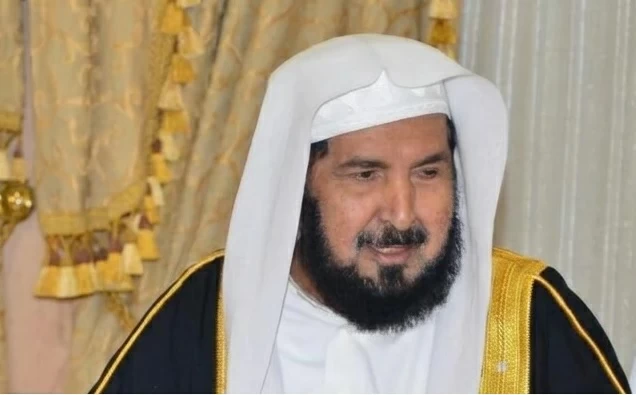

رحم الله الدكتور راشد بن راجح الشريف، الذي غادر دنيانا بعد مسيرة طويلة من العلم والعمل والعطاء، تاركاً وراءه سيرة وطنية مضيئة، وأثراً لا يختصره منصب تولاه، ولا مرحلة إدارية قادها، ولا مؤسسة شارك في بنائها؛ فقد كان واحداً من أولئك الرجال الذين حولوا حياتهم إلى مهمة وطنية، وكرسوا نجاحهم لإلهام من بعدهم.
بالنسبة لي، كما لكثير من أبناء محافظة تربة، لم يكن الدكتور راشد الراجح مجرد اسم بارز في تاريخ التعليم العالي، أو أول مدير لجامعة أم القرى، بل كان نموذجاً حياً على الطموح الذي لا يحده شيء، والتوازن بين التمسك بالجذور والتقاليد والانفتاح على العالم، وأنه بإمكان أي فرد شاباً كان أم فتاة في أرجاء هذا الوطن الغالي أن يتلقى العلم في أعرق الجامعات الغربية، ثم يعود أكثر ارتباطاً بوطنه وأهله وتمسكاً بمبادئه وقيمه.
ولد الراحل في قرية العلاوة بمحافظة تربة، وفقد والده وهو لم يتجاوز العاشرة من عمره، فنشأ في كنف والدته وأخيه الأكبر عابد، وبدأ تعليمه في مدرسة العلاوة على يد الشيخ عبدالمحسن بن زيد. ومن تلك البيئة البسيطة، التي لم تكن تملك في ذلك الوقت الإمكانات التي تحظى بها باقي الأماكن، بدأت رحلة علمية استثنائية قادته إلى الطائف ودار التوحيد، ثم إلى كلية الشريعة في مكة المكرمة، ومنها إلى جامعة كامبردج البريطانية، حيث حصل على الدكتوراه في فلسفة اللغة العربية ونحوها وقواعدها.
ذهب إلى كامبردج حاملاً هويته وقيمه وتقاليده، وعاد منها عالماً متمكناً، ووطنياً أكثر إيماناً بأن قيمة العلم تظهر حين يوضع في خدمة المجتمع والدولة. لم تقتلع التجربة الغربية جذوره، ولم تعزله المعرفة الحديثة عن بيئته، بل زادته وعياً بمسؤوليته تجاه وطنه ومحافظته وأبناء مجتمعه.
كان إسهامه الأكبر والأبقى مرتبطاً بجامعة أم القرى. فحين كان عميداً لكلية الشريعة، أدرك حاجة مكة المكرمة والمنطقة إلى التوسع في التعليم الجامعي، وأسهم في طرح فكرة تحويل كليتي الشريعة والتربية إلى جامعة متكاملة. وبعد صدور القرار بتأسيس جامعة أم القرى، اختير أول مدير لها، فقادها في مرحلة التأسيس والبناء، وهي أصعب مراحل المؤسسات وأكثرها احتياجاً إلى الرؤية والصبر والحكمة.
لقد وضع الفقيد كل جهده في بناء هوية جامعة أم القرى بثوبها الجديد، وعمد إلى توسيع كلياتها وبرامجها ودراساتها العليا. وعلى مدى اثني عشر عاماً، ارتبط اسمه بنمو الجامعة وترسيخ مكانتها، حتى أصبحت واحدة من أهم مؤسسات التعليم العالي في المملكة بل في العالم الإسلامي. وسيظل تاريخ أم القرى شاهداً على أن الدكتور راشد الراجح لم يكن مديراً عابراً في مسيرتها، بل كان أحد بُناتها التاريخيين، كما امتد عطاؤه بعد ذلك إلى مجلس الشورى، وهيئة حقوق الإنسان، ومركز الملك عبدالعزيز للحوار الوطني، والنادي الأدبي الثقافي بمكة المكرمة، وعدد من المجالس العلمية والثقافية. وفي كل تلك المواقع ظل منحازاً إلى العلم والمعرفة والحوار والوسطية، مؤمناً بأن بناء الإنسان هو الأساس الذي تقوم عليه نهضة الأوطان.
وعلى مستوى اهتمامه بمحافظة تربة فكل من ينتمي إليها يدرك أن الراحل رغم مسؤولياته ومكانته، لم ينسَ تربة التي أحبها وأحبته، حيث ظل اسمه حاضراً في وجدان أهلها، يشجع أبناءها على طلب العلم، ويمنحهم الثقة بأن الطريق إلى أعلى المراتب يبدأ من مقاعد الدراسة، وكانت هناك علاقة وفاء متبادلة بين رجل بار بمدينته الصغيرة، ومجتمع ظل يعتز بأحد أنجب أبنائه.
لقد ألهمني الدكتور راشد الراجح، كما ألهم كثيراً من أبناء تربة بسيرته التي جسدها في دروب العلم والمعرفة والعمل من أجل الوطن. برحيله فقدت أنا وكل من ألهمهم بعطائه وثقافته الموسوعية قامة علمية ووطنية كبيرة، لكن أمثال راشد الراجح لا يغيبون بالموت الذي كُتب على بني آدم، بل يحفرون تاريخهم الحافل في ذاكرة الجامعات والطلاب والمؤسسات والمكان الذي انتموا إليه. سيبقى اسمه في تربة عنواناً للطموح، وفي جامعة أم القرى شاهداً على التأسيس، وفي الوطن سيرة رجل جمع بين أصالة الجذور ورحابة المعرفة.
رحم الله الدكتور راشد بن راجح العبدلي الشريف، وغفر له، وجزاه عن العلم والوطن وأهله خير الجزاء، وألهم أسرته ومحبيه وتلاميذه وأبناء محافظة تربة الصبر والسلوان.
May God have mercy on Dr. Rashid bin Rajeh Al-Sharif, who left our world after a long journey of knowledge, work, and giving, leaving behind a luminous national legacy and an impact that cannot be summarized by any position he held, any administrative phase he led, or any institution he participated in building; he was one of those men who turned their lives into a national mission and dedicated their success to inspiring those who come after them.
For me, as for many of the people of Turbah Province, Dr. Rashid Al-Rajih was not just a prominent name in the history of higher education, or the first director of Umm Al-Qura University, but a living example of ambition that knows no bounds, and of the balance between holding on to roots and traditions while being open to the world. He showed that any individual, whether a young man or woman in this dear homeland, can receive education at the most prestigious Western universities and then return more connected to their homeland, their people, and committed to its principles and values.
The late Dr. Rashid was born in the village of Al-Alawah in Turbah Province and lost his father when he was not yet ten years old. He grew up under the care of his mother and his older brother, Abed, and began his education at Al-Alawah School under Sheikh Abdul Mohsen bin Zaid. From that simple environment, which at the time lacked the resources available in other places, began an exceptional academic journey that took him to Taif and Dar Al-Tawheed, then to the College of Sharia in Mecca, and from there to the University of Cambridge in the UK, where he obtained a PhD in the philosophy of the Arabic language and its grammar.
He went to Cambridge carrying his identity, values, and traditions, and returned as a knowledgeable scholar, more patriotic and convinced that the value of knowledge is realized when it is put in the service of society and the state. The Western experience did not uproot his roots, nor did modern knowledge isolate him from his environment; rather, it increased his awareness of his responsibility towards his homeland, his province, and the members of his community.
His greatest and most enduring contribution was linked to Umm Al-Qura University. When he was the dean of the College of Sharia, he recognized the need for Mecca and the region to expand higher education and contributed to the idea of transforming the Colleges of Sharia and Education into a comprehensive university. After the decision to establish Umm Al-Qura University was issued, he was chosen as its first director, leading it through the foundation and construction phase, which is the most challenging stage for institutions and requires vision, patience, and wisdom.
The deceased dedicated all his efforts to building the identity of Umm Al-Qura University in its new form, and he worked to expand its colleges, programs, and graduate studies. Over twelve years, his name became associated with the growth of the university and the establishment of its status, until it became one of the most important higher education institutions in the Kingdom and in the Islamic world. The history of Umm Al-Qura will remain a testament that Dr. Rashid Al-Rajih was not a transient director in its journey, but one of its historical builders. His contributions extended to the Shura Council, the Human Rights Commission, the King Abdulaziz Center for National Dialogue, the Cultural Literary Club in Mecca, and several scientific and cultural councils. In all these positions, he remained committed to knowledge, dialogue, and moderation, believing that building a person is the foundation upon which the renaissance of nations stands.
Regarding his interest in Turbah Province, everyone belonging to it knows that the late Dr. Rashid, despite his responsibilities and status, did not forget Turbah, which he loved and which loved him. His name remained present in the hearts of its people, encouraging its youth to seek knowledge and instilling in them the confidence that the path to the highest ranks begins from the classroom. There was a mutual bond of loyalty between a man devoted to his small city and a community that continued to take pride in one of its most distinguished sons.
Dr. Rashid Al-Rajih inspired me, as he inspired many from Turbah with his legacy embodied in the paths of knowledge, work, and service to the homeland. With his passing, I, along with all those he inspired with his contributions and encyclopedic culture, have lost a great scientific and national figure. However, individuals like Rashid Al-Rajih do not fade away with the death that is decreed upon humanity; rather, they etch their rich history in the memory of universities, students, institutions, and the places they belong to. His name will remain in Turbah as a symbol of ambition, in Umm Al-Qura University as a witness to its founding, and in the homeland as the legacy of a man who combined the authenticity of roots with the vastness of knowledge.
May God have mercy on Dr. Rashid bin Rajeh Al-Abdali Al-Sharif, forgive him, reward him for his contributions to knowledge, the homeland, and its people, and grant patience and solace to his family, loved ones, students, and the people of Turbah.