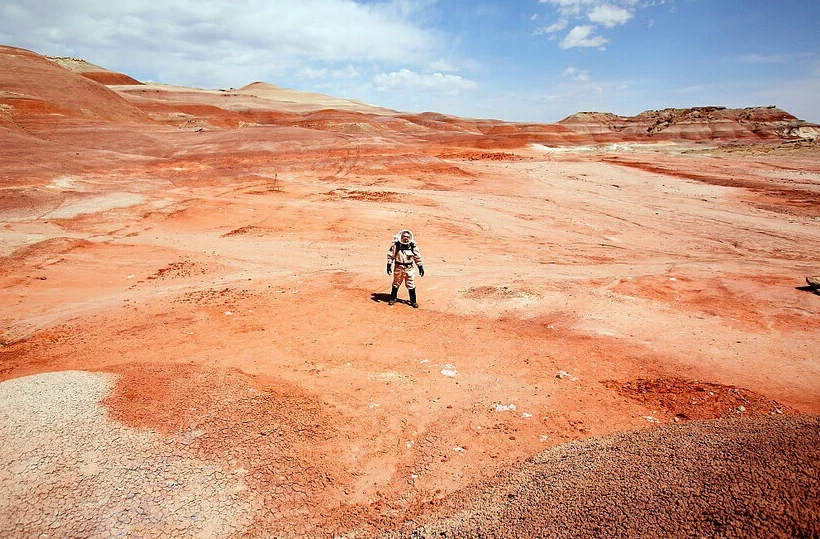

كشف العرّاف البرازيلي الشهير أثوس سالومي، المعروف بلقب (نوستراداموس الحي)، عن ست مناطق على كوكب الأرض يرى أنها تمثّل بيئات طبيعية يمكن أن تساعد العلماء في فهم ظروف العيش على سطح المريخ، وتمهّد الطريق أمام مهمات بشرية مستقبلية إلى الكوكب الأحمر.
وتواجه أي رحلة مأهولة إلى المريخ تحديات معقدة تبدأ من التعرُّض للإشعاع الشمسي وتغيّر الجاذبية، ولا تنتهي عند المدة الطويلة التي سيقضيها الرواد في الفضاء. وحتى بعد الوصول، سيعتمد البشر على أنظمة تقنية دقيقة للبقاء في درجات حرارة متجمدة، والحصول على الغذاء والماء، وتنفيذ المهام العلمية وسط عواصف ترابية وإشعاع كوني قاسٍ.
سالومي يرى أن الأرض نفسها توفر مختبرًا طبيعيًا واسعًا يمكن من خلاله محاكاة بيئات مشابهة للمريخ، مشيرًا إلى «أن وكالة (ناسا) تستخدم بالفعل مواقع مختلفة لاختبار المعدات والإجراءات قبل إرسالها إلى الفضاء».
وتشمل المناطق الست التي يرشحها سالومي: صحراء أتاكاما في تشيلي؛ الأكثر جفافًا على الكوكب. وجزيرة ديفون الكندية ذات التضاريس الصخرية الباردة. ووديان ماكموردو الجافة في القارة القطبية الجنوبية. وبركان مونا لوا في هاواي الذي يحتضن محطة محاكاة الحياة الفضائية HI-SEAS. إضافة إلى المناطق البركانية القاحلة في أيسلندا؛ وصحراء موهافي الأمريكية ذات المناخ الجاف والتضاريس الريحية.
ويؤكد سالومي أن أي موقع على الأرض لا يمكنه محاكاة المريخ بشكل كامل؛ نظرًا لاختلاف الغلاف الجوي والجاذبية ومستويات الإشعاع وتقلبات الحرارة، إلا أن الجمع بين هذه البيئات الطبيعية والمحاكيات الخاضعة للرقابة يمنح الباحثين أدوات أكثر دقة لفهم تحديات العيش خارج كوكب الأرض.
The famous Brazilian seer Athos Salome, known by the title (the living Nostradamus), has revealed six areas on Earth that he believes represent natural environments that can help scientists understand living conditions on the surface of Mars and pave the way for future human missions to the red planet.
Any manned mission to Mars faces complex challenges that begin with exposure to solar radiation and changes in gravity, and do not end with the long duration that astronauts will spend in space. Even after arrival, humans will rely on precise technical systems to survive in freezing temperatures, obtain food and water, and carry out scientific tasks amidst dust storms and harsh cosmic radiation.
Salome believes that Earth itself provides a vast natural laboratory through which environments similar to Mars can be simulated, pointing out that “NASA is already using various locations to test equipment and procedures before sending them into space.”
The six areas that Salome recommends include: the Atacama Desert in Chile; the driest place on the planet. Canada’s Devon Island with its cold rocky terrain. The dry McMurdo Valleys in Antarctica. Mauna Loa volcano in Hawaii, which hosts the HI-SEAS space life simulation station. In addition to the barren volcanic areas in Iceland; and the Mojave Desert in the United States with its dry climate and windy terrain.
Salome emphasizes that no site on Earth can fully simulate Mars; due to differences in the atmosphere, gravity, radiation levels, and temperature fluctuations, but combining these natural environments with controlled simulators provides researchers with more accurate tools to understand the challenges of living beyond Earth.