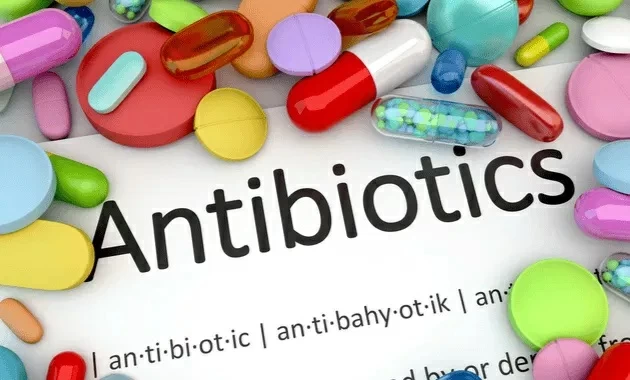

يسعى كثير من الأهالي إلى حماية أطفالهم عند الإصابة بالسعال أو التهاب الحلق، لكن اللجوء إلى المضادات الحيوية -من باب الاحتياط- قد يحوّل الدواء إلى مصدر ضرر، إذ تؤكد الأبحاث أن هذه الأدوية القوية تعمل فقط ضد العدوى البكتيرية ولا تؤثر إطلاقاً على الفايروسات التي تسبب معظم أمراض الجهاز التنفسي الشائعة مثل الإنفلونزا ونزلات البرد وكوفيد‑19.
ويحذّر الخبراء من خمسة أخطار رئيسة للتناول العشوائي للمضادات الحيوية؛ أبرزها تدمير الميكروبيوم المعوي؛ إذ تقضي هذه الأدوية على البكتيريا النافعة في الجهاز الهضمي، ما يؤدي إلى اضطرابات مزمنة قد تستمر لأشهر أو سنوات. كما تزيد فرص الإصابة بعدوى المطثية العسيرة؛ وهي بكتيريا خطيرة تسبب إسهالًا حادًا والتهابًا في القولون، ويصاب بها مئات الآلاف سنويًا حول العالم.
ويتضاعف خطر الحساسية الدوائية مع كل جرعة غير مبررة، وقد تصل ردود الفعل التحسسية إلى مستويات مهددة للحياة. وتسبب بعض الفئات الدوائية، مثل الفلوروكينولونات، إضعافًا مفاجئًا للأوتار والأنسجة الضامة، ما يؤدي إلى تمزقات ومشكلات في المفاصل. كما يؤدي اختلال التوازن بين البكتيريا والفطريات إلى ظهور التهابات فطرية مزمنة، مثل فطريات الفم والمهبل.
ويؤكد الأطباء أن المضادات الحيوية ليست علاجًا عامًا لكل مرض، وأن استخدامها دون حاجة طبية يسهم في ظهور مقاومة بكتيرية خطيرة، وهي حالة تصبح فيها البكتيريا قادرة على مقاومة الأدوية التي كانت فعالة سابقًا، ما يجعل العدوى أكثر صعوبة في العلاج ويزيد من فترات المرض وتكاليفه الصحية.
وينصح المختصون بالاعتماد على الفحوصات الدقيقة، مثل المسحة السريعة لالتهاب الحلق البكتيري، قبل اتخاذ قرار العلاج. أما الحالات الفايروسية فتتطلب الراحة، الإكثار من السوائل، واستخدام العلاجات المهدئة للأعراض، تجنبًا لإعطاء أدوية قوية قد تضر بالصحة العامة أكثر مما تنفع.
Many parents strive to protect their children when they suffer from a cough or sore throat, but resorting to antibiotics – out of caution – can turn the medication into a source of harm, as research confirms that these powerful drugs only work against bacterial infections and have no effect on the viruses that cause most common respiratory illnesses such as influenza, colds, and COVID-19.
Experts warn of five major dangers associated with the indiscriminate use of antibiotics; the most notable is the destruction of the gut microbiome; these drugs eliminate beneficial bacteria in the digestive system, leading to chronic disorders that may last for months or years. They also increase the chances of contracting Clostridium difficile infection; a dangerous bacterium that causes severe diarrhea and inflammation of the colon, affecting hundreds of thousands worldwide each year.
The risk of drug allergies multiplies with each unjustified dose, and allergic reactions can reach life-threatening levels. Some classes of drugs, such as fluoroquinolones, can cause sudden weakening of tendons and connective tissues, leading to tears and joint problems. Additionally, an imbalance between bacteria and fungi can lead to chronic fungal infections, such as oral and vaginal thrush.
Doctors emphasize that antibiotics are not a universal cure for every illness, and using them without a medical need contributes to the emergence of dangerous bacterial resistance, a condition in which bacteria become capable of resisting drugs that were previously effective, making infections harder to treat and increasing the duration and costs of illness.
Specialists recommend relying on accurate tests, such as rapid throat swabs for bacterial infections, before making a treatment decision. Viral cases require rest, increased fluid intake, and the use of symptom-relieving treatments, to avoid administering strong medications that may harm overall health more than they benefit.