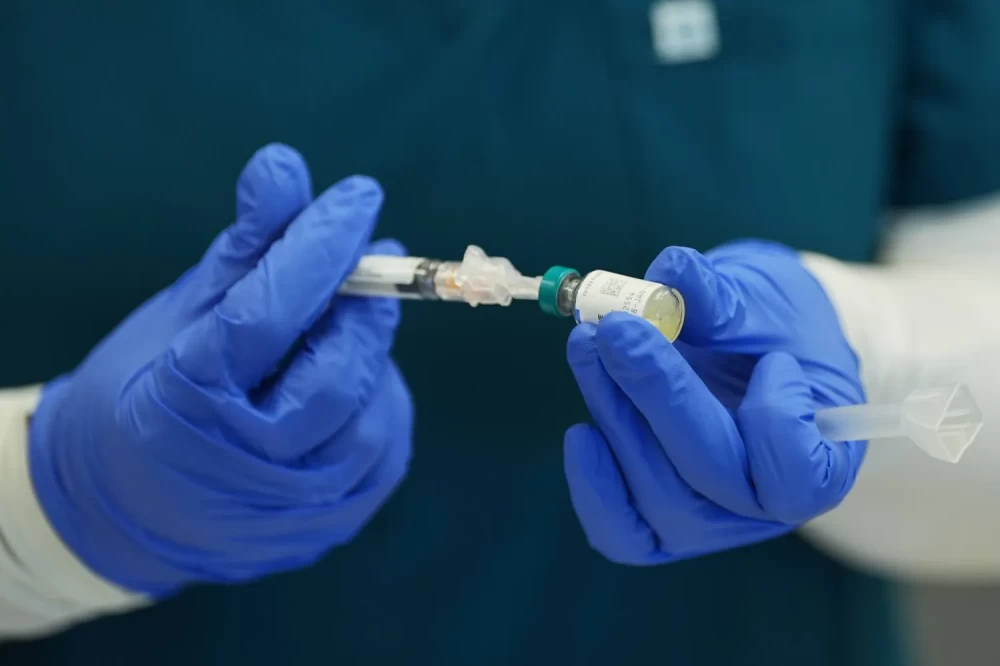

كشفت نتائج المرحلة الثالثة من تجربة سريرية دولية عن نجاح لقاح شخصي جديد يعتمد على تقنية الحمض النووي الريبي المرسال (mRNA) في خفض خطر عودة سرطان الجلد «الميلانوما» أو الوفاة بنسبة 42%، عند استخدامه إلى جانب العلاج المناعي المعتاد، في نتائج تجاوزت توقعات الباحثين وفتحت آفاقاً جديدة لعلاج السرطان.
وجرى الكشف عن النتائج خلال مؤتمر الجمعية الأوروبية لعلم الأورام الطبية لعام 2026، على لسان الباحثة الرئيسية في التجربة، اختصاصية الأورام جورجينا لونغ من معهد الميلانوما الأسترالي، وفقاً لموقع «ساينس أليرت».
واعتبرت لونغ أن النتائج تمثل تحولاً مهماً في علاج السرطان، من خلال تطوير لقاحات تستهدف الخصائص الجينية الفريدة للأورام لدى كل مريض، بما يساعد الجهاز المناعي على التعرف على الخلايا السرطانية ومهاجمتها.
من جانبه، وصف اختصاصي الأورام روبرت فوندرهايد، الرئيس المنتخب للجمعية الأمريكية لأبحاث السرطان، الذي لم يشارك في التجربة، النتائج بأنها من أبرز الإنجازات في مجال أبحاث السرطان، بحسب تصريحات نقلتها صحيفة «نيويورك تايمز».
كيف يعمل اللقاح؟
وطورت شركتا «موديرنا» و«ميرك» اللقاح بهدف منع عودة سرطان الميلانوما بعد استئصال الورم جراحياً، إذ يعتمد على تحليل التسلسل الجيني للورم وتحديد الطفرات التي تميزه عن الخلايا السليمة، ثم تصميم لقاح خاص بكل مريض لتدريب جهازه المناعي على التعرف على الخلايا السرطانية.
ويستخدم اللقاح تقنية الرنا المرسال لتوجيه خلايا الجسم إلى إنتاج مؤشرات جزيئية تساعد الجهاز المناعي على تحديد الخلايا المستهدفة، فيما يعمل العلاج المناعي المصاحب على تعطيل الآليات التي تستخدمها الأورام للتهرب من الاستجابة المناعية.
نتائج مشجعة
وشملت التجربة السريرية، المعروفة باسم «INTerpath-001»، أكثر من 1100 مريض في 157 مركزاً حول العالم، وأكدت نتائجها الاتجاه الإيجابي الذي أظهرته المرحلة الثانية من التجارب، المنشورة عام 2024.
وأظهرت النتائج انخفاض خطر عودة المرض أو الوفاة بنسبة 42% لدى المرضى الذين تلقوا اللقاح مع العلاج المناعي، مقارنة بمن تلقوا العلاج المناعي وحده.
كما بلغ انخفاض الخطر 58% في تحليل شمل المرضى الذين ظلوا خالين من السرطان بعد مرور ستة أشهر على بدء العلاج.
ورغم النتائج الواعدة، لم يحصل اللقاح حتى الآن على الموافقات اللازمة لإتاحته للمرضى في أستراليا أو الولايات المتحدة، إذ لا تزال النتائج تخضع للمراجعة التنظيمية، وهي إجراءات قد تستغرق سنوات بحسب متطلبات كل دولة.
وتبرز أهمية هذه النتائج في أستراليا، التي تسجل أحد أعلى معدلات الإصابة بسرطان الجلد عالمياً، مع وفاة شخص بسبب المرض كل ست ساعات تقريباً.
آفاق علاجية جديدة
ويأمل اختصاصي الأورام في معهد الميلانوما الأسترالي أليكس مينزيز أن تفتح هذه التقنية المجال لعلاج المرضى المصابين بمراحل متقدمة من الميلانوما، إلى جانب أنواع أخرى من السرطان لا تستجيب بصورة كافية للعلاجات المناعية الحالية.
وتأتي النتائج في وقت أخفقت فيه تجارب عشوائية حديثة للقاحات تعتمد على تقنية الرنا المرسال، استهدفت سرطان القولون والمستقيم وسرطان الرأس والرقبة، في تحقيق انخفاض ملموس في معدلات عودة المرض.
وترى لونغ أن الجمع بين اللقاحات المصممة وفق البصمة الجينية لكل ورم والعلاجات المناعية قد يعزز قدرة الجهاز المناعي على اكتشاف الخلايا السرطانية المتبقية والقضاء عليها، مشبهةً الأثر المحتمل لهذه التقنية في علاج السرطان بالتحول الذي أحدثه البريد الإلكتروني في وسائل التواصل.
The results of the third phase of an international clinical trial revealed the success of a new personalized vaccine based on messenger RNA (mRNA) technology in reducing the risk of recurrence of skin cancer “melanoma” or death by 42%, when used alongside standard immunotherapy, with results surpassing researchers’ expectations and opening new horizons for cancer treatment.
The results were announced during the European Society for Medical Oncology conference in 2026, by the lead researcher of the trial, oncologist Georgina Long from the Australian Melanoma Institute, according to the website “Science Alert”.
Long considered the results to represent a significant shift in cancer treatment, through the development of vaccines that target the unique genetic characteristics of tumors in each patient, helping the immune system recognize and attack cancer cells.
For his part, oncologist Robert Fondraheid, the elected president of the American Association for Cancer Research, who did not participate in the trial, described the results as one of the most significant achievements in cancer research, according to statements reported by the “New York Times”.
How Does the Vaccine Work?
The vaccine was developed by “Moderna” and “Merck” to prevent the recurrence of melanoma after surgical tumor removal, relying on the genetic sequencing analysis of the tumor and identifying the mutations that distinguish it from healthy cells, then designing a specific vaccine for each patient to train their immune system to recognize cancer cells.
The vaccine uses mRNA technology to instruct the body’s cells to produce molecular indicators that help the immune system identify the target cells, while the accompanying immunotherapy works to disable the mechanisms that tumors use to evade the immune response.
Encouraging Results
The clinical trial, known as “INTerpath-001,” included more than 1,100 patients across 157 centers worldwide, and its results confirmed the positive trend shown in the second phase of trials published in 2024.
The results showed a 42% reduction in the risk of disease recurrence or death among patients who received the vaccine with immunotherapy, compared to those who received immunotherapy alone.
The reduction in risk reached 58% in an analysis that included patients who remained cancer-free six months after starting treatment.
Despite the promising results, the vaccine has not yet received the necessary approvals for availability to patients in Australia or the United States, as the results are still undergoing regulatory review, a process that may take years depending on the requirements of each country.
The importance of these results is highlighted in Australia, which records one of the highest rates of skin cancer globally, with one person dying from the disease approximately every six hours.
New Therapeutic Horizons
Oncologist Alex Menzies from the Australian Melanoma Institute hopes that this technology will open avenues for treating patients with advanced stages of melanoma, alongside other types of cancer that do not respond adequately to current immunotherapies.
The results come at a time when recent randomized trials of vaccines based on mRNA technology targeting colorectal cancer and head and neck cancer have failed to achieve a significant reduction in disease recurrence rates.
Long believes that combining vaccines designed according to the genetic fingerprint of each tumor with immunotherapies may enhance the immune system’s ability to detect and eliminate remaining cancer cells, likening the potential impact of this technology in cancer treatment to the transformation that email brought to communication.