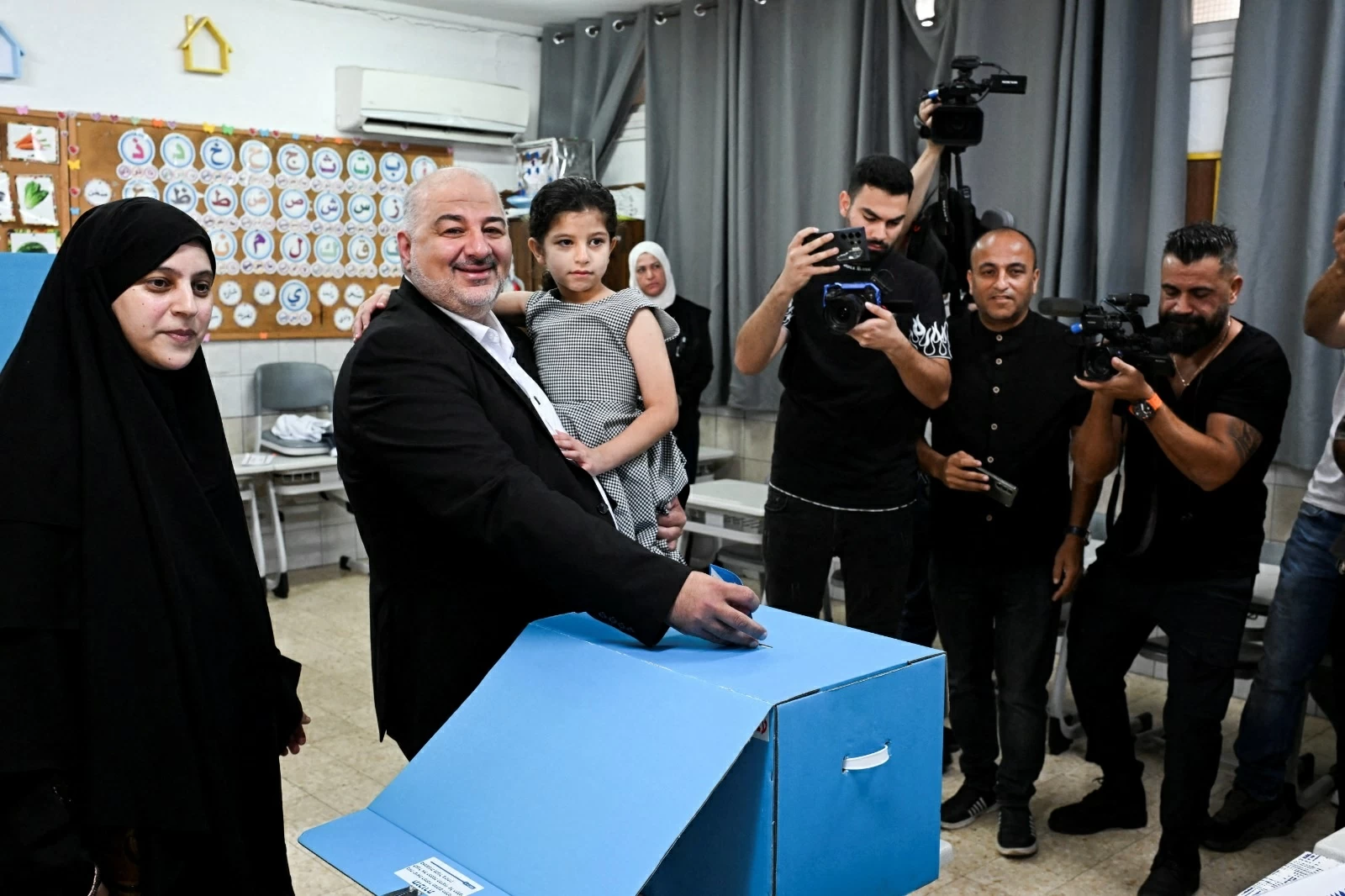

أدخلت نتائج الانتخابات الإسرائيلية البلاد في مرحلة جديدة من الغموض السياسي، بعدما أخفق معسكر رئيس الوزراء بنيامين نتنياهو وتحالف المعارضة بقيادة غادي آيزنكوت في حصد الأغلبية البرلمانية اللازمة لتشكيل الحكومة، ما يفتح الباب أمام مفاوضات معقدة قد تمتد أسابيع أو أشهراً، وسط مخاوف من العودة إلى دوامة الانتخابات المتكررة.
النتائج النهائية للانتخابات
وأظهرت النتائج النهائية حصول معسكر نتنياهو، الذي يضم حزب «الليكود» وأحزاب اليمين المتشدد، على 53 مقعداً، مقابل 48 مقعداً لتحالف المعارضة، فيما حصدت القائمتان العربيتان «الموحدة» و«المشتركة» 19 مقعداً، في أكبر تمثيل برلماني لفلسطينيي الداخل على الإطلاق. وتحتاج أي حكومة إلى 61 مقعداً من أصل 120 في الكنيست لضمان الأغلبية.
ورغم تراجع معسكر نتنياهو عن مقاعده الـ64 في انتخابات 2022، فإن رئيس الوزراء لم يفقد فرصته في البقاء بالسلطة، خصوصاً أن المعارضة لم تتمكن من تحقيق فوز حاسم ينهي حكمه.
آيزنكوت أمام اختبار التحالفات
ومن المتوقع أن يتولى الرئيس الإسرائيلي إسحاق هرتسوج، بعد اعتماد النتائج رسمياً في 4 نوفمبر، إجراء مشاورات مع قادة الأحزاب لتحديد الشخصية الأكثر قدرة على تشكيل الحكومة، وسط ترجيحات بتكليف آيزنكوت بالمهمة الأولى.
لكن الطريق أمام زعيم المعارضة يبدو محفوفاً بالعقبات، إذ يحتاج إلى استقطاب قوى إضافية لتأمين أغلبية برلمانية، وقد يتمكن نظرياً من بلوغ 67 مقعداً إذا تحالف مع القائمتين العربيتين، اللتين تمتلكان 19 مقعداً.
إلا أن هذا الخيار يصطدم برفض عدد من حلفائه، وفي مقدمتهم نفتالي بينيت وأفيجدور ليبرمان، تشكيل حكومة تعتمد على الأحزاب العربية. كما يواجه آيزنكوت خلافات أخرى تتعلق بفرض الخدمة العسكرية على الحريديم وإمكانية تشكيل حكومة وحدة وطنية مع نتنياهو.
الأحزاب العربية.. مفتاح الحكومة
وأعادت النتائج الأحزاب العربية إلى واجهة المشهد السياسي بوصفها رقماً صعباً في معادلة تشكيل الحكومة، بعدما حققت حضوراً قياسياً قد يمنحها دور «صانع الملوك».
لكن هذا الدور يواجه رفضاً واسعاً داخل الأحزاب اليهودية، حتى في معسكر المعارضة، فيما تجنب آيزنكوت تقديم التزامات واضحة بشأن التحالف معها، وأكد خلال حملته أن هذه الأحزاب لا تستوفي شروط المشاركة في حكومته.
الجمود يمنح نتنياهو فرصة جديدة
وفي ظل تعثر المفاوضات، قد يكون نتنياهو المستفيد الأكبر من استمرار الانسداد السياسي، إذ سيظل رئيساً لحكومة تصريف الأعمال حتى تشكيل حكومة جديدة، محتفظاً بفرصة إعادة ترتيب تحالفاته واستمالة نواب من المعسكر المنافس.
وتعيد هذه النتائج إلى الأذهان أزمة الجمود السياسي بين عامي 2019 و2022، حين شهدت إسرائيل خمسة انتخابات متتالية دون استقرار حكومي.
ومع تمسك هرتسوج بضرورة تجنب انتخابات جديدة، تبدو إسرائيل أمام مفاوضات شاقة، تتداخل فيها الحسابات الحزبية مع الخلافات الأيديولوجية، فيما يبقى مصير الحكومة معلقاً بين تحالفات مستبعدة وتسويات صعبة واحتمال العودة إلى صناديق الاقتراع.
The results of the Israeli elections have plunged the country into a new phase of political uncertainty, as Prime Minister Benjamin Netanyahu’s camp and the opposition coalition led by Gadi Eisenkot failed to secure the parliamentary majority needed to form a government, opening the door to complex negotiations that may extend for weeks or months, amid fears of returning to a cycle of repeated elections.
The final election results
The final results showed that Netanyahu’s camp, which includes the Likud party and far-right parties, secured 53 seats, compared to 48 seats for the opposition coalition, while the two Arab lists, “United” and “Joint,” garnered 19 seats, marking the largest parliamentary representation for Palestinians in Israel ever. Any government needs 61 seats out of 120 in the Knesset to ensure a majority.
Despite Netanyahu’s camp dropping from 64 seats in the 2022 elections, the Prime Minister has not lost his chance to remain in power, especially since the opposition failed to achieve a decisive victory that would end his rule.
Eisenkot faces the coalition test
Israeli President Isaac Herzog is expected to conduct consultations with party leaders to determine the most capable figure to form the government after the results are officially approved on November 4, with indications that Eisenkot will be tasked with the primary mission.
However, the path ahead for the opposition leader appears fraught with obstacles, as he needs to attract additional forces to secure a parliamentary majority, and theoretically, he could reach 67 seats if he allies with the two Arab lists, which hold 19 seats.
Yet this option faces rejection from several of his allies, notably Naftali Bennett and Avigdor Lieberman, who oppose forming a government reliant on Arab parties. Eisenkot also faces other disagreements regarding the imposition of military service on the Haredim and the possibility of forming a national unity government with Netanyahu.
The Arab parties… the key to the government
The results have brought the Arab parties back to the forefront of the political scene as a significant factor in the government formation equation, having achieved a record presence that may grant them the role of “kingmakers.”
However, this role faces widespread rejection within Jewish parties, even in the opposition camp, while Eisenkot has avoided making clear commitments regarding an alliance with them, asserting during his campaign that these parties do not meet the criteria for participation in his government.
Stalemate gives Netanyahu a new opportunity
Amid stalled negotiations, Netanyahu may be the biggest beneficiary of the ongoing political deadlock, as he will remain the head of a caretaker government until a new government is formed, retaining the opportunity to rearrange his alliances and sway deputies from the opposing camp.
These results bring to mind the political stalemate crisis between 2019 and 2022, when Israel witnessed five consecutive elections without governmental stability.
With Herzog insisting on the necessity of avoiding new elections, Israel appears to be facing arduous negotiations, where party calculations intertwine with ideological disputes, while the fate of the government hangs in the balance between unlikely alliances, difficult compromises, and the possibility of returning to the ballot boxes.