
LONDON: On Friday, it was reported that an independent commission had found Manchester City guilty of 114 of the 115 charges brought by the Premier League over alleged breaches of its financial regulations.
The case is not yet over, with the club set to appeal the decision. But it starts — or perhaps ends — another chapter in the story of Arab-backed European football clubs. Here are some of the other standout tenures.
Paris Saint-Germain
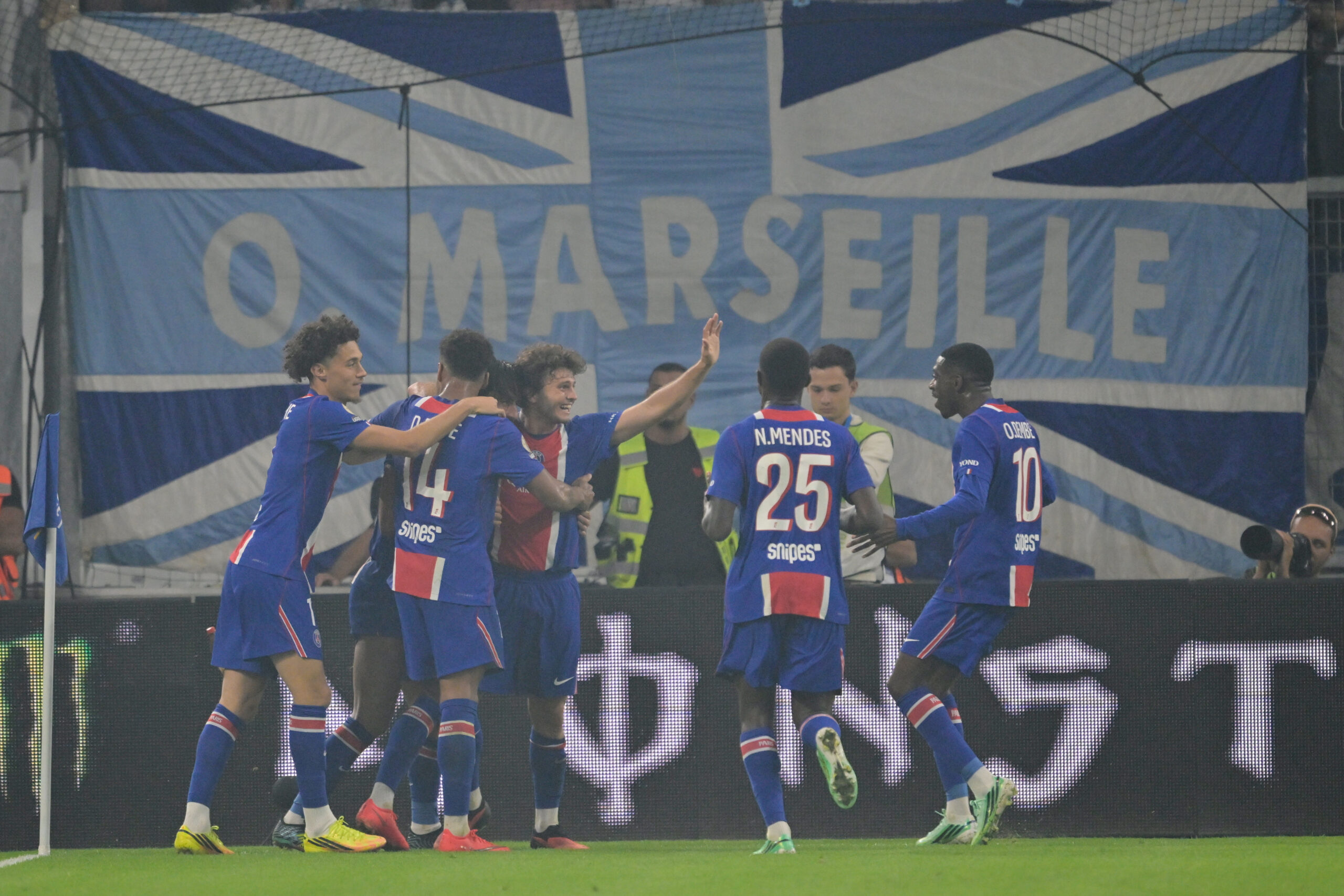
In 2011, Qatar Sports Investment acquired a majority stake in Paris Saint-Germain, an underachieving club in the French capital, and became sole owner in the following year. It took time to get going. PSG had not won the French title since 1994 — but that changed in 2013 as the championship finally returned to Parc des Princes.
What the owners really wanted, though, was European success. They started splashing out large amounts of money, attracting big names such as Zlatan Ibrahimovic, Thiago Silva and Edinson Cavani as the domestic titles continued to roll in.
The spending moved to the next level in 2017. In came 18-year-old Kylian Mbappe from AS Monaco on a season-long loan that became a permanent transfer with a fee of €180 million. A bigger deal was Neymar; the Brazilian came in for a world record fee of €222 million.
Such outlays led to accusations that the club was distorting the transfer market and it is striking that, nine years on, as the Premier League has never had so much money, Neymar’s fee is still the world record and Mbappe is second.
When Lionel Messi joined in 2021, it was assumed the European title would finally come but, despite some high-profile near misses, fans still had to wait. PSG finally won the Champions League in 2025 and retained the trophy in May 2026, beating Arsenal on penalties in Budapest. The back-to-back successes marked a newer strategy built less around assembling the world’s most famous forwards and more around squad balance, recruitment and Luis Enrique’s coaching. Most pundits believe the club will make it three in a row in 2027.
Newcastle United
In 2021, a Saudi-led takeover of Newcastle United seemed the ideal choice. Like PSG and Manchester City, the English club had potential but struggled to turn it into success on the pitch. Newcastle attracted more than 50,000 fans to their city center stadium per game but gave them little about which they could cheer. The sky could be the limit.
The problem was that the environment had changed. In 2008, Manchester City could spend what they liked as they started to build a team that could challenge for the Premier League title, just as Chelsea did in 2003 when they were bought by Russian oligarch Roman Abramovich.
In 2013, the Premier League introduced Profit and Sustainability Rules which, over time, allowed clubs to make a maximum adjusted loss of £105 million (€122 million) over a rolling three-year period. It made it much harder for those outside the so-called “Top Six,” who had the largest amounts to spend on top players.
This has affected not just Newcastle but teams such as Aston Villa, who have found they are not just unable to spend what is needed to challenge the established elite, but also often have to sell their most valuable assets to stay within the rules.
In 2025 Newcastle defeated Liverpool 2-1 in the Carabao Cup final for their first major domestic trophy in 70 years, but a Premier League challenge has yet to materialize.
Nottingham Forest
In 2012, England’s Nottingham Forest were bought by Kuwaiti businessman Fawaz Al-Hasawi, who remained in charge for five turbulent years. While it seemed that he arrived at the City Ground full of good intentions, it was a time of upheaval for the two-time European champions who went through eight permanent managers. Al-Hasawi had issues with late payments to other clubs and agents and, in 2015-16, Forest were hit by a Football League transfer embargo because of excessive losses.
On the pitch, the club were out of the Premier League and slid steadily down the Championship. In May 2017 they were 21st and only avoided relegation to the third tier on goal difference.
A few weeks before the start of the following season, Al-Hasawi sold the club — to the relief of the fans, who had turned against him.
Sheffield United
Between 2013 and 2019, Prince Abdullah bin Mosaad bin Abdulaziz Al-Saud , a member of the Saudi Arabian royal family, held a 50 percent stake in Sheffield United. In 2019, he became the sole owner before selling to a US consortium five years later.
On the pitch there was some success as, when he got involved, the Blades were in England’s third tier; they climbed up the standings and into the Premier League, famously finishing ninth in 2020.
By the time he left in 2024 they were back in the Championship, the second tier, but it had been quite a ride.