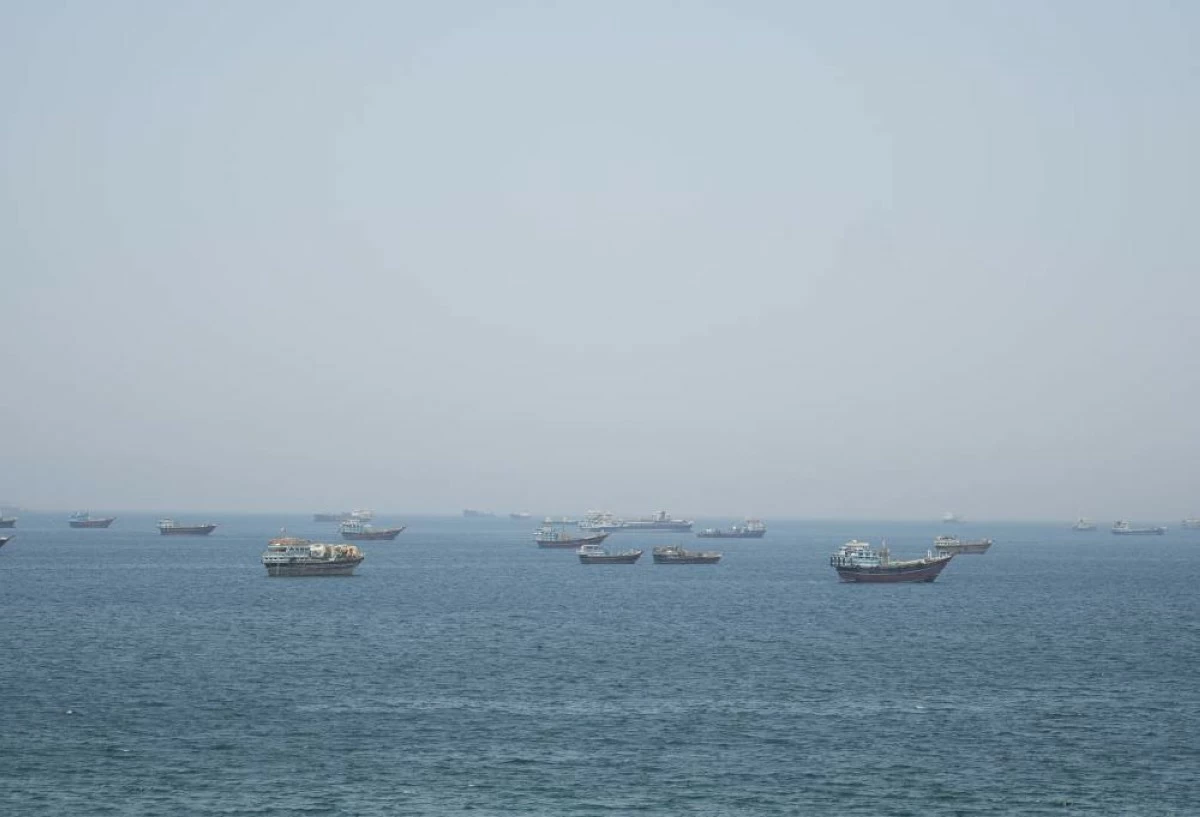

Washington/Cairo: The United States and Iran have agreed to halt recent hostilities in the Gulf and resume negotiations over the Strait of Hormuz, a U.S. official said, offering a potential breakthrough after days of escalating military exchanges.
According to the official, both sides have agreed to stand down and allow maritime traffic to resume through the strategic waterway under the framework of a 14-point memorandum of understanding signed on June 17. Talks are expected to restart in Qatar in the coming days.
Escalation before de-escalation
The agreement follows a period of heightened tensions marked by missile and drone strikes. Iran launched attacks targeting U.S. military sites in Kuwait and Bahrain, while the United States carried out strikes on Iranian facilities, with both sides accusing each other of violating the interim ceasefire.
Earlier, U.S. President Donald Trump warned that Washington could “militarily complete the job” if Iran failed to comply with the agreement, escalating rhetoric amid the ongoing confrontation.
Strait of Hormuz at the centre
The conflict has largely centred on the Strait of Hormuz, one of the world’s most critical energy shipping routes. Recent attacks on vessels and disruptions to shipping have raised global concerns over energy security and market stability.
The interim agreement was designed to reopen the strait and create space for broader negotiations, including discussions on Iran’s nuclear programme. However, continued violations and military activity have strained the deal.
Regional tensions persist
Despite the reported halt in direct hostilities between the U.S. and Iran, tensions remain elevated across the region. Israel said it had carried out renewed strikes on Iran-backed Hezbollah targets in southern Lebanon, adding another layer of complexity to the situation.
Meanwhile, Gulf countries reported interceptions of incoming missiles and drones, with limited damage and no confirmed casualties in several instances, though authorities in Bahrain said a residential building was affected.
Fragile path forward
The renewed push for diplomacy comes after a week of intensified violence that threatened to derail peace efforts. While the agreement to pause attacks may help stabilise the situation in the short term, both sides have previously signalled readiness to respond with force if provoked.