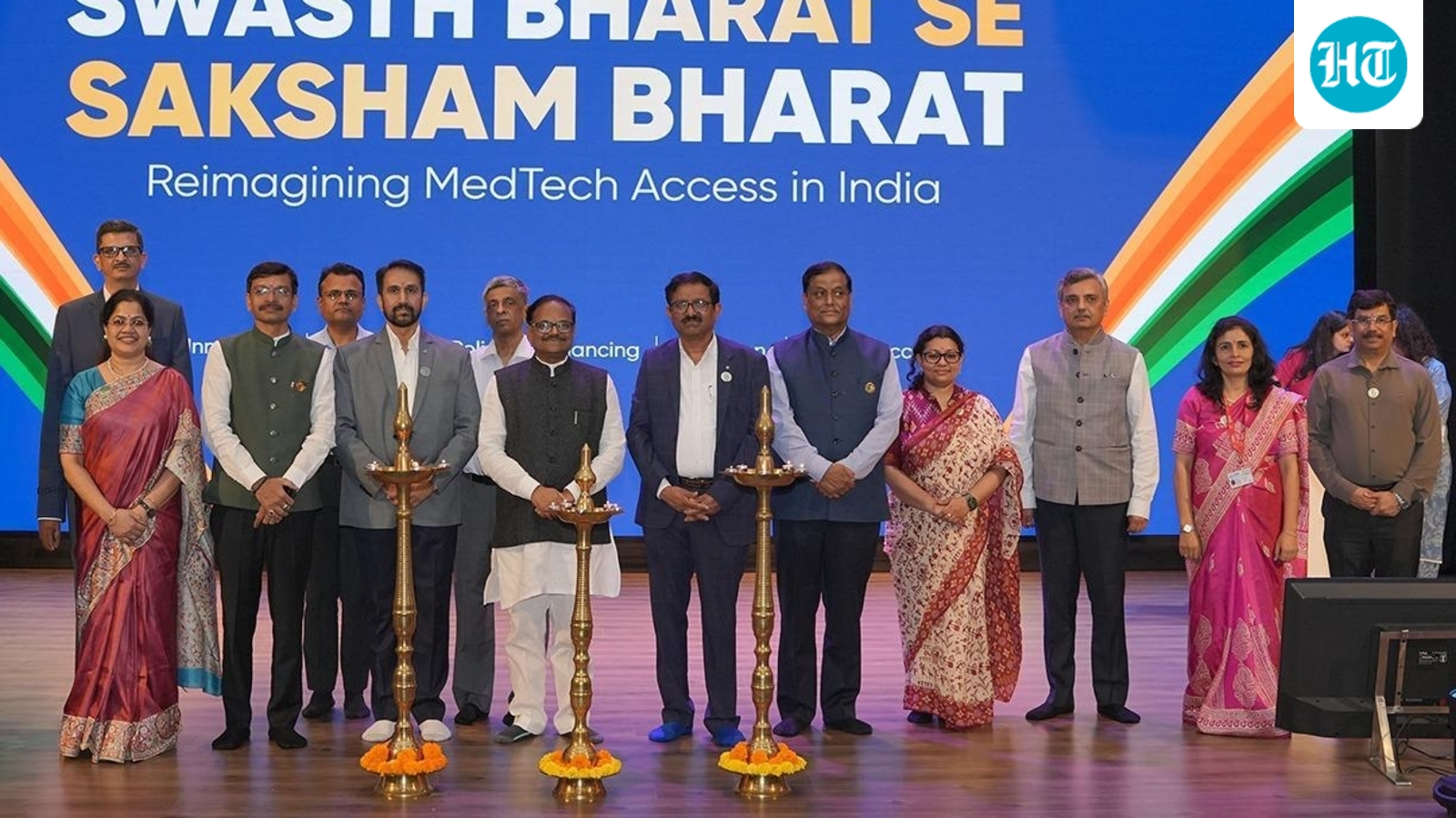
The Indian Medical Parliamentarians’ Forum (IMPF) held a National Policy Summit on MedTech Access at Meril Academy in Vapi, Gujarat, on September 22, bringing together parliamentarians, government officials, healthcare institutions, clinicians and industry representatives to discuss the development and wider adoption of medical technologies in India.
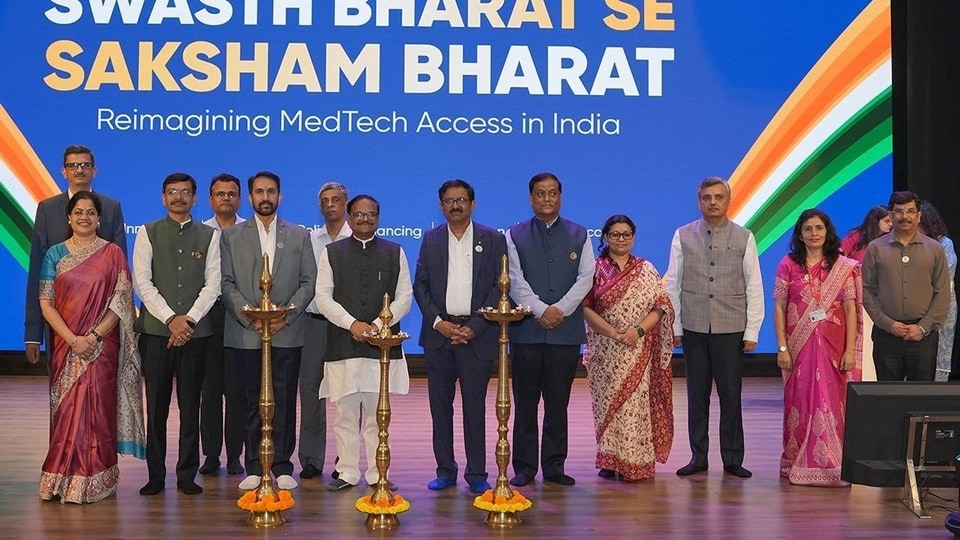
Held under the theme “Swasth Bharat Se Saksham Bharat | Reimagining MedTech Access in India”, the summit focused on issues ranging from indigenous research and manufacturing to clinical evidence, regulation, health technology assessment, reimbursement and healthcare workforce capabilities.
The summit was chaired by Dr Anil Sukhdeorao Bonde, Rajya Sabha MP and Chairperson of IMPF. Senior representatives from the Department of Pharmaceuticals, Department of Health Research, Indian Council of Medical Research (ICMR), Ministry of Health and Family Welfare, National Health Authority (NHA), AIIMS Nagpur and National Health Systems Resource Centre (NHSRC) participated in the discussions.
Focus on building the MedTech ecosystem
The first panel, titled “Building a Sustainable and Globally Competitive MedTech Ecosystem”, examined the conditions required to support medical technology research, manufacturing and adoption in India.
The discussion covered research and innovation, regulatory and quality frameworks, collaboration between academic and industry institutions, domestic manufacturing, supply-chain resilience and clinical requirements.
The panel was chaired by Dr Shivaji Bandappa Kalge, with Shri Manoj Kumar Joshi, Secretary, Department of Pharmaceuticals, serving as Co-Chair. Dr Vibhav Garg of Meril moderated the session, with Prof. (Dr.) Prashant P. Joshi and Dr Neha Dumka among the panellists.
Joshi said a stronger medical device ecosystem would require attention to quality, evidence, domestic supply chains, engineering capabilities and component manufacturing. He also said regulatory systems need to support products developed in India while maintaining globally credible standards.
Dr Prashant P. Joshi highlighted the role of medical institutions in identifying unmet clinical needs and working with engineers and researchers to develop solutions. He pointed to interdisciplinary research, academic programmes, fellowships and training as areas that could strengthen collaboration between medical and engineering institutions.
Dr Shivaji Kalge also discussed the potential of Indian medical device manufacturers to develop products for domestic and international markets, while stressing the importance of research, quality and innovation.
Discussions centre on patient access and adoption
The second panel, “Expanding Access to Quality Care through MedTech Innovation”, looked at the factors that influence whether medical technologies can move from innovation to wider patient use.
The discussion covered clinical evidence, health technology assessment, financing and reimbursement, technology adoption and workforce training. It also examined challenges associated with taking advanced technologies to different levels of the healthcare system.
The session was chaired by Dr Jashvantsinh Parmar and moderated by Dr Sharmila Sarkar. Dr Gaurav Shanker Pradhan, Dr Shailesh Kumar Yadav and Dr Suchita Markan participated as panellists.
Dr Shailesh Kumar Yadav, Joint Director, National Health Authority, said clinical effectiveness needs to be supported by appropriate financing and reimbursement mechanisms. He also highlighted the importance of considering the overall cost of care rather than only the initial cost of a medical device.
Dr Gaurav Shanker Pradhan said the availability of a device alone does not ensure effective use, pointing to the need for competency-based training for clinicians, technicians and other healthcare professionals. He also highlighted digital and remote learning as possible ways of extending training to underserved areas.
Dr Neha Dumka said technologies intended for primary healthcare need to be assessed for factors such as ease of use, cost-effectiveness, scalability and sustainability within the health system.
Dr Jashvantsinh Parmar stressed the need to identify bottlenecks in healthcare delivery and strengthen capabilities at community health centres and sub-district facilities. He also called for systematic evaluation of technologies through comparative, data-based studies.
The summit concluded with discussions on the need for greater coordination between innovation, evidence generation, regulation, clinical education, health technology assessment, financing and institutional adoption. The IMPF, established in 2006, is a non-partisan forum of MPs from both Houses of Parliament with backgrounds in medicine and healthcare.