
لم يكن سكان إحدى ضواحي العاصمة الإيطالية روما يتوقعون أن تقودهم أصوات الحفر المشبوهة في عتمة الليل إلى اكتشاف أثري مذهل قد يعيد كتابة جزء من تاريخ الإمبراطورية الرومانية، فما بدأ كمطاردة عادية لعصابة تنقيب غير قانونية، انتهى بكشف فيلا فاخرة ظلت مدفونة تحت الأرض لقرون طويلة.
وفي التفاصيل أن تحركات غامضة ومريبة داخل أرض حكومية غرب العاصمة روما أثارت شكوك الأهالي، ليتدخل رجال الأمن فوراً ويكتشفوا آثار حفر سرية نفذها لصوص آثار بحثاً عن قطع ثمينة لبيعها في السوق السوداء، لكن المفاجأة التي كانت بانتظار السلطات تجاوزت كل التوقعات،
فعلى عمق الأرض، ظهرت بقايا قصر روماني فاخر في منطقة كاستيل دي غويدو، على بعد نحو 19 كيلومتراً فقط من روما، وتحديداً داخل نطاق منطقة تاريخية كانت في العصر الإمبراطوري موطناً للنخبة والأباطرة.
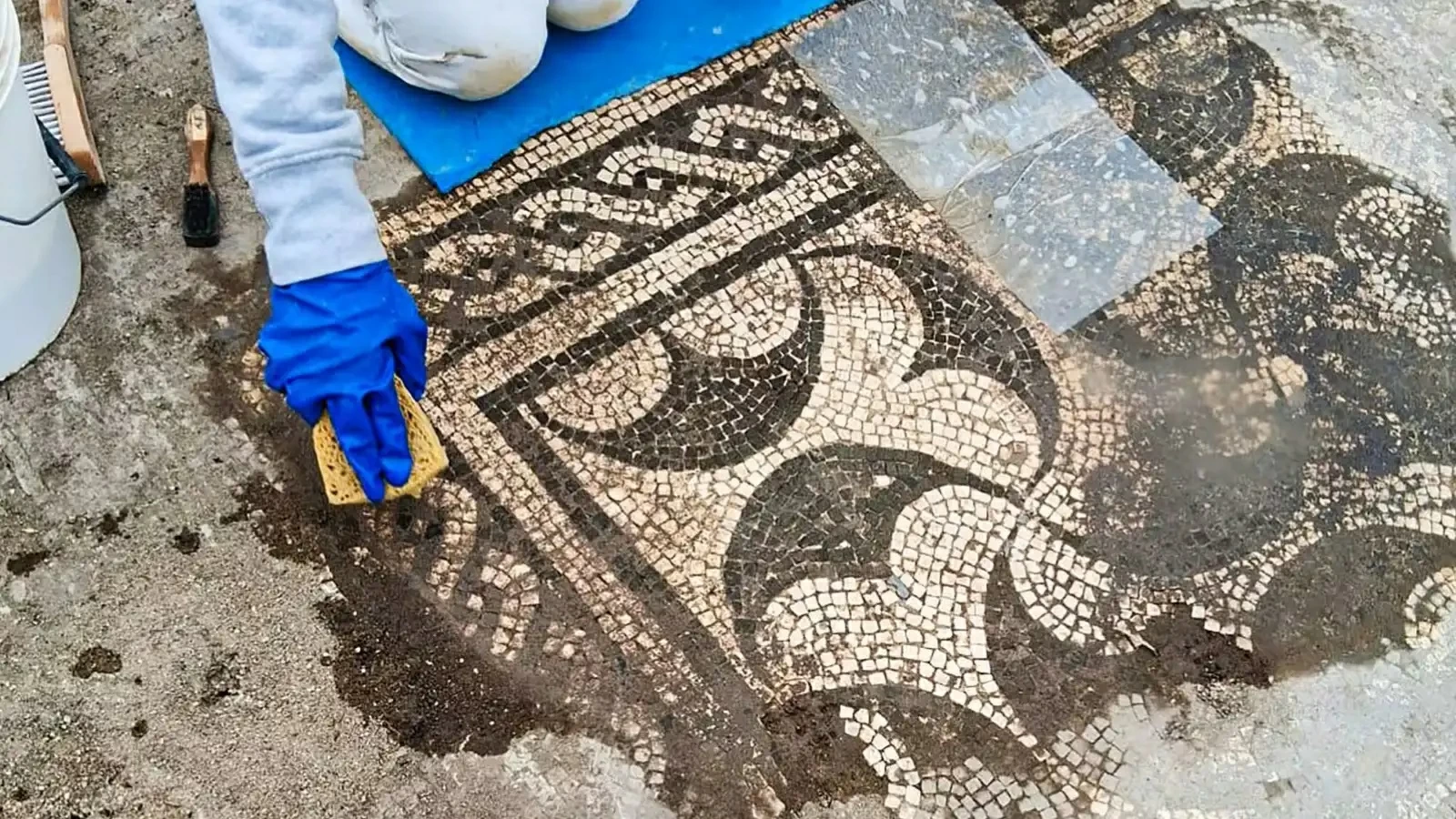
ومع بدء أعمال التنقيب الرسمية العاجلة، تكشفت ملامح فيلا استثنائية تضم قاعة استقبال ضخمة، وفناءً داخلياً تتوسطه منشأة هندسية لتجميع مياه الأمطار، تحيط بها أرضيات فسيفسائية مذهلة ومتقنة بنقوش نباتية حافظت على بريقها وجمالها رغم مرور مئات السنين، فضلاً عن قطع رخامية نادرة وتمثال يجسد الأسطورة الرومانية «سيلفانوس» المرتبطة بالريف والغابات.
هل عاش هنا ماركوس أوريليوس؟
لا تتوقف الأهمية التاريخية الحقيقية لهذا الاكتشاف عند حدود الفخامة المعمارية، بل تمتد إلى هوية أصحاب المكان، فبحسب وزارة الثقافة الإيطالية، تقع هذه الفيلا داخل منطقة ارتبطت تاريخياً بعدد من أشهر أباطرة روما العظام، من بينهم هادريان، وأنطونينوس بيوس، وماركوس أوريليوس.
وكان هذا الارتباط الوثيق سبباً دفع الباحثين وعلماء الآثار إلى ترجيح أن مالك الفيلا كان من كبار الأثرياء أو من الشخصيات المقربة جداً من البلاط الإمبراطوري، خصوصاً أن مستوى الترف المكتشف يتجاوز تماماً ما كان متاحاً لعامة السكان في تلك الحقبة الزمانية.
لكن المفارقة اللافتة في القضية أن اللصوص الذين حاولوا سرقة التاريخ كانوا هم السبب غير المباشر في إنقاذه، فبينما هرب المتورطون قبل القبض عليهم تاركين أدواتهم، قادت حفرياتهم العشوائية إلى هذا الكنز الأثري، ورغم تعرض جزء محدود من الموقع لأضرار طفيفة، فإن معظم الكنوز المعمارية والزخارف الفريدة نجت تماماً من التخريب، وتستعد السلطات لفتح الموقع أمام السياح فور انتهاء عمليات الترميم الشاملة.
The residents of a suburb of the Italian capital, Rome, did not expect that the suspicious sounds of digging in the darkness of night would lead them to a stunning archaeological discovery that could rewrite part of the history of the Roman Empire. What began as an ordinary chase for an illegal excavation gang ended with the uncovering of a luxurious villa that had remained buried underground for centuries.
In detail, mysterious and suspicious movements within government land west of Rome raised the locals’ suspicions, prompting security personnel to intervene immediately and discover traces of secret digging carried out by treasure thieves searching for valuable pieces to sell on the black market. However, the surprise awaiting the authorities exceeded all expectations.
At a depth underground, the remains of a luxurious Roman palace emerged in the area of Castelli di Guido, located about 19 kilometers from Rome, specifically within a historical region that was home to the elite and emperors during the imperial era.
With the commencement of urgent official excavation work, the features of an exceptional villa began to reveal themselves, including a massive reception hall and an inner courtyard centered around an engineering facility for collecting rainwater, surrounded by stunning and intricate mosaic floors with floral designs that have retained their luster and beauty despite the passage of hundreds of years, in addition to rare marble pieces and a statue embodying the Roman legend “Silvanus,” associated with the countryside and forests.
Did Marcus Aurelius live here?
The true historical significance of this discovery does not stop at the architectural luxury but extends to the identity of the owners of the place. According to the Italian Ministry of Culture, this villa is located in an area historically linked to several of the most famous great emperors of Rome, including Hadrian, Antoninus Pius, and Marcus Aurelius.
This close association led researchers and archaeologists to suggest that the villa’s owner was among the wealthy elite or very close figures to the imperial court, especially since the level of luxury discovered far exceeds what was available to the general population during that time period.
However, the striking irony in the case is that the thieves who attempted to steal history were the indirect reason for saving it. While the culprits fled before being caught, leaving their tools behind, their random excavations led to this archaeological treasure. Despite a limited part of the site suffering minor damage, most of the architectural treasures and unique decorations survived intact, and authorities are preparing to open the site to tourists as soon as the comprehensive restoration operations are completed.