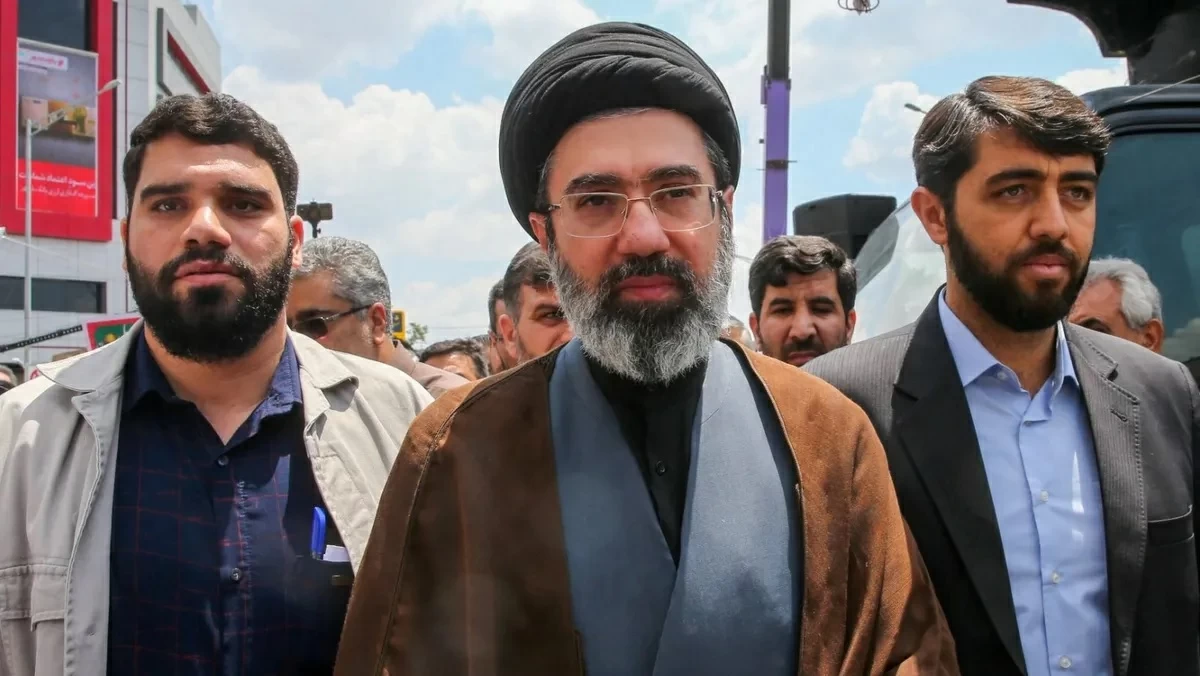
يعكس تعيين شخصيات أمنية وعسكرية متشددة في المناصب العليا بإيران توجهاً لإعادة ترتيب مراكز القوة وترسيخ سلطة المرشد الجديد مجتبى خامنئي، بالتزامن مع تصاعد المواجهة مع الولايات المتحدة وتعثر المفاوضات بشأن الملف النووي ومضيق هرمز.
حرب مستمرة وتوتر متصاعد
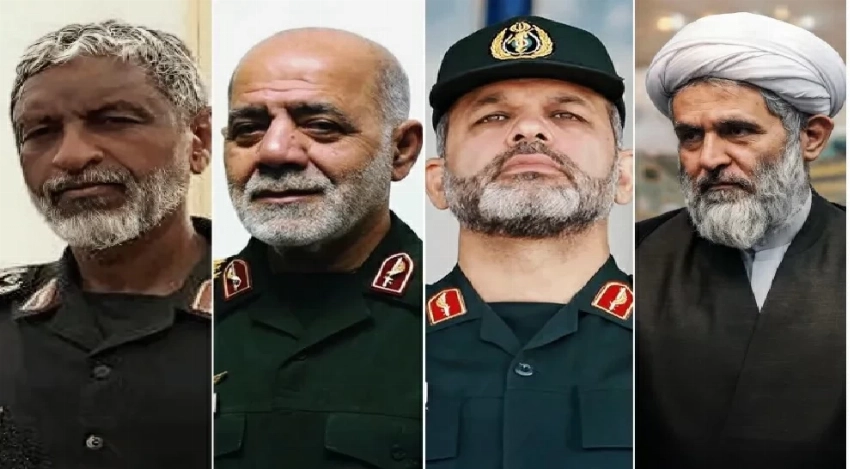
وأعلن خامنئي، أمس (الاثنين)، إجراء تغييرات في قيادة الجيش والحرس الثوري، ومنظمة التعبئة «الباسيج»، شملت 6 من كبار القادة، غداة تعيين محسن رضائي أميناً للمجلس الأعلى للأمن القومي بدلاً من محمد باقر ذو القدر.
وتأتي هذه التغييرات في ظل حرب مستمرة وتوتر متصاعد بين واشنطن وطهران، وسط مؤشرات على أن القيادة الإيرانية تستعد لنهج أكثر تشدداً في الداخل والخارج.
إعادة تشكيل هرم السلطة
أعلنت طهران خلال يومين سلسلة تعيينات جديدة في أعلى المناصب الأمنية والعسكرية، وُصفت بأنها الأوسع منذ تولي مجتبى خامنئي منصب المرشد.
وجاء على رأس التعيينات محسن رضائي، القائد السابق للحرس الثوري، الذي تولى منصب أمين المجلس الأعلى للأمن القومي، إلى جانب تعيين العميد أحمدي وحيدي قائداً للحرس الثوري، وحسين طائب قائداً لقوات الباسيج. وعيّن علي عبداللهي رئيساً لهيئة الأركان العامة للقوات المسلحة، وكيومرث حيدري نائباً له. وتضمنت القرارات تعيين علي عظمائي قائداً للقوات البحرية في الحرس الثوري.
وتولى المسؤولون الجدد مناصب شاغرة بعد مقتل عدد من القيادات خلال الحرب، فيما شملت التغييرات أيضاً قيادات عسكرية أخرى، بينها قيادة القوات البحرية في الحرس الثوري، التي تؤدي دوراً محورياً في مضيق هرمز.
ويرى محللون أن اختيار هذه الشخصيات يعكس رغبة خامنئي في إحكام السيطرة على المؤسسات الأمنية والعسكرية، واحتواء الأصوات التي قد تدفع باتجاه تسوية مع واشنطن.
عودة رجل الحرس القديم
يبرز محسن رضائي باعتباره الشخصية الأهم في التشكيلة الجديدة. فقد قاد الحرس الثوري لمدة 16 عاماً، قبل أن ينتقل إلى العمل السياسي ويخوض الانتخابات الرئاسية أكثر من مرة.
وعلى الرغم من أن رضائي عُرف في مراحل سابقة بقدر من البراغماتية، فإنه تبنى خلال الفترة الأخيرة خطاباً أكثر تشدداً تجاه الولايات المتحدة، مطالباً واشنطن بتقديم تنازلات وفق الشروط الإيرانية.
وعيّنه خامنئي ممثله الشخصي في المجلس الأعلى للأمن القومي، ما يعزز نفوذه داخل المؤسسة التي تتولى صياغة أهم القرارات الأمنية والعسكرية والدبلوماسية.
هرمز ورقة الضغط الأهم
تأتي إعادة ترتيب القيادة الإيرانية في وقت تزداد فيه أهمية مضيق هرمز بصفته ورقة ضغط في مواجهة واشنطن.
ويرفض رضائي تقديم تنازلات بشأن المضيق، مؤكداً أن أي ممر عبره يجب أن يخضع للسيطرة الإيرانية. ويرى محللون أن طهران تخشى أن يؤدي فتح المضيق إلى فقدان أهم أوراق الضغط التي تمتلكها، خصوصاً مع استمرار انعدام الثقة بالرئيس الأمريكي دونالد ترمب.
في المقابل، يدفع الرئيس الإيراني مسعود بيزشكيان باتجاه التوصل إلى اتفاق، محذراً من التداعيات الاقتصادية للحرب.
تشدد أكبر أم إعادة ضبط للتوازن؟
ويعتقد محللون أن تعيين رضائي وشخصيات مقربة من المؤسسة العسكرية قد يكون محاولة لإعادة ضبط التوازن داخل النظام، ومنع أي طرف من تجميع نفوذ يهدد سلطة المرشد.
وبحسب هذا التوجه، لا يُتوقع تحول جوهري في السياسة الإيرانية تجاه واشنطن في المدى القريب، مع استمرار تمسك طهران بموقفها المتشدد في ملفي النووي ومضيق هرمز.
وتشير التعيينات الأخيرة، في مجملها، إلى أن مجتبى خامنئي يراهن على رجال المؤسسة العسكرية والأمنية لإدارة المرحلة القادمة، في وقت تبدو فيه المواجهة مع واشنطن مفتوحة على مزيد من التصعيد.
The appointment of hardline security and military figures to high positions in Iran reflects a trend to rearrange centers of power and consolidate the authority of the new Supreme Leader, Mojtaba Khamenei, coinciding with the escalation of confrontation with the United States and the stalled negotiations regarding the nuclear file and the Strait of Hormuz.
Ongoing War and Rising Tensions
Khamenei announced yesterday (Monday) changes in the leadership of the army, the Revolutionary Guard, and the Basij organization, which included six senior leaders, following the appointment of Mohsen Rezaei as Secretary of the Supreme National Security Council instead of Mohammad Baqer Qalibaf.
These changes come amid an ongoing war and rising tensions between Washington and Tehran, with indications that the Iranian leadership is preparing for a more hardline approach both domestically and internationally.
Restructuring the Power Hierarchy
Tehran announced a series of new appointments to the highest security and military positions over two days, described as the broadest since Mojtaba Khamenei assumed the position of Supreme Leader.
At the top of the appointments was Mohsen Rezaei, the former commander of the Revolutionary Guard, who took on the role of Secretary of the Supreme National Security Council, alongside the appointment of Brigadier General Ahmad Vahidi as the commander of the Revolutionary Guard, and Hossein Taeb as the commander of the Basij forces. Ali Abdollahi was appointed as the Chief of Staff of the Armed Forces, with Kiomars Heydari as his deputy. The decisions also included the appointment of Ali Azmaei as the commander of the naval forces in the Revolutionary Guard.
The new officials filled vacant positions following the deaths of several leaders during the war, while the changes also included other military leaderships, including the command of the naval forces in the Revolutionary Guard, which plays a pivotal role in the Strait of Hormuz.
Analysts believe that the selection of these figures reflects Khamenei’s desire to tighten control over security and military institutions and to contain voices that may push for a settlement with Washington.
The Return of the Old Guard
Mohsen Rezaei stands out as the most significant figure in the new lineup. He led the Revolutionary Guard for 16 years before moving into politics and running for the presidency multiple times.
Although Rezaei was known in earlier stages for a degree of pragmatism, he has recently adopted a more hardline rhetoric towards the United States, demanding that Washington make concessions based on Iranian conditions.
Khamenei appointed him as his personal representative in the Supreme National Security Council, which enhances his influence within the institution responsible for formulating the most important security, military, and diplomatic decisions.
Hormuz: The Most Important Leverage
The restructuring of the Iranian leadership comes at a time when the Strait of Hormuz is increasingly important as a leverage point against Washington.
Rezaei refuses to make concessions regarding the strait, asserting that any passage through it must be under Iranian control. Analysts believe that Tehran fears that opening the strait could lead to the loss of its most significant leverage, especially with the ongoing lack of trust in U.S. President Donald Trump.
In contrast, Iranian President Masoud Pezeshkian is pushing for an agreement, warning of the economic repercussions of war.
Greater Hardline or a Reset of Balance?
Analysts believe that the appointment of Rezaei and figures close to the military establishment may be an attempt to reset the balance within the system and prevent any party from accumulating influence that threatens the authority of the Supreme Leader.
According to this trend, a fundamental shift in Iranian policy towards Washington is not expected in the near term, with Tehran continuing to adhere to its hardline stance on the nuclear file and the Strait of Hormuz.
The recent appointments, overall, indicate that Mojtaba Khamenei is betting on the military and security establishment to manage the upcoming phase, at a time when the confrontation with Washington appears open to further escalation.