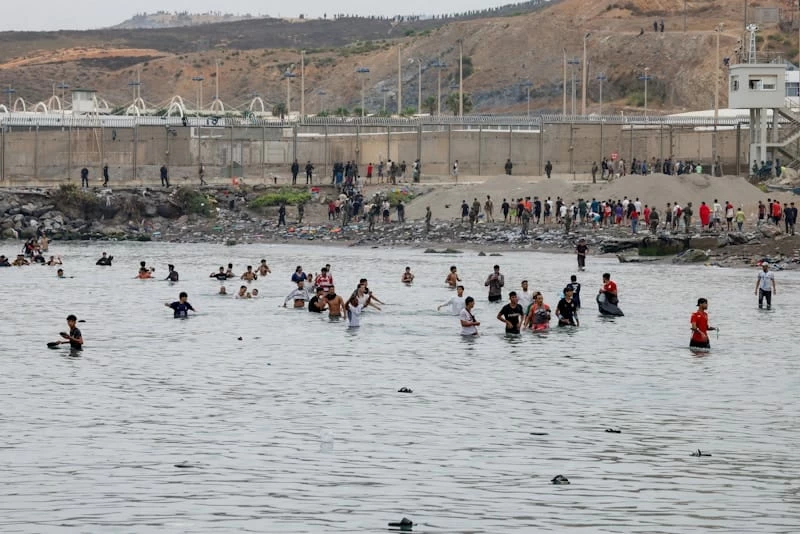
تواجه إسبانيا واحدة من أكبر أزمات الهجرة غير النظامية في تاريخها الحديث، بعدما شهد جيب سبتة الإسباني الواقع على الساحل الشمالي للمغرب تدفقًا غير مسبوق للمهاجرين، إذ قُدر عدد الواصلين خلال الأيام القليلة الماضية بنحو 60 ألف شخص، في وقت سارعت فيه مدريد والرباط إلى تعزيز الإجراءات الأمنية على الحدود، بينما أثارت الأزمة انقسامًا واسعًا داخل الاتحاد الأوروبي.
وقال رئيس حكومة سبتة، خوان خيسوس فيفاس، إن نحو 60 ألف شخص تمكنوا من دخول المدينة خلال الأيام الماضية، وهو رقم يتجاوز نصف عدد سكانها البالغ نحو 85 ألف نسمة، مشيرًا إلى ارتفاع حصيلة الوفيات المرتبطة بمحاولات العبور إلى 34 شخصًا.
وكانت إدارة الأمن القومي الإسبانية قد ذكرت في وقت سابق أن أكثر من 49 ألف مهاجر عبروا الحدود خلال 24 ساعة فقط، قبل أن تُحذف هذه البيانات من موقعها الإلكتروني دون توضيح رسمي، فيما أكدت وزارة الداخلية الإسبانية أن تلك الأرقام لا تمثل الإحصاءات الرسمية، متعهدة بإصدار بيانات دقيقة لاحقًا.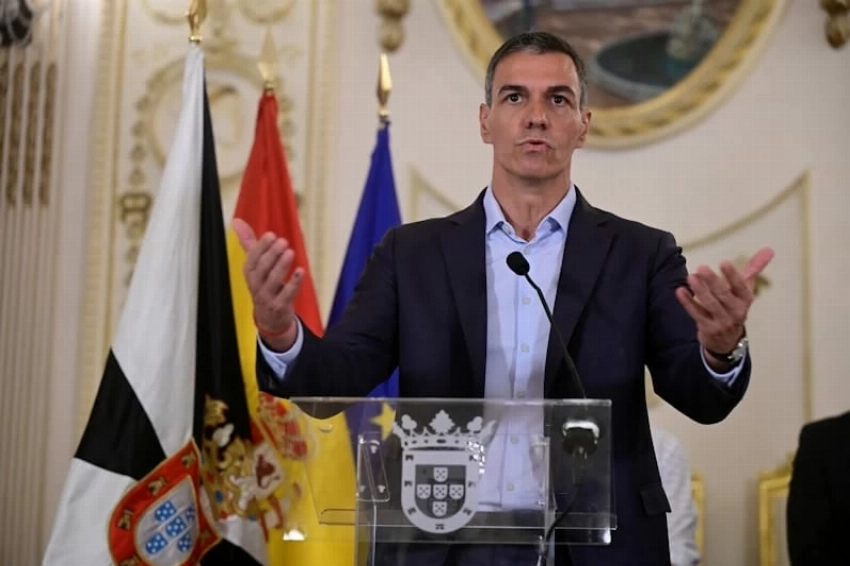
سانشيز: ما حدث غير متوقع
وتوجه رئيس الوزراء الإسباني بيدرو سانشيز إلى سبتة برفقة وزير الداخلية فرناندو غراندي مارلاسكا للاطلاع على تطورات الأوضاع ميدانيًا، واصفًا ما حدث بأنه «وضع غير متوقع» خرج عن النمط الذي شهد تراجعًا في الهجرة غير النظامية بنسبة تقارب 40% خلال العام الماضي.
وأكد سانشيز أن حكومته ستتعامل مع أمن سبتة بنفس القدر الذي تدافع به عن العاصمة مدريد، مشددًا على أن إعادة المهاجرين إلى المغرب ستتم «في أقرب وقت ممكن»، بعد التنسيق مع السلطات المغربية التي أبدت استعدادها للتعاون في عمليات الإعادة.
وأوضح أن الحد من الهجرة غير النظامية يتطلب تعاونًا وثيقًا مع دول المنشأ والعبور، لافتًا إلى أن الحكومة قد تضطر إلى إدخال تعديلات قانونية تضمن تنفيذ عمليات إعادة المهاجرين عبر الحدود بصورة أكثر فاعلية.
قرار قضائي وراء تصاعد الأزمة
وأشار مسؤولون إسبان إلى أن أحد الأسباب التي ساهمت في زيادة أعداد المهاجرين يتمثل في حكم أصدرته المحكمة العليا الإسبانية في وقت سابق من الشهر الجاري، يقضي بعدم جواز الإعادة الفورية للمهاجرين الذين يُعترض طريقهم بحرًا أثناء محاولتهم الوصول إلى مدينتي سبتة أو مليلية، وهو ما خلق حالة من الغموض بشأن آليات التعامل مع الوافدين.
وقال وزير السياسة الإقليمية الإسباني أنخيل فيكتور توريس إن الحكومة تحركت فور وقوع الأزمة، مؤكداً أن إعادة المهاجرين ستتم مع احترام الأحكام القضائية وحقوق الإنسان.
كما صرح متحدث باسم الحرس المدني الإسباني بأن تدفقات المهاجرين كانت محدودة بعد صدور الحكم، إلا أن ما حدث أخيراً يمثل «انفجارًا» في أعداد العابرين.
تعزيزات أمنية على جانبي الحدود
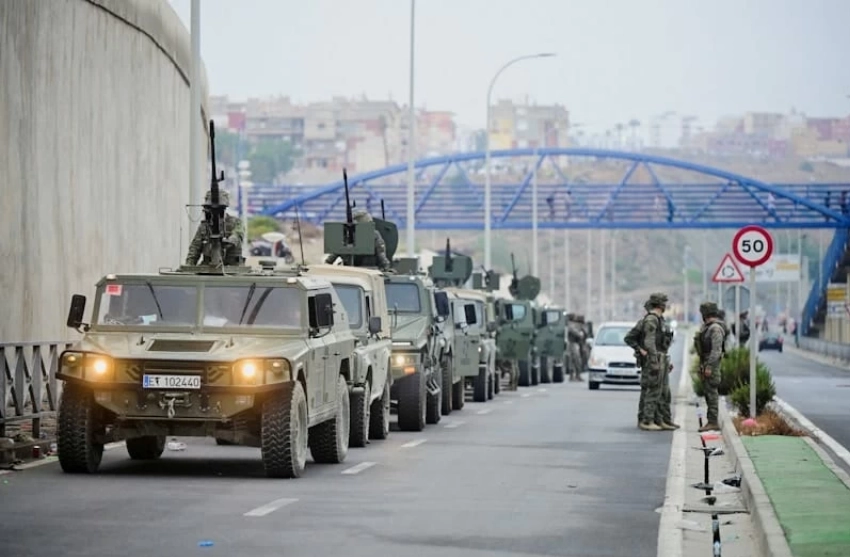
وعززت إسبانيا والمغرب الإجراءات الأمنية على الحدود الفاصلة مع سبتة، حيث دفعت مدريد بتعزيزات من الجيش والشرطة، فيما نشرت السلطات المغربية شاحنات مزودة بخراطيم المياه وشددت الإجراءات عند المعابر الحدودية لمنع محاولات الاقتحام.
ورغم هذه الإجراءات، أظهرت مشاهد مصورة استمرار تدفق المهاجرين عبر معبر تاراخال، بينما حاول آخرون الالتفاف حول السياج الحدودي أو السباحة للوصول إلى المدينة.
كما شهدت المنطقة اشتباكات أسفرت عن احتراق حافلة وسبع سيارات بالقرب من المعبر الحدودي.
أوروبا تتحرك.. وانتقادات حادة
وأثارت الأزمة ردود فعل واسعة داخل الاتحاد الأوروبي، إذ وصفت رئيسة المفوضية الأوروبية أورسولا فون دير لاين المشاهد القادمة من سبتة بأنها «غير مقبولة»، مؤكدة ضرورة وقف عمليات العبور الخطرة بشكل فوري.
وأضافت أن مفوض الاتحاد الأوروبي للشؤون الداخلية والهجرة ماغنوس برونر يعمل مع السلطات الإسبانية، بينما تجري مفوضة شؤون المتوسط والديموغرافيا دوبرافكا شويتسا اتصالات مع السلطات المغربية لاحتواء الأزمة.
من جانبه، طالب المستشار الألماني فريدريش ميرتس إسبانيا باستعادة السيطرة على الوضع بأسرع وقت، مؤكدًا أن حماية الحدود الخارجية للاتحاد الأوروبي تمثل ركيزة أساسية لمكافحة الهجرة غير النظامية، كما دعا المغرب إلى استعادة المهاجرين «دون تأخير».
انقسام سياسي داخل إسبانيا
داخليًا، تحولت الأزمة إلى محور للصراع السياسي قبل الانتخابات القادمة، إذ اتهمت أحزاب المعارضة اليمينية حكومة سانشيز بالتسبب في تفاقم الأزمة بسبب سياساتها المتعلقة بالهجرة وبرامج تسوية أوضاع المهاجرين.
ووصف زعيم الحزب الشعبي ألبرتو نونييث فيخو الوضع في سبتة بأنه «كارثة»، معتبرًا أن البلاد تواجه أزمة أمن قومي، بينما دعا رئيس حكومة سبتة إلى إعلان حالة الطوارئ.
بدوره، وصف زعيم حزب «فوكس» اليميني المتطرف سانتياغو أباسكال موجة العبور بأنها «غزو»، محملًا حكومة سانشيز المسؤولية عن التطورات.
وتُعد مدينتا سبتة ومليلية، الواقعتان على الساحل الشمالي للمغرب، الحدود البرية الوحيدة بين الاتحاد الأوروبي والقارة الإفريقية، وتشهدان بين الحين والآخر محاولات جماعية للمهاجرين للوصول إلى أوروبا، إلا أن حجم التدفقات الحالية يُعد الأكبر من نوعه وغير مسبوق في تاريخ المدينتين.
Spain is facing one of the largest crises of irregular migration in its modern history, as the Spanish enclave of Ceuta on the northern coast of Morocco has witnessed an unprecedented influx of migrants, with the number of arrivals in the past few days estimated at around 60,000 people. This has prompted Madrid and Rabat to quickly enhance security measures at the border, while the crisis has sparked a wide division within the European Union.
Ceuta’s government head, Juan Jesús Vivas, stated that around 60,000 people managed to enter the city in recent days, a figure that exceeds half of its population of about 85,000, noting that the death toll associated with crossing attempts has risen to 34 people.
The Spanish National Security Department had previously reported that more than 49,000 migrants crossed the border in just 24 hours, before this data was removed from its website without official clarification. The Spanish Ministry of the Interior confirmed that these figures do not represent official statistics, pledging to issue accurate data later.
Sánchez: What Happened Was Unexpected
Spanish Prime Minister Pedro Sánchez traveled to Ceuta accompanied by Interior Minister Fernando Grande-Marlaska to assess the situation on the ground, describing what happened as an “unexpected situation” that deviated from the trend of a nearly 40% decrease in irregular migration during the past year.
Sánchez affirmed that his government would address the security of Ceuta with the same commitment it defends the capital, Madrid, emphasizing that the return of migrants to Morocco would occur “as soon as possible,” after coordinating with Moroccan authorities, who have expressed their willingness to cooperate in repatriation operations.
He explained that reducing irregular migration requires close cooperation with countries of origin and transit, noting that the government may need to introduce legal amendments to ensure more effective execution of border repatriation operations.
A Judicial Decision Behind the Escalation of the Crisis
Spanish officials indicated that one of the reasons contributing to the increase in migrant numbers was a ruling issued by the Spanish Supreme Court earlier this month, which stated that immediate return of migrants intercepted at sea while attempting to reach the cities of Ceuta or Melilla is not permissible, creating a state of ambiguity regarding the mechanisms for dealing with arrivals.
Spanish Regional Policy Minister Ángel Víctor Torres stated that the government acted immediately upon the crisis, confirming that the return of migrants would be conducted in respect of judicial rulings and human rights.
A spokesperson for the Spanish Civil Guard also stated that migrant flows were limited after the ruling, but what has occurred recently represents an “explosion” in the number of crossers.
Security Reinforcements on Both Sides of the Border
Spain and Morocco have strengthened security measures at the border separating Ceuta, with Madrid deploying reinforcements from the army and police, while Moroccan authorities have deployed trucks equipped with water hoses and tightened procedures at border crossings to prevent attempted breaches.
Despite these measures, footage showed the continued flow of migrants through the Tarajal crossing, while others attempted to circumvent the border fence or swim to reach the city.
The area also witnessed clashes that resulted in the burning of a bus and seven cars near the border crossing.
Europe Takes Action.. and Sharp Criticism
The crisis has elicited widespread reactions within the European Union, with European Commission President Ursula von der Leyen describing the scenes coming from Ceuta as “unacceptable,” emphasizing the need to immediately halt dangerous crossing operations.
She added that the EU Commissioner for Home Affairs and Migration, Magnus Brunner, is working with Spanish authorities, while the Commissioner for the Mediterranean and Demography, Dubravka Šuica, is in contact with Moroccan authorities to contain the crisis.
For his part, German Chancellor Friedrich Merz called on Spain to regain control of the situation as quickly as possible, asserting that protecting the EU’s external borders is a fundamental pillar in combating irregular migration, and he urged Morocco to accept migrants “without delay.”
Political Division Within Spain
Internally, the crisis has become a focal point for political conflict ahead of the upcoming elections, as right-wing opposition parties accused Sánchez’s government of exacerbating the crisis due to its immigration policies and migrant regularization programs.
Popular Party leader Alberto Núñez Feijóo described the situation in Ceuta as a “disaster,” considering that the country is facing a national security crisis, while the head of Ceuta’s government called for a state of emergency to be declared.
Meanwhile, the leader of the far-right Vox party, Santiago Abascal, referred to the wave of crossings as an “invasion,” holding Sánchez’s government responsible for the developments.
The cities of Ceuta and Melilla, located on the northern coast of Morocco, represent the only land borders between the European Union and the African continent, and they occasionally witness collective attempts by migrants to reach Europe. However, the current scale of the influx is the largest of its kind and unprecedented in the history of the two cities.