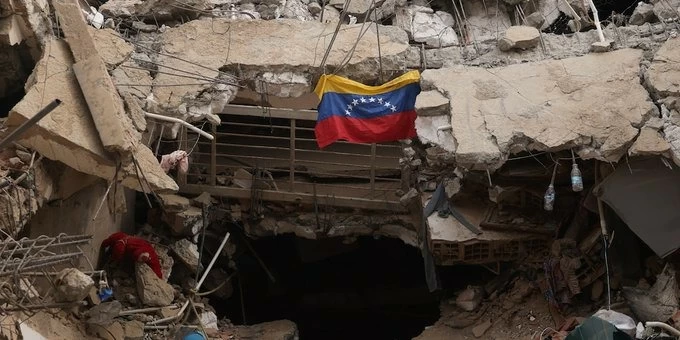
ارتفعت حصيلة ضحايا الزلزالين المزدوجين اللذين ضربا فنزويلا قبل 15 يومًا إلى 3899 قتيلاً، في أحدث حصيلة رسمية تعكس استمرار تداعيات واحدة من أسوأ الكوارث الطبيعية التي شهدتها البلاد في السنوات الأخيرة، بينما أكدت السلطات أن حالة الطوارئ لا تزال قائمة مع استمرار عمليات الإنقاذ والإغاثة.
وأعلن رئيس البرلمان الفنزويلي، خورخي رودريديز، في بيان رسمي، أن عدد القتلى ارتفع بمقدار 88 شخصاً مقارنة بالإحصائية المعلنة الأحد الماضي، ليصل إجمالي الضحايا إلى 3899 قتيلاً، فيما استقر عدد المصابين عند 16,740 شخصاً.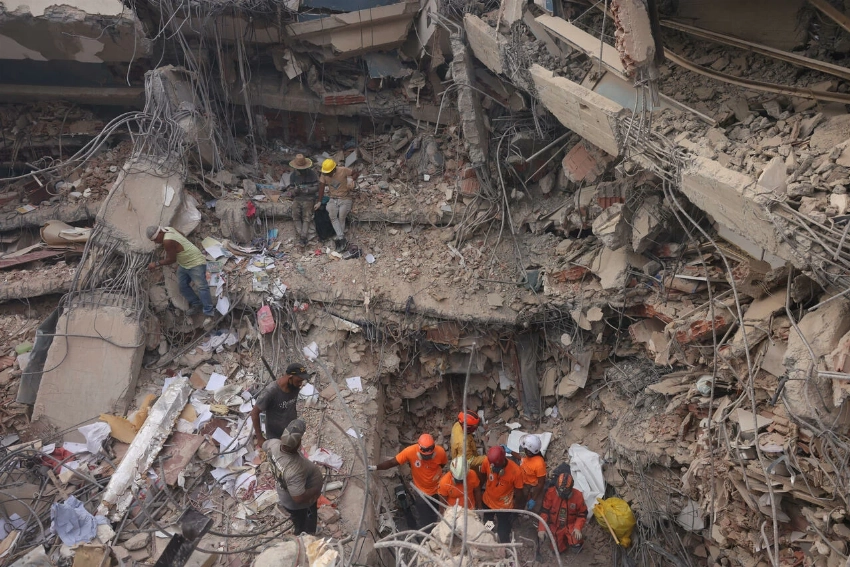
وأشار البيان إلى أن عدد المشردين الذين فقدوا منازلهم جراء الزلزالين لا يزال عند 17,907 أشخاص، بينما تمكنت فرق الإنقاذ من انتشال وإنقاذ 6462 شخصاً منذ وقوع الكارثة، في وقت تواصل فيه السلطات عمليات البحث عن مفقودين وتقديم الدعم للمتضررين.
وعلى صعيد الخسائر المادية، أوضحت السلطات أن الزلزالين ألحقا أضراراً بـ 856 مبنى، من بينها 190 مبنى انهار بالكامل، ما تسبب في تشريد آلاف الأسر وإلحاق أضرار واسعة بالبنية التحتية في المناطق المنكوبة.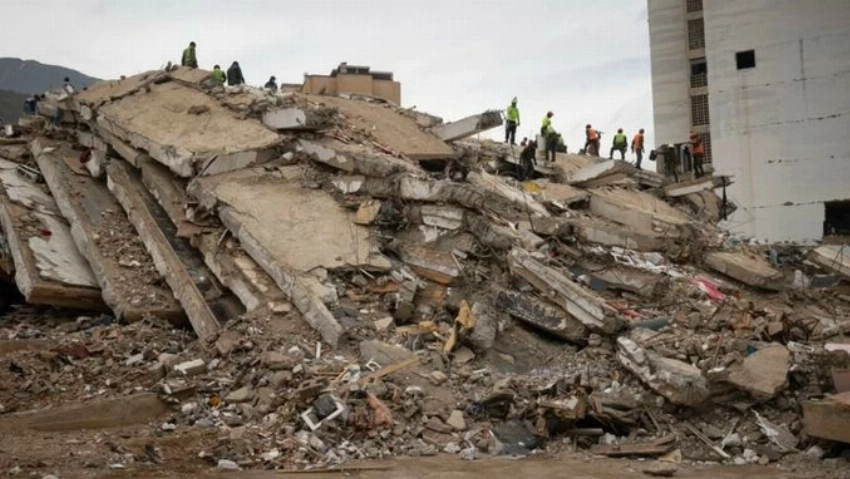
وفي إطار جهود الإغاثة، أقامت الحكومة 89 مخيماً مؤقتاً لإيواء المتضررين، يستضيف حالياً 16,892 شخصاً، كما أعلنت تقديم مساعدات إنسانية وإغاثية إلى 86,794 عائلة، تشمل الغذاء والمياه والرعاية الصحية والمستلزمات الأساسية.
وأكدت السلطات أن المرحلة الحالية تركز على توسيع عمليات الإيواء، واستعادة الخدمات الأساسية، وتقييم الأضرار، محذرة من أن تداعيات الكارثة لم تنته بعد، في ظل الحاجة إلى استمرار الدعم الإنساني وإعادة إعمار المناطق المتضررة.
ويُعد الزلزالان اللذان ضربا فنزويلا من أكثر الكوارث الطبيعية دموية التي شهدتها البلاد خلال العقود الأخيرة، إذ تسببا في خسائر بشرية ومادية واسعة، وأديا إلى انهيار مئات المباني وتعطل شبكات الكهرباء والمياه والاتصالات في عدد من المناطق.
وتواجه السلطات الفنزويلية تحديات كبيرة في إدارة عمليات الإغاثة، في ظل حجم الدمار واتساع رقعة المناطق المتضررة، إضافة إلى الحاجة لتوفير المأوى والرعاية الصحية والغذاء لعشرات الآلاف من النازحين.
ويشير خبراء إدارة الكوارث إلى أن حصيلة الضحايا في الزلازل الكبرى غالباً ما تستمر في الارتفاع خلال الأيام والأسابيع التالية للكارثة، مع استمرار أعمال إزالة الأنقاض والوصول إلى المناطق المنكوبة، وهو ما يجعل عمليات الإنقاذ والإغاثة عاملاً حاسماً في الحد من الخسائر الإنسانية وتسريع تعافي المجتمعات المتضررة.
The death toll from the double earthquakes that struck Venezuela 15 days ago has risen to 3,899, according to the latest official figures reflecting the ongoing repercussions of one of the worst natural disasters the country has faced in recent years, while authorities confirmed that the state of emergency remains in effect as rescue and relief operations continue.
The President of the Venezuelan Parliament, Jorge Rodríguez, announced in an official statement that the number of fatalities has increased by 88 compared to the figures announced last Sunday, bringing the total number of victims to 3,899, while the number of injured remains at 16,740 people.
The statement noted that the number of displaced individuals who lost their homes due to the earthquakes remains at 17,907, while rescue teams have managed to retrieve and save 6,462 people since the disaster occurred, as authorities continue their search for missing persons and provide support to those affected.
In terms of material losses, authorities clarified that the earthquakes caused damage to 856 buildings, including 190 that completely collapsed, resulting in the displacement of thousands of families and extensive damage to infrastructure in the affected areas.
As part of the relief efforts, the government has established 89 temporary camps to shelter those affected, currently hosting 16,892 people, and has announced the provision of humanitarian and relief assistance to 86,794 families, including food, water, healthcare, and essential supplies.
Authorities emphasized that the current phase focuses on expanding shelter operations, restoring essential services, and assessing damages, warning that the repercussions of the disaster are not over yet, given the need for continued humanitarian support and reconstruction of the affected areas.
The earthquakes that struck Venezuela are among the deadliest natural disasters the country has experienced in recent decades, causing extensive human and material losses, leading to the collapse of hundreds of buildings and disrupting electricity, water, and communication networks in several areas.
Venezuelan authorities face significant challenges in managing relief operations, given the scale of the destruction and the vastness of the affected areas, in addition to the need to provide shelter, healthcare, and food for tens of thousands of displaced individuals.
Disaster management experts indicate that the death toll in major earthquakes often continues to rise in the days and weeks following the disaster, as debris removal efforts and access to affected areas persist, making rescue and relief operations a critical factor in reducing human losses and accelerating the recovery of affected communities.