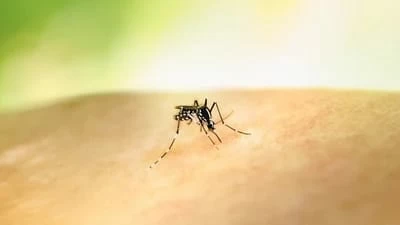

في خطوة قد تبدو غريبة للوهلة الأولى، تواصل سنغافورة إطلاق ملايين البعوض أسبوعياً ضمن استراتيجية علمية مبتكرة تهدف إلى خفض أعداد هذه الحشرات والحد من انتشار الأمراض الخطيرة التي تنقلها، مثل حمى الضنك وزيكا.
وبحسب موقع Hindustan Times، تعتمد الخطة على إطلاق ذكور بعوض معدلة ببكتيريا طبيعية تمنع تكاثر الأجيال الجديدة، ما أسهم في تحقيق انخفاض كبير في أعداد البعوض بالمناطق المستهدفة ووضع التجربة السنغافورية في صدارة الحلول الحديثة لمكافحة الأمراض المنقولة بالحشرات.
ورغم أن الفكرة قد تبدو متناقضة للوهلة الأولى، فإن البعوض الذي يتم إطلاقه لا يشكل خطراً مباشراً على البشر، إذ يقتصر الأمر على ذكور بعوض «الزاعجة المصرية» (Aedes aegypti)، وهي لا تتغذى على الدماء ولا تلدغ الإنسان، بخلاف الإناث المسؤولة عن نقل الأمراض.
ويعتمد البرنامج على إدخال بكتيريا طبيعية تُعرف باسم «وولباشيا» (Wolbachia) إلى ذكور البعوض قبل إطلاقها في البيئة وعندما تتزاوج هذه الذكور مع الإناث البرية، تفشل البيوض الناتجة في الفقس، ما يؤدي تدريجياً إلى تعطيل دورة التكاثر وتقليص أعداد البعوض بمرور الوقت.
ويؤكد الباحثون أن تقنية «وولباشيا» تُعد من أكثر الأساليب الواعدة عالمياً في مكافحة الأمراض المنقولة عبر البعوض، مثل حمى الضنك وزيكا وشيكونغونيا، فهذه البكتيريا موجودة بشكل طبيعي في العديد من الحشرات كالنحل والفراشات والخنافس، ولا تمثل أي خطر على الإنسان أو الحيوانات.
وتكمن أهمية هذه التقنية في أن بعوض الزاعجة المصرية، الناقل الرئيسي لهذه الأمراض، لا يحمل بكتيريا وولباشيا بشكل طبيعي. وعند إدخالها إليه في المختبرات، تصبح قدرة الفايروسات على التكاثر داخل جسم البعوض محدودة للغاية، ما يقلل فرص انتقال العدوى إلى البشر.
وتبدأ العملية داخل منشآت متخصصة تعتمد على أنظمة فرز آلية عالية السرعة مدعومة بالذكاء الاصطناعي، إذ تمر ملايين الحشرات يومياً عبر أجهزة متطورة تلتقط صوراً عالية الدقة لكل بعوضة، ثم تحللها لحظياً للتمييز بين الذكور والإناث، وبعد ذلك يتم اختيار الذكور فقط وإطلاقها في الطبيعة.
وبمجرد انتشارها، تتزاوج هذه الذكور مع الإناث البرية الحاملة للأمراض، لتنتج بيوضاً غير قابلة للفقس، ما يمنع ظهور أجيال جديدة ويؤدي تدريجياً إلى تراجع أعداد البعوض في المناطق المستهدفة.
وأظهرت النتائج نجاحاً لافتاً للبرنامج، إذ سجلت بعض مناطق سنغافورة انخفاضاً تجاوز 90% في أعداد بعوض الزاعجة المصرية منذ بدء تطبيق المبادرة.
ومع ذلك، يشير الخبراء إلى أن السكان قد يلاحظون زيادة مؤقتة في أعداد البعوض خلال المراحل الأولى من التنفيذ، نتيجة الحاجة إلى إطلاق أعداد كبيرة من الذكور قبل تحقيق الانخفاض المستهدف في أعداد الحشرات.
ويُنظر إلى التجربة السنغافورية اليوم باعتبارها نموذجاً مبتكراً يجمع بين التكنولوجيا الحيوية والذكاء الاصطناعي لمواجهة أحد أخطر التحديات الصحية المرتبطة بالأمراض المنقولة بواسطة الحشرات.
In a move that may seem strange at first glance, Singapore continues to release millions of mosquitoes weekly as part of an innovative scientific strategy aimed at reducing the numbers of these insects and limiting the spread of serious diseases they transmit, such as dengue fever and Zika.
According to Hindustan Times, the plan relies on releasing male mosquitoes modified with natural bacteria that prevent the breeding of new generations, which has contributed to a significant decrease in mosquito numbers in targeted areas and placed the Singaporean experiment at the forefront of modern solutions for combating insect-borne diseases.
Although the idea may seem contradictory at first, the mosquitoes being released do not pose a direct threat to humans, as they are limited to male Aedes aegypti mosquitoes, which do not feed on blood or bite humans, unlike the females responsible for transmitting diseases.
The program relies on introducing a natural bacterium known as Wolbachia into male mosquitoes before releasing them into the environment, and when these males mate with wild females, the resulting eggs fail to hatch, gradually disrupting the breeding cycle and reducing mosquito numbers over time.
Researchers confirm that the Wolbachia technique is one of the most promising methods globally for combating mosquito-borne diseases such as dengue fever, Zika, and chikungunya, as this bacterium is naturally present in many insects like bees, butterflies, and beetles, and poses no threat to humans or animals.
The importance of this technique lies in the fact that the Aedes aegypti mosquito, the primary carrier of these diseases, does not naturally carry Wolbachia bacteria. When introduced to it in laboratories, the ability of viruses to reproduce within the mosquito’s body becomes extremely limited, reducing the chances of transmission to humans.
The process begins inside specialized facilities that rely on high-speed automated sorting systems supported by artificial intelligence, where millions of insects pass daily through advanced devices that capture high-resolution images of each mosquito, which are then analyzed instantly to distinguish between males and females, after which only the males are selected and released into the wild.
Once released, these males mate with wild disease-carrying females, producing non-hatchable eggs, which prevents the emergence of new generations and gradually leads to a decline in mosquito numbers in the targeted areas.
The results have shown remarkable success for the program, with some areas in Singapore recording a decrease of over 90% in Aedes aegypti mosquito numbers since the initiative was launched.
However, experts point out that residents may notice a temporary increase in mosquito numbers during the early stages of implementation, due to the need to release large numbers of males before achieving the targeted reduction in insect populations.
The Singaporean experiment is now viewed as an innovative model that combines biotechnology and artificial intelligence to tackle one of the most serious health challenges associated with insect-borne diseases.