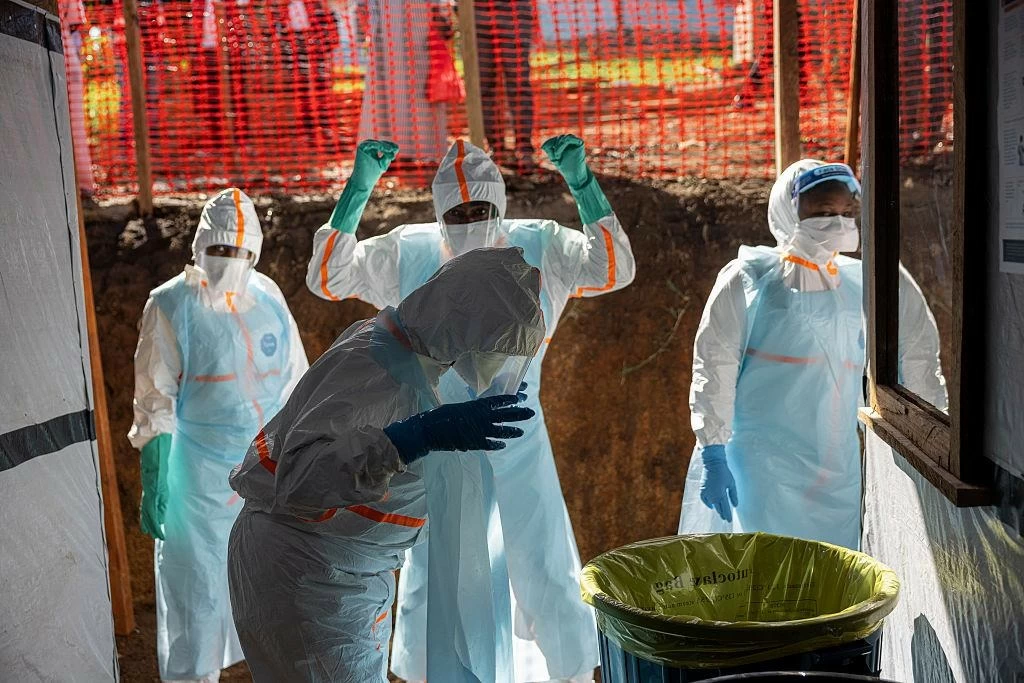
كشفت دراسة علمية حديثة أن التفشي الحالي لفيروس «إيبولا» في جمهورية الكونغو الديمقراطية يرجح أن يكون ناجماً عن انتقال جديد للفيروس من الحيوانات إلى الإنسان، وليس امتداداً لسلاسل عدوى سابقة.
وأظهرت التحليلات الجينية التي أجراها الباحثون على عينات من المصابين، وجود اختلافات وراثية في الفيروس المنتشر حالياً، تشير إلى أن دخوله إلى البشر حدث بصورة حديثة، قبل أن يبدأ انتقاله بين الأشخاص.
وتشير النتائج إلى أن التفشي الحالي يرتبط بسلالة «بونديبوجيو» النادرة من فيروس «إيبولا»، مع وجود تغيرات جينية تميز الفيروس عن سلالات ظهرت خلال تفشيات سابقة.
مصدر العدوى لم يُحدد
ورغم توصل الباحثين إلى أن الانتقال الأول حدث على الأرجح من الحيوانات إلى الإنسان، فإن الدراسة لم تحدد نوع الحيوان الذي كان مصدر العدوى الأولى.
ويرى الباحثون أن تحديد مصادر العدوى الحيوانية يمثل تحدياً مهماً، خصوصاً مع قدرة فيروس «إيبولا» على الانتقال من الحيوانات المصابة إلى البشر، ثم الانتشار من شخص إلى آخر.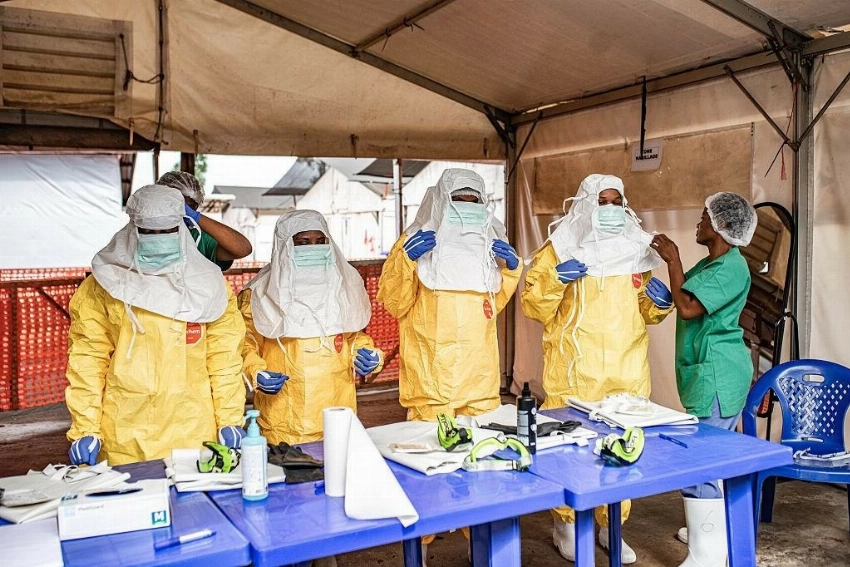
صلة بين الكونغو وأوغندا
وكشف التحليل الجيني وجود ارتباط بين الحالات التي ظهرت في جمهورية الكونغو الديمقراطية وأوغندا، ما يوفر مؤشرات تساعد في تتبع مسار انتشار الفيروس وفهم العلاقة بين الحالات المسجلة في البلدين.
وتبرز هذه النتائج أهمية استمرار التنسيق الصحي بين الدول المجاورة، خصوصاً في المناطق التي تشهد حركة سكانية واسعة أو تشترك في بيئات قد تزيد احتمالات انتقال الفيروس من الحيوانات.
التسلسل الجيني يرصد التفشي مبكراً
وأكد الباحثون أهمية توسيع عمليات الفحص والتسلسل الجيني للفيروسات، باعتبارها أداة تساعد على اكتشاف التغيرات الجديدة وتتبع مصدر التفشي في مراحله المبكرة.
ومن شأن هذه الإجراءات دعم جهود السلطات الصحية في سرعة اكتشاف الحالات، وتتبع المخالطين، واتخاذ التدابير اللازمة للحد من انتقال العدوى.
مراقبة مستمرة
وتواصل الجهات الصحية متابعة التفشي وتعزيز إجراءات الترصد والكشف عن الحالات، إلى جانب مراقبة احتمالات انتقال الفيروس من الحيوانات إلى البشر، في محاولة للحد من انتشار المرض واحتواء أي بؤر جديدة للعدوى.
A recent scientific study revealed that the current outbreak of the “Ebola” virus in the Democratic Republic of the Congo is likely due to a new transmission of the virus from animals to humans, rather than an extension of previous infection chains.
Genetic analyses conducted by researchers on samples from infected individuals showed genetic differences in the currently circulating virus, indicating that its entry into humans occurred recently, before it began to spread among people.
The results suggest that the current outbreak is linked to the rare “Bundibugyo” strain of the “Ebola” virus, with genetic changes that distinguish the virus from strains that appeared during previous outbreaks.
The source of infection has not been identified
Although researchers concluded that the initial transmission likely occurred from animals to humans, the study did not specify the type of animal that was the source of the initial infection.
Researchers believe that identifying animal sources of infection represents an important challenge, especially given the ability of the “Ebola” virus to transmit from infected animals to humans, and then spread from person to person.
Connection between Congo and Uganda
The genetic analysis revealed a link between the cases that appeared in the Democratic Republic of the Congo and Uganda, providing indicators that help trace the virus’s spread and understand the relationship between the recorded cases in both countries.
These results highlight the importance of continuing health coordination between neighboring countries, especially in areas experiencing significant population movement or sharing environments that may increase the likelihood of virus transmission from animals.
Genetic sequencing detects the outbreak early
Researchers emphasized the importance of expanding testing and genetic sequencing of viruses, as it serves as a tool to detect new changes and trace the source of the outbreak in its early stages.
Such measures would support the efforts of health authorities in quickly identifying cases, tracking contacts, and taking necessary measures to reduce the transmission of infection.
Continuous monitoring
Health authorities continue to monitor the outbreak and enhance surveillance and case detection measures, alongside monitoring the potential transmission of the virus from animals to humans, in an effort to limit the spread of the disease and contain any new infection hotspots.