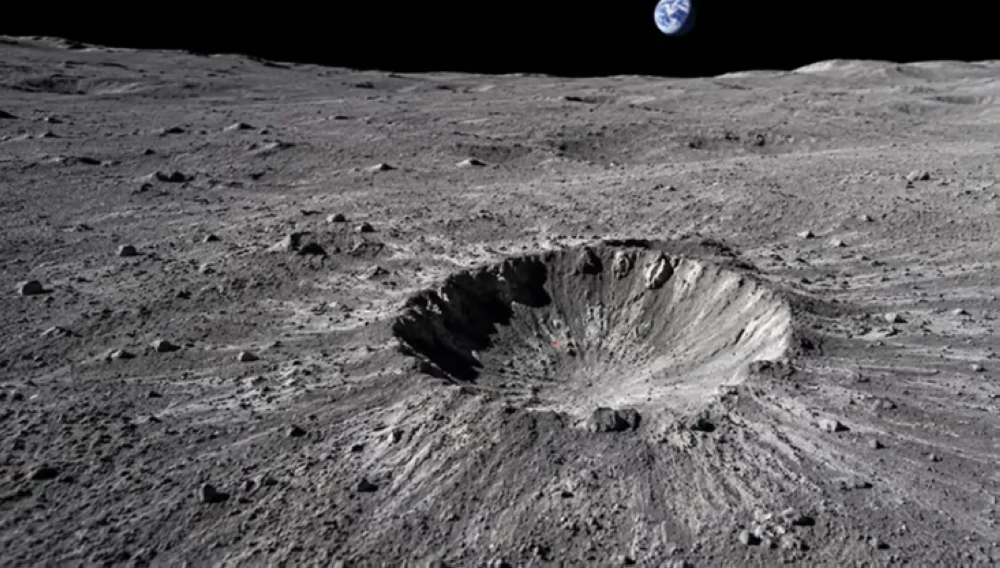
وثقت وكالة الفضاء الأمريكية «ناسا» فوهة جديدة على سطح القمر، تشكلت عقب اصطدام المرحلة العليا من صاروخ «فالكون 9» التابع لشركة «سبيس إكس» بسطح القمر في 5 أغسطس الجاري.
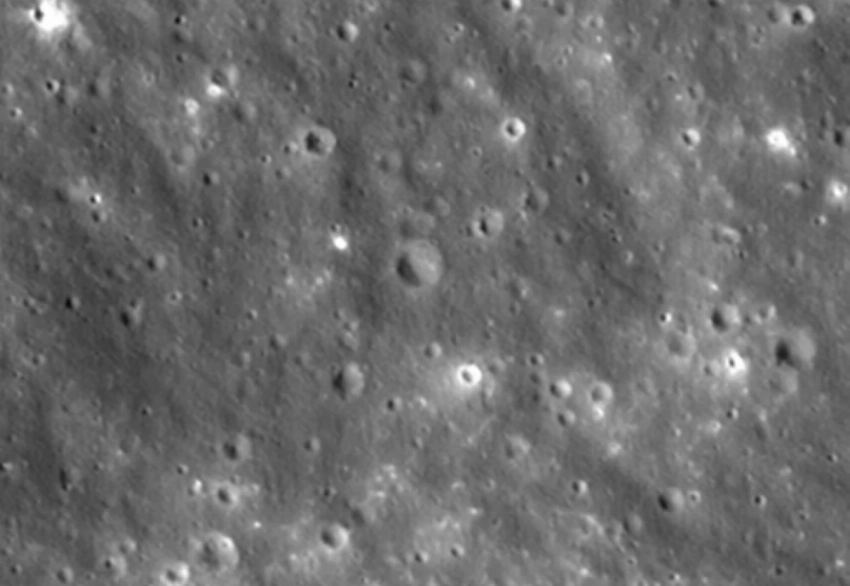
والتقط مسبار الاستطلاع المداري القمري «LRO» سلسلة من الصور للفوهة الجديدة بين 11 و12 أغسطس، أي بعد نحو 6 أيام من الاصطدام.
وكانت المرحلة الصاروخية، التي يقدر حجمها بحجم حافلة، قد بقيت في الفضاء بعد إطلاق مهمة «Blue Ghost 1» التابعة لشركة «Firefly Aerospace» في يناير 2025، قبل أن ينتهي مسارها بالارتطام بسطح القمر.
أظهرت الصور التي نشرتها «ناسا» أن الاصطدام خلّف فوهة يبلغ عرضها نحو 60 قدمًا، أي أكثر من 18 مترًا، فيما يقل عمقها عن 10 أقدام، أو نحو 3 أمتار.
وللحصول على الصور، اضطر مهندسو «ناسا» إلى إمالة المسبار وتوجيه كاميراته بدقة نحو موقع الاصطدام، بينما كان يحلق على ارتفاع يقارب 60 ميلًا، أي نحو 97 كيلومترًا، فوق سطح القمر، بسرعة تصل إلى ميل واحد في الثانية.
وأوضحت «ناسا» أن توقيت التصوير كان بالغ الحساسية، إذ كان التقاط الصورة قبل الموعد أو بعده بـ10 ثوان فقط كفيلًا بإبعاد موقع الاصطدام نحو 10 أميال عن مركز الصورة.
واستفاد العلماء من اختلاف زوايا التصوير والإضاءة لرصد خصائص الفوهة الجديدة، باستخدام الكاميرا ضيقة الزاوية في المسبار، والقادرة على تمييز معالم لا يتجاوز عرضها 3 أقدام، أي أقل من متر واحد.
وكشفت الصور عن خطوط داكنة وأخرى ساطعة تمتد حول موقع الاصطدام، وأوضحت الوكالة أن المواد الداكنة تتكون من غبار وصخور سطحية تعرضت على مدى فترات طويلة للرياح الشمسية والأشعة الكونية واصطدامات النيازك الدقيقة.
أما المناطق الأكثر سطوعًا قرب حافة الفوهة، فتمثل مواد أحدث قذفها الاصطدام من طبقات أعمق تحت سطح القمر.
لم يكن العثور على الفوهة جهدًا أمريكيًا فقط، إذ شارك علماء فلك مستقلون وخبراء وفرق دولية في تتبع المرحلة الصاروخية وتحديد مسارها.
واستخدم مركز دراسات الأجسام القريبة من الأرض التابع لـ«ناسا» الحادث لاختبار أدواته المخصصة لحساب مسارات الأجسام والتنبؤ بمواقع اصطدامها.
كما التقط المسبار الكوري الجنوبي «دانوري» صورًا للفوهة بعد ساعات من الاصطدام، وتبين أن الحسابات السابقة حددت الموقع بدقة وصلت إلى نحو 0.6 ميل.
وبعد مقارنة الصور الجديدة بلقطات المنطقة قبل الاصطدام، حدد فريق «ناسا» مركز الفوهة عند الإحداثيات 19.4759 درجة شمالًا و266.7138 درجة شرقًا.
وبذلك تحول سقوط قطعة صاروخية مستهلكة على القمر إلى تجربة علمية فعلية، أتاحت للباحثين اختبار دقة التنبؤ بالاصطدامات، ودراسة الطريقة التي تكشف بها الاصطدامات الحديثة عن مواد مدفونة تحت سطح القمر.
The American space agency “NASA” has documented a new crater on the surface of the Moon, formed after the upper stage of the “Falcon 9” rocket belonging to “SpaceX” collided with the lunar surface on August 5th.
The lunar reconnaissance orbiter “LRO” captured a series of images of the new crater between August 11 and 12, about 6 days after the collision.
The rocket stage, estimated to be the size of a bus, remained in space after the launch of the “Blue Ghost 1” mission by “Firefly Aerospace” in January 2025, before its trajectory ended with a crash on the Moon’s surface.
The images published by “NASA” showed that the collision left a crater approximately 60 feet wide, or more than 18 meters, with a depth of less than 10 feet, or about 3 meters.
To obtain the images, “NASA” engineers had to tilt the orbiter and precisely direct its cameras toward the impact site while flying at an altitude of about 60 miles, or approximately 97 kilometers, above the Moon’s surface, at a speed of up to one mile per second.
“NASA” explained that the timing of the photography was extremely sensitive, as capturing the image just 10 seconds before or after the scheduled time could have shifted the impact site about 10 miles from the center of the image.
Scientists took advantage of the differences in angles and lighting to observe the characteristics of the new crater, using the narrow-angle camera on the orbiter, which is capable of distinguishing features no wider than 3 feet, or less than one meter.
The images revealed dark and bright lines extending around the impact site, with the agency indicating that the dark materials consist of dust and surface rocks that have been exposed to solar winds, cosmic rays, and impacts from tiny meteoroids over long periods.
The brighter areas near the edge of the crater represent newer materials ejected by the impact from deeper layers beneath the Moon’s surface.
Finding the crater was not solely an American effort, as independent astronomers, experts, and international teams participated in tracking the rocket stage and determining its trajectory.
The NASA Near-Earth Object Studies Center used the incident to test its tools designed for calculating the trajectories of objects and predicting their impact locations.
The South Korean orbiter “Danuri” also captured images of the crater hours after the collision, revealing that previous calculations pinpointed the location with an accuracy of about 0.6 miles.
After comparing the new images with snapshots of the area before the collision, the “NASA” team identified the center of the crater at the coordinates 19.4759 degrees North and 266.7138 degrees East.
Thus, the fall of a spent rocket piece on the Moon turned into a real scientific experiment, allowing researchers to test the accuracy of impact predictions and study how recent impacts reveal materials buried beneath the Moon’s surface.