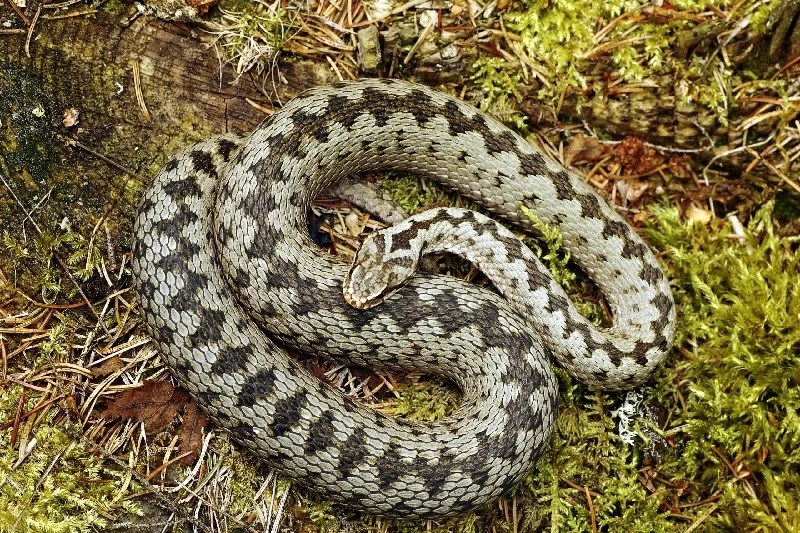
نجا طفل أسترالي يبلغ من العمر ست سنوات من حادث خطير بعد تعرُّضه للدغة أفعى سامة في إحدى حدائق منطقة (ساذرلاند) في اسكتلندا، بعدما ظن أن الزاحف الذي شاهده مجرد سحلية غير مؤذية.

وكان الطفل، المعروف بشغفه بالحيوانات، قد لاحظ الزاحف عقب خروجه من المدرسة، فاقترب منه معتقدًا أنه «سحلية بطيئة بلا أرجل»، قبل أن يفاجأ بهجوم مفاجئ انتهى بلدغة في سبابة يده اليسرى. وتبيّن لاحقًا أن الحيوان هو (الأفعى الشرسة: Adder) وهي واحدة من أكثر الأفاعي السامة انتشارًا في بريطانيا.
وبعد إصابته، ركض الطفل نحو منزل جدته القريب من الحديقة، حيث بدأ تورم شديد يمتد من أصابعه إلى رسغه؛ ما استدعى نقله فورًا إلى المستشفى لتلقي المصل المضاد للسموم.
ووفق ما نقلته مجلة (بيبول)، واجه الأطباء مخاوف من احتمال تعرض الطفل لصدمة حساسية قد تؤثر في وظائفه الحيوية، خصوصًا بعد انخفاض معدل ضربات قلبه وتنفسه، قبل أن يتضح أن الأمر مرتبط بالإرهاق والنوم العميق. وبعد تلقي العلاج واستقرار حالته، خرج الطفل من المستشفى، لكنه عاد بعد 11 يومًا إثر إصابته بما يُعرف بـ(مرض المصل)، وهو رد فعل مناعي ناتج عن مضاد السموم، تسبب في تورم المفاصل وظهور طفح جلدي، قبل أن تؤكد والدته تعافيه الكامل لاحقًا.
وتسلّط الحادثة الضوء على خطورة التعامل مع الزواحف في البيئات الطبيعية، خصوصًا لدى الأطفال الذين قد يخلطون بين الأنواع غير السامة والأفاعي الخطرة، في وقت تؤكد فيه الجهات الصحية أهمية التوعية وتجنب الاقتراب من أي زاحف مجهول الهوية.
An Australian six-year-old boy survived a serious incident after being bitten by a venomous snake in a park in the Sutherland area of Scotland, after mistaking the reptile he saw for a harmless lizard.
The boy, known for his passion for animals, noticed the reptile after leaving school and approached it, believing it to be a “slow lizard without legs,” before being surprised by a sudden attack that ended with a bite on the index finger of his left hand. It later turned out that the animal was the adder, one of the most widespread venomous snakes in Britain.
After being bitten, the boy ran to his grandmother’s house near the park, where severe swelling began to extend from his fingers to his wrist; this necessitated his immediate transfer to the hospital to receive the antivenom.
According to what was reported by People magazine, doctors faced concerns about the possibility of the boy experiencing an allergic shock that could affect his vital functions, especially after his heart rate and breathing decreased, before it became clear that the issue was related to fatigue and deep sleep. After receiving treatment and stabilizing his condition, the boy was discharged from the hospital, but he returned 11 days later after developing what is known as serum sickness, an immune reaction caused by the antivenom, which led to joint swelling and a rash, before his mother later confirmed his full recovery.
The incident highlights the dangers of interacting with reptiles in natural environments, especially for children who may confuse non-venomous species with dangerous snakes, at a time when health authorities emphasize the importance of awareness and avoiding approaching any unidentified reptile.