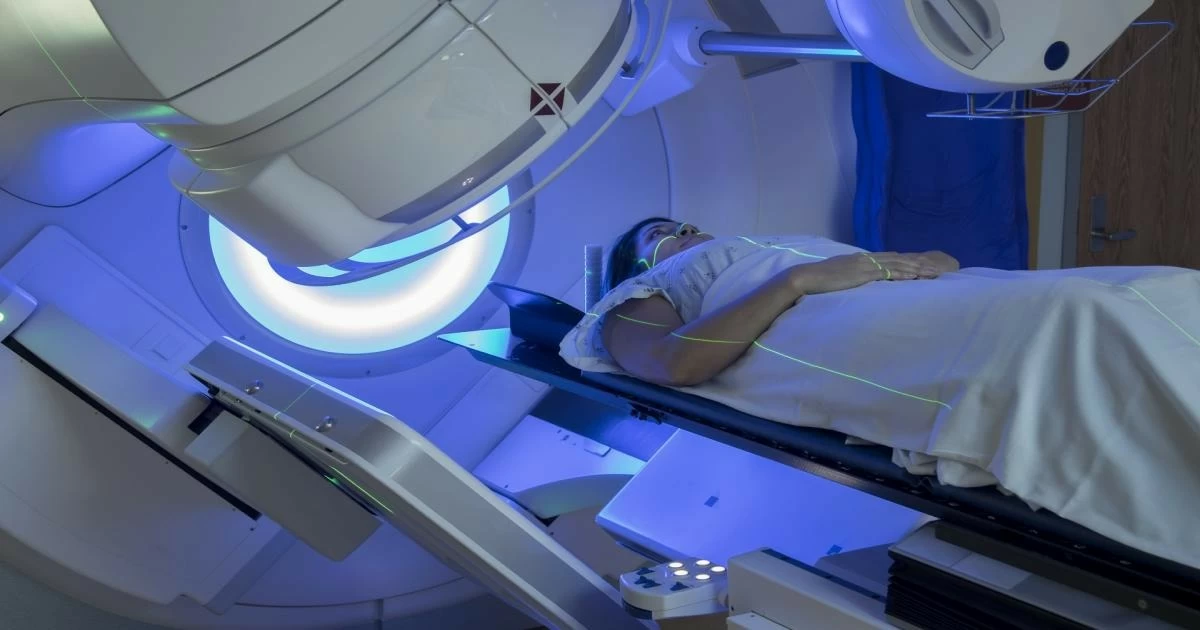

كشفت نتائج تجربة سريرية عشوائية من المرحلة الثالثة عن أن تقصير مدة العلاج الإشعاعي بعد استئصال الثدي لدى المصابات بسرطان الثدي مرتفع الخطورة قد يحقق فعاليةً مماثلةً للنظام التقليدي، مع انخفاضٍ ملحوظٍ في معدلات التفاعلات الجلدية الشديدة، والحفاظ على مستوياتٍ منخفضةٍ من المضاعفات الرئوية، وعدم تسجيل حالاتٍ من أمراض القلب الإقفارية خلال فترة المتابعة.
وشملت الدراسة، المعروفة باسم HypoMast-IMNI، مريضاتٍ يحتجن إلى تشعيع جدار الصدر والعقد اللمفاوية الإقليمية، بما فيها العقد اللمفاوية الثديية الداخلية، وهي منطقة تتطلب عنايةً خصوصاً عند التخطيط للعلاج الإشعاعي لقربها من القلب والرئتين.
ونُشرت نتائج التجربة ضمن دراسةٍ هدفت إلى تقييم مدى أمان وفعالية نظامٍ إشعاعيٍ مختصرٍ مقارنةً بالنظام التقليدي لدى المصابات بسرطان الثدي القابل للجراحة والمرتفع الخطورة بعد استئصال الثدي.
16 جلسةً بدلاً من 25
اعتمدت التجربة على مقارنة نظامين للعلاج الإشعاعي؛ الأول هو العلاج قصير المدة، بجرعةٍ إجماليةٍ تبلغ 42.56 غراي موزعةً على 16 جلسةً، والثاني هو النظام التقليدي، بجرعةٍ 50 غراي موزعةً على 25 جلسةً.
واستهدف النظامان جدار الصدر والعقد اللمفاوية الإقليمية، بما يشمل العقد الثديية الداخلية، مع استخدام تقنياتٍ حديثةٍ لتخطيط العلاج وتوزيع الجرعات، بهدف تغطية المناطق المعرضة لخطر عودة المرض مع تقليل تعرض الأنسجة السليمة للإشعاع.
وأُجريت التجربة في مركز فودان الجامعي لعلاج السرطان في شنغهاي بالصين، بمشاركة نساءٍ تتراوح أعمارهن بين 18 و70 عاماً، ممن خضعن لاستئصال الثدي وجراحة استئصال العقد اللمفاوية الإبطية، واستوفين معايير محددةً تشير إلى ارتفاع خطر عودة المرض.
وبين سبتمبر 2018 ويوليو 2022، جرى توزيع 1494 مريضةً عشوائياً بين مجموعتي العلاج. وبعد استبعاد 65 حالةً لأسبابٍ شملت سحب الموافقة أو عدم استيفاء شروط المشاركة أو فقدان المتابعة، شمل التحليل النهائي 1429 مريضةً، بواقع 716 في مجموعة العلاج المختصر و713 في مجموعة العلاج التقليدي.
معدلات منخفضة لعودة المرض موضعياً وإقليمياً
وبعد متابعةٍ امتدت إلى متوسطٍ زمنيٍ قدره 58.1 شهراً، أظهرت النتائج أن معدل حدوث عودة السرطان موضعياً أو في العقد اللمفاوية الإقليمية خلال خمس سنواتٍ بلغ 1.7% لدى من تلقين العلاج المختصر، مقابل 2.2% لدى من تلقين العلاج التقليدي.
واستوفى النظام المختصر معيار عدم الدونية المحدد مسبقاً في الدراسة، ما يعني أن نتائجه لم تكن أسوأ من نتائج النظام التقليدي بما يتجاوز الهامش الإحصائي المقبول الذي حددته التجربة.
كما لم تُظهر النتائج فروقاً ذات دلالةٍ إحصائيةٍ بين المجموعتين في مؤشرات البقاء دون انتشار المرض إلى أماكن بعيدةٍ، والبقاء دون عودة سرطان الثدي، والبقاء دون حدوث المرض أو تطوره، والبقاء الإجمالي.
وبلغ معدل البقاء دون انتشارٍ بعيدٍ للمرض خلال خمس سنواتٍ 92.3% في مجموعة العلاج المختصر، مقارنةً بـ92.7% في مجموعة العلاج التقليدي. أما البقاء الإجمالي خلال الفترة نفسها، فبلغ 95.1% مقابل 96.1% على التوالي، دون وجود فرقٍ ذي دلالةٍ إحصائيةٍ.
وتشير هذه النتائج إلى إمكانية تقليص عدد الجلسات العلاجية مع الحفاظ على مستوياتٍ مماثلةٍ من السيطرة على المرض لدى الفئة التي شملتها الدراسة، دون أن تعني بالضرورة إثبات التكافؤ المطلق بين النظامين في جميع الحالات.
انخفاض واضح في الآثار الجانبية الجلدية
وكان الاختلاف الأبرز بين النظامين متعلقاً بالآثار الجانبية الجلدية الحادة. فقد انخفض معدل السمية الجلدية الشديدة من الدرجة الثالثة من 12.2% لدى المريضات اللاتي تلقين العلاج التقليدي إلى 1.7% لدى مجموعة العلاج المختصر، وهو فرقٌ ذو دلالةٍ إحصائيةٍ.
كما سجلت مجموعة العلاج المختصر معدلاتٍ أقل من بعض الأعراض الجلدية، مثل الحكة والألم، إلى جانب انخفاضٍ ملحوظٍ في فرط التصبغ الجلدي المتأخر من الدرجتين الأولى والثانية.
وفي المقابل، ظلت المضاعفات الرئوية الخطيرة نسبياً منخفضةً ومتقاربةً بين المجموعتين؛ إذ بلغ معدل التهاب الرئة الإشعاعي من الدرجة الثانية أو أعلى 2% مع النظام المختصر، مقابل 2.1% مع النظام التقليدي. وبلغ معدل التليف الرئوي 1.3% في كلتا المجموعتين.
ولم تُسجل حالاتٌ من أمراض القلب الإقفارية خلال فترة المتابعة، كما لم تظهر فروقٌ مهمةٌ بين النظامين في عددٍ من المضاعفات الأخرى، ومنها الوذمة اللمفية ومشكلات الكتف وإصابات الضفيرة العضدية وكسور الأضلاع.
ومع ذلك، فإن عدم تسجيل أحداثٍ قلبيةٍ إقفاريةٍ خلال هذه الفترة لا يستبعد احتمال ظهور آثارٍ قلبيةٍ متأخرةٍ، وهو ما يستدعي استمرار المتابعة على المدى الطويل.
أهمية النتائج وحدود تطبيقها
وتكتسب الدراسة أهميتها من تركيزها على المريضات اللاتي يحتجن إلى تشعيع العقد اللمفاوية الثديية الداخلية، وهي فئةٌ ظلت الأدلة المتعلقة باستخدام العلاج الإشعاعي المختصر لديها محدودةً مقارنةً بالمريضات اللاتي يتلقين الإشعاع بعد جراحات الحفاظ على الثدي.
ويتيح تقليل عدد الجلسات من 25 إلى 16 إمكانيةً لتخفيف العبء الزمني والمالي المرتبط بالعلاج، وتقليل عدد الزيارات إلى مراكز الأورام، مع احتمال تحسين راحة المريضات والاستفادة من قدرات أقسام العلاج الإشعاعي.
لكن الباحثين أشاروا إلى عدة حدودٍ للدراسة، أبرزها إجراؤها في مركزٍ واحدٍ، واستبعاد المريضات اللاتي تلقين العلاج الكيميائي قبل الجراحة، وخضوع جميع المشاركات لاستئصال العقد اللمفاوية الإبطية.
ولذلك، لا يمكن تعميم النتائج تلقائياً على جميع المريضات، خصوصاً الحالات التي تتلقى علاجاتٍ تمهيديةً حديثةً قبل الجراحة أو تنتمي إلى فئاتٍ عاليةِ الخطورة لم تُمثَّل بصورةٍ كافيةٍ في التجربة.
كما أن النتائج، رغم امتداد المتابعة إلى نحو خمس سنواتٍ، تحتاج إلى استكمال المتابعة لتقييم الآثار المتأخرة، خصوصاً المضاعفات القلبية.
وخلص الباحثون إلى أن نظام العلاج الإشعاعي بواقع 16 جلسةً يمثل خياراً فعالاً وآمناً نسبياً للمريضات المصابات بسرطان الثدي القابل للجراحة والمرتفع الخطورة، ممن يحتجن إلى العلاج الإشعاعي بعد استئصال الثدي، بما في ذلك تشعيع العقد اللمفاوية الثديية الداخلية.
وأكدت النتائج تفوق النظام المختصر في الحد من التفاعلات الجلدية الحادة الشديدة، مع الحفاظ على فعالية السيطرة على المرض ومعدلاتٍ منخفضةٍ من المضاعفات القلبية والرئوية المسجلة خلال المتابعة.
The results of a randomized phase III clinical trial revealed that shortening the duration of radiation therapy after mastectomy in women with high-risk breast cancer may achieve similar efficacy to the conventional regimen, with a significant reduction in rates of severe skin reactions, maintaining low levels of pulmonary complications, and no recorded cases of ischemic heart disease during the follow-up period.
The study, known as HypoMast-IMNI, included patients who required irradiation of the chest wall and regional lymph nodes, including the internal mammary lymph nodes, an area that requires special attention when planning radiation therapy due to its proximity to the heart and lungs.
The results of the trial were published in a study aimed at evaluating the safety and efficacy of a shortened radiation regimen compared to the conventional regimen in women with resectable high-risk breast cancer after mastectomy.
16 sessions instead of 25
The trial compared two radiation therapy regimens; the first was a short-duration treatment with a total dose of 42.56 Gray distributed over 16 sessions, while the second was the conventional regimen with a dose of 50 Gray distributed over 25 sessions.
Both regimens targeted the chest wall and regional lymph nodes, including the internal mammary nodes, using modern techniques for treatment planning and dose distribution, aiming to cover areas at risk of disease recurrence while minimizing exposure of healthy tissues to radiation.
The trial was conducted at the Fudan University Cancer Center in Shanghai, China, with participation from women aged 18 to 70 years who underwent mastectomy and axillary lymph node dissection and met specific criteria indicating a high risk of disease recurrence.
Between September 2018 and July 2022, 1494 patients were randomly assigned to the two treatment groups. After excluding 65 cases for reasons including withdrawal of consent, failure to meet participation criteria, or loss to follow-up, the final analysis included 1429 patients, with 716 in the short treatment group and 713 in the conventional treatment group.
Low rates of local and regional disease recurrence
After a follow-up period averaging 58.1 months, the results showed that the rate of local or regional cancer recurrence over five years was 1.7% in those who received the short treatment, compared to 2.2% in those who received the conventional treatment.
The short regimen met the pre-defined non-inferiority criterion in the study, meaning its results were not worse than those of the conventional regimen beyond the acceptable statistical margin set by the trial.
Furthermore, the results did not show statistically significant differences between the two groups in indicators of disease-free survival, breast cancer recurrence-free survival, overall survival, or time to disease occurrence or progression.
The rate of distant disease-free survival over five years was 92.3% in the short treatment group, compared to 92.7% in the conventional treatment group. The overall survival rate during the same period was 95.1% versus 96.1%, respectively, with no statistically significant difference.
These results suggest the possibility of reducing the number of treatment sessions while maintaining similar levels of disease control in the studied population, although this does not necessarily imply absolute equivalence between the two regimens in all cases.
Clear reduction in skin side effects
The most notable difference between the two regimens was related to acute skin side effects. The rate of severe grade 3 skin toxicity decreased from 12.2% in patients receiving the conventional treatment to 1.7% in the short treatment group, a statistically significant difference.
The short treatment group also recorded lower rates of certain skin symptoms, such as itching and pain, along with a notable reduction in late skin hyperpigmentation of grades one and two.
In contrast, serious pulmonary complications remained relatively low and similar between the two groups; the rate of grade 2 or higher radiation pneumonia was 2% with the short regimen, compared to 2.1% with the conventional regimen. The rate of pulmonary fibrosis was 1.3% in both groups.
No cases of ischemic heart disease were recorded during the follow-up, and there were no significant differences between the two regimens in several other complications, including lymphedema, shoulder problems, brachial plexus injuries, and rib fractures.
However, the absence of recorded ischemic cardiac events during this period does not rule out the possibility of late cardiac effects, necessitating continued long-term follow-up.
Importance of results and limitations of their application
The study’s significance lies in its focus on patients who require irradiation of the internal mammary lymph nodes, a group for which evidence regarding the use of shortened radiation therapy has been limited compared to patients receiving radiation after breast-conserving surgeries.
Reducing the number of sessions from 25 to 16 provides an opportunity to alleviate the time and financial burden associated with treatment, decrease the number of visits to oncology centers, potentially improve patient comfort, and utilize the capabilities of radiation therapy departments more effectively.
However, the researchers pointed out several limitations of the study, notably that it was conducted at a single center, excluded patients who received chemotherapy prior to surgery, and that all participants underwent axillary lymph node dissection.
Therefore, the results cannot be automatically generalized to all patients, especially those receiving modern neoadjuvant treatments before surgery or belonging to high-risk categories that were not adequately represented in the trial.
Additionally, despite the follow-up extending to nearly five years, further follow-up is needed to assess late effects, particularly cardiac complications.
The researchers concluded that the radiation therapy regimen of 16 sessions represents a relatively effective and safe option for patients with resectable high-risk breast cancer who require radiation therapy after mastectomy, including irradiation of the internal mammary lymph nodes.
The results confirmed the superiority of the short regimen in reducing severe acute skin reactions while maintaining effective disease control and low rates of recorded cardiac and pulmonary complications during follow-up.