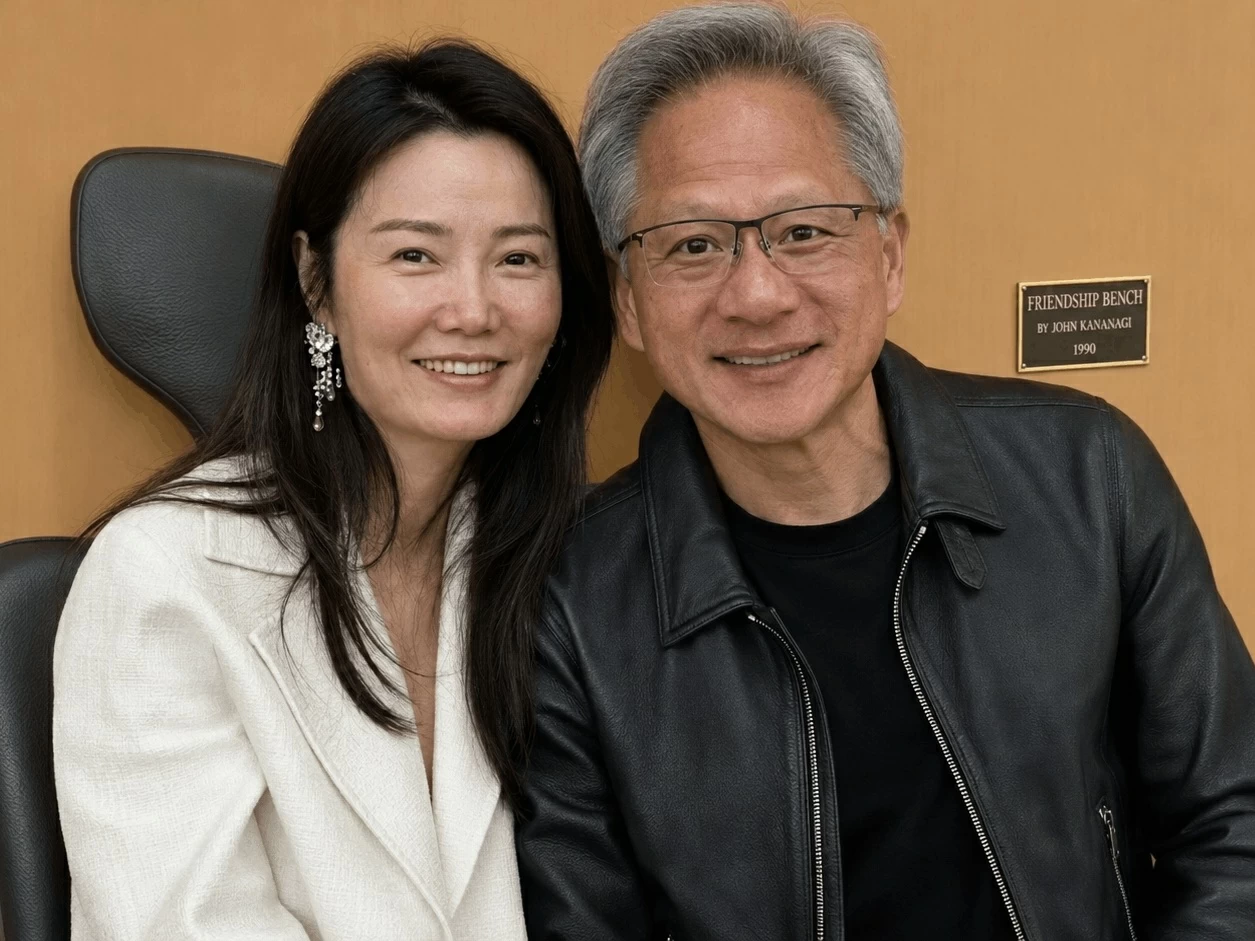

لم تعد التحديات التي تواجه «إنفيديا» مرتبطة بالمنافسة في سوق الرقائق أو السباق العالمي لتطوير الذكاء الاصطناعي، بعدما وجد مؤسسها ورئيسها التنفيذي جنسن هوانغ نفسه أمام أزمة تتداخل فيها حياته الشخصية مع مخاوف أمنية وتجارية حساسة، وسط شبهات بشأن احتمال استغلال علاقة عاطفية للوصول إلى معلومات تخص واحدة من أكثر شركات التكنولوجيا نفوذاً في العالم.
بدأت القضية مع تقارير إعلامية أميركية تحدثت عن علاقة هوانغ بسيدة الأعمال الصينية أليس هوانغ، التي تحوم حولها شبهات تتعلق بصلاتها بأجهزة الاستخبارات الصينية. وأثارت التقارير مخاوف من احتمال استغلال هذه العلاقة للحصول على معلومات داخلية أو التأثير في قرارات الشركة، خصوصاً ما يتعلق بتعاملاتها مع السوق الصينية.
وعلى وقع هذه المزاعم، قرر مجلس إدارة «إنفيديا» فتح تحقيق مستقل، تتولاه لجنة مختصة بمساعدة مستشارين قانونيين، للتحقق من التقارير وتحديد ما إذا كان رئيس الشركة قد تعرض لمحاولة استهداف استخباراتي.
وتتركز التساؤلات حول طبيعة العلاقة مع أليس هوانغ، التي شغلت مناصب تنفيذية في شركة «ميغاسبيد إنترناشيونال» السنغافورية العاملة في مجال الحوسبة السحابية. وكانت الشركة قد خضعت لتدقيق أميركي على خلفية شبهات تتعلق بمساعدة شركات صينية في الوصول إلى رقائق متطورة.
وتشير تقارير إلى أن أجهزة استخبارات أميركية تشتبه في عمل أليس هوانغ لصالح بكين، إلا أن هذه المزاعم لم تثبت بصورة مستقلة. في المقابل، نفت الصين اتهامات التجسس، ووصفتها بأنها ادعاءات تفتقر إلى الأدلة.
وتنبع حساسية القضية من احتمال ارتباطها بملف تصدير رقائق الذكاء الاصطناعي المتقدمة إلى الصين، وهو أحد أبرز محاور التوتر التكنولوجي بين واشنطن وبكين. وتخشى السلطات الأميركية من أن تكون العلاقة قد استُخدمت للوصول إلى معلومات تجارية أو تقنية، أو للتأثير في توجهات «إنفيديا» بشأن السوق الصينية.
ورغم خطورة هذه الشبهات، أكد مجلس إدارة الشركة أنه لا توجد لديه أسباب تدفعه إلى الاعتقاد بأن أسراراً تجارية أو معلومات حساسة تعرضت للاختراق. كما أبدى هوانغ استعداده للتعاون الكامل مع التحقيق، الذي لم تُعلن نتائجه بعد.
ضغوط على السهم وسمعة الشركة
لم تبق تداعيات الأزمة داخل أروقة الشركة، بل امتدت إلى الأسواق المالية، حيث تراجع سهم «إنفيديا» بنحو 4.3 في المئة خلال إحدى جلسات التداول، ما أدى إلى تبخر قرابة 190 مليار دولار من قيمتها السوقية، وفقاً لرويترز.
وجاء الهبوط وسط مخاوف المستثمرين من تأثير القضية على سمعة الشركة واستقرار قيادتها، في وقت تحتل فيه «إنفيديا» موقعاً محورياً في صناعة الذكاء الاصطناعي، وتخضع رقائقها الأكثر تطوراً لقيود أميركية تحد من تصديرها إلى الصين.
اعتراف شخصي يزيد الأزمة تعقيداً
وفي موازاة التحقيق الأمني، اتخذت القضية منحى شخصياً بعدما أقر هوانغ بعدم إخلاصه لزوجته، وقدم اعتذاراً علنياً لها ولأفراد أسرته، في رسالة وجهها إلى موظفي الشركة. وأعرب عن أسفه لما تسبب به من أذى لعائلته، مؤكداً تحمله مسؤولية تصرفاته.
كما وجه اعتذاراً إلى موظفي «إنفيديا» ومجلس إدارتها والمساهمين، مشدداً على التزامه بمواصلة قيادة الشركة والتعاون مع التحقيق الجاري.
وأضفى هذا الاعتراف بعداً إضافياً على القضية، خصوصاً أن هوانغ لطالما ظهر في مناسبات عامة بوصفه رجلاً شديد الارتباط بأسرته. وهو متزوج من لوري هوانغ منذ عام 1985، ولديهما طفلان، ارتبطت أسرتهما بمسيرته المهنية؛ إذ يعمل نجلاه في «إنفيديا»، فيما عُرفت زوجته بأنشطتها الخيرية والتعليمية.
وبذلك، لم تعد الأزمة مقتصرة على اتهامات تمس الحياة الشخصية لرئيس الشركة، بل باتت تشمل تساؤلات عن أمن المعلومات واحتمال التدخل الاستخباراتي، إلى جانب انعكاساتها على ثقة المستثمرين.
The challenges facing “NVIDIA” are no longer related to competition in the chip market or the global race to develop artificial intelligence, as its founder and CEO Jensen Huang finds himself in a crisis where his personal life intertwines with sensitive security and business concerns, amid suspicions about the potential exploitation of a romantic relationship to access information related to one of the most influential technology companies in the world.
The issue began with American media reports discussing Huang’s relationship with Chinese businesswoman Alice Huang, who is under suspicion due to her connections with Chinese intelligence agencies. The reports raised concerns about the possibility of this relationship being exploited to obtain internal information or influence the company’s decisions, particularly regarding its dealings with the Chinese market.
In light of these allegations, NVIDIA’s board of directors decided to open an independent investigation, led by a specialized committee with the assistance of legal advisors, to verify the reports and determine whether the company’s president had been the target of intelligence efforts.
Questions focus on the nature of the relationship with Alice Huang, who held executive positions at Singapore-based “Megaspeed International,” a company operating in the cloud computing sector. The company had undergone American scrutiny over suspicions related to assisting Chinese firms in accessing advanced chips.
Reports indicate that American intelligence agencies suspect Alice Huang of working for Beijing, although these allegations have not been independently substantiated. In contrast, China has denied the espionage accusations, describing them as unfounded claims lacking evidence.
The sensitivity of the issue arises from its potential connection to the export of advanced artificial intelligence chips to China, which is one of the main points of technological tension between Washington and Beijing. U.S. authorities fear that the relationship may have been used to access commercial or technical information or to influence NVIDIA’s strategies regarding the Chinese market.
Despite the seriousness of these suspicions, the company’s board confirmed that it has no reason to believe that trade secrets or sensitive information have been compromised. Huang also expressed his willingness to fully cooperate with the ongoing investigation, the results of which have not yet been announced.
Pressure on the stock and the company’s reputation
The repercussions of the crisis did not remain confined to the company’s halls but extended to the financial markets, where NVIDIA’s stock fell by about 4.3 percent during one trading session, leading to the evaporation of nearly $190 billion from its market value, according to Reuters.
The decline came amid investors’ fears about the impact of the case on the company’s reputation and the stability of its leadership, at a time when NVIDIA occupies a pivotal position in the artificial intelligence industry, and its most advanced chips are subject to U.S. restrictions limiting their export to China.
Personal admission complicates the crisis
Alongside the security investigation, the case took a personal turn when Huang admitted to being unfaithful to his wife and publicly apologized to her and his family in a message addressed to the company’s employees. He expressed regret for the harm he caused his family, affirming his responsibility for his actions.
He also apologized to NVIDIA employees, its board of directors, and shareholders, emphasizing his commitment to continue leading the company and cooperating with the ongoing investigation.
This admission added an additional dimension to the case, especially since Huang has often appeared at public events as a man deeply connected to his family. He has been married to Lori Huang since 1985, and they have two children, with their family being linked to his professional career; both of his sons work at NVIDIA, while his wife is known for her charitable and educational activities.
Thus, the crisis is no longer limited to accusations affecting the personal life of the company’s president, but now includes questions about information security and the possibility of intelligence interference, along with its implications for investor confidence.