
As Saudi Arabia celebrates its 96th National Day on Sept. 23, the occasion offers more than an opportunity to reflect on the Kingdom’s remarkable journey of unity and development.
It is also a moment to assess how profoundly its economic landscape has changed and how far the transformation under Saudi Vision 2030 has progressed.
Over the past decade, Saudi Arabia has pursued an ambitious agenda of economic diversification, regulatory reform and investment-led growth. These efforts have strengthened the Kingdom’s resilience amid global economic volatility, energy market uncertainty and supply-chain disruptions caused by geopolitical tensions.
The scale of the transformation is evident in the expansion of the economy. Saudi Arabia’s gross domestic product rose from approximately SR2.6 trillion ($693 billion) in 2020 to SR4.7 trillion ($1.25 trillion) in 2024, driven by strong growth across tourism, entertainment, technology, transportation and logistics, manufacturing and other non-oil activities.
Tourism has emerged as a particularly important contributor. The Kingdom welcomed approximately 116 million domestic and international tourists in 2024, generating SR283.8 billion in spending. In 2025, visitor numbers rose by about 6 percent to a record 123 million, while spending increased by 7 percent to approximately SR304 billion.
The economy is expected to maintain its upward trajectory, with GDP projected to reach about SR5 trillion in 2026, SR5.2 trillion in 2027 and SR5.6 trillion in 2028.
The digital economy provides another clear measure of diversification. Its contribution to GDP increased from 15.6 percent in 2023 to 16 percent in 2024, reflecting continued investment in telecommunications, artificial intelligence, cloud computing, fintech and e-commerce.
Foreign investment has likewise become an increasingly important component of the Kingdom’s economic transformation. Foreign direct investment inflows rose by 24.2 percent in 2024 to SR119.2 billion, reflecting the effects of regulatory reforms, investment incentives, major development projects and the growing domestic market.
The Kingdom has also attracted more than 780 multinational companies that have relocated their regional headquarters to Saudi Arabia, primarily Riyadh. This reflects the growing importance of the Kingdom not only as a destination for capital, but also as a regional center for corporate operations and decision-making.
Industrial and mining development further illustrates the breadth of this transformation. These sectors are central to diversifying the Kingdom’s productive base, localizing supply chains, creating high-value employment and increasing non-oil exports.
The number of factories increased from approximately 7,200 in 2019 to 14,228 by June 2026, while the number of mining licenses reached 3,215.
Saudi Arabia has identified more than 45 types of mineral resources, including gold, copper, phosphate, bauxite, zinc and uranium. Their estimated value has nearly doubled from earlier assessments to approximately SR9.4 trillion. This underlines the mining sector’s potential to attract investment, support downstream industries and become a major pillar of the Kingdom’s diversified economy.
The transformation is equally visible in the labor market. Unemployment among Saudi nationals declined from 12.8 percent in 2018 to 6.4 percent in the first quarter of 2026, surpassing the original Vision 2030 target of 7 percent ahead of schedule. At the same time, Saudi women’s labor force participation reached 34.5 percent, exceeding the original target of 30 percent.
These gains reflect the combined impact of labor market reforms, investment in education and vocational training, and initiatives that have expanded women’s access to employment, entrepreneurship and leadership opportunities.
At the center of this broader transformation has been the Public Investment Fund. By deploying long-term capital, establishing national champions, attracting international partners and developing strategic sectors ranging from tourism and technology to renewable energy, mining, entertainment and advanced manufacturing, PIF has become a key instrument of economic diversification.
In 2025, PIF managed approximately SR3.4 trillion in assets, up substantially from SR500 billion in 2015. Its cumulative domestic investment exceeded SR746 billion between 2021 and 2025, while its activities contributed approximately 11 percent of the Kingdom’s non-oil GDP in 2025.
These figures demonstrate how PIF has evolved beyond the traditional role of a sovereign wealth fund into a major catalyst for diversification, private-sector participation, job creation and long-term national competitiveness.
Taken together, these developments point to an economy that is becoming broader, more investment-driven and less dependent on its traditional foundations. Tourism, digital industries, foreign investment, manufacturing, mining, labor market reform, women’s economic participation and PIF-led investment are no longer isolated strands of policy. They are increasingly interconnected elements of a wider economic transformation.
As Saudi Arabia enters its 97th year, the significance of Vision 2030 lies not simply in the scale of the targets achieved, but in the structural changes taking place across the economy. The challenge now is to sustain this momentum, deepen private sector participation and ensure that the gains of diversification translate into durable productivity, competitiveness and prosperity.
The Kingdom’s National Day is therefore not only a celebration of what Saudi Arabia has accomplished. It is also a reminder that the transformation is still unfolding — and that the next phase will be defined by how effectively the foundations laid over the past decade are converted into lasting economic strength.
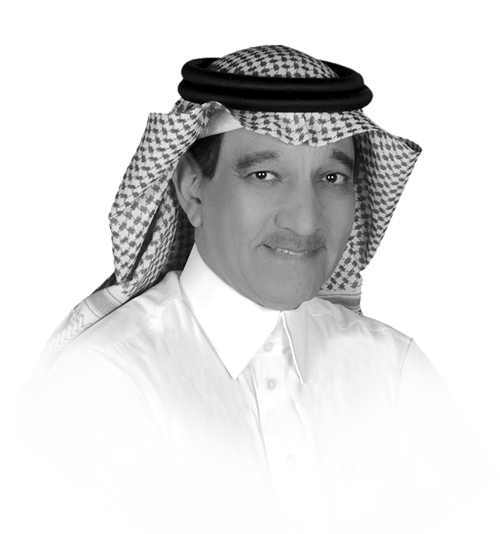
• Talat Zaki Hafiz is an economist and financial analyst.
X:@TalatHafiz