RIYADH: Saudi Arabia’s push to become a global tourism destination is reshaping its hospitality sector, drawing international hotel operators and developers into a market backed by more than $120 billion in tourism investment.
With over 50 global hospitality brands expanding their presence and a pipeline expected to add more than 200,000 hotel keys by 2030, the sector is positioning itself for a new wave of demand as the country targets 150 million annual visitors by the end of the decade.
Key factors driving investment in Saudi Arabia
The Kingdom is particularly attractive as its market grows and expectations rise, creating opportunities while placing greater responsibility on developers to understand demand, choose the right product and maintain high standards in delivery and operations.
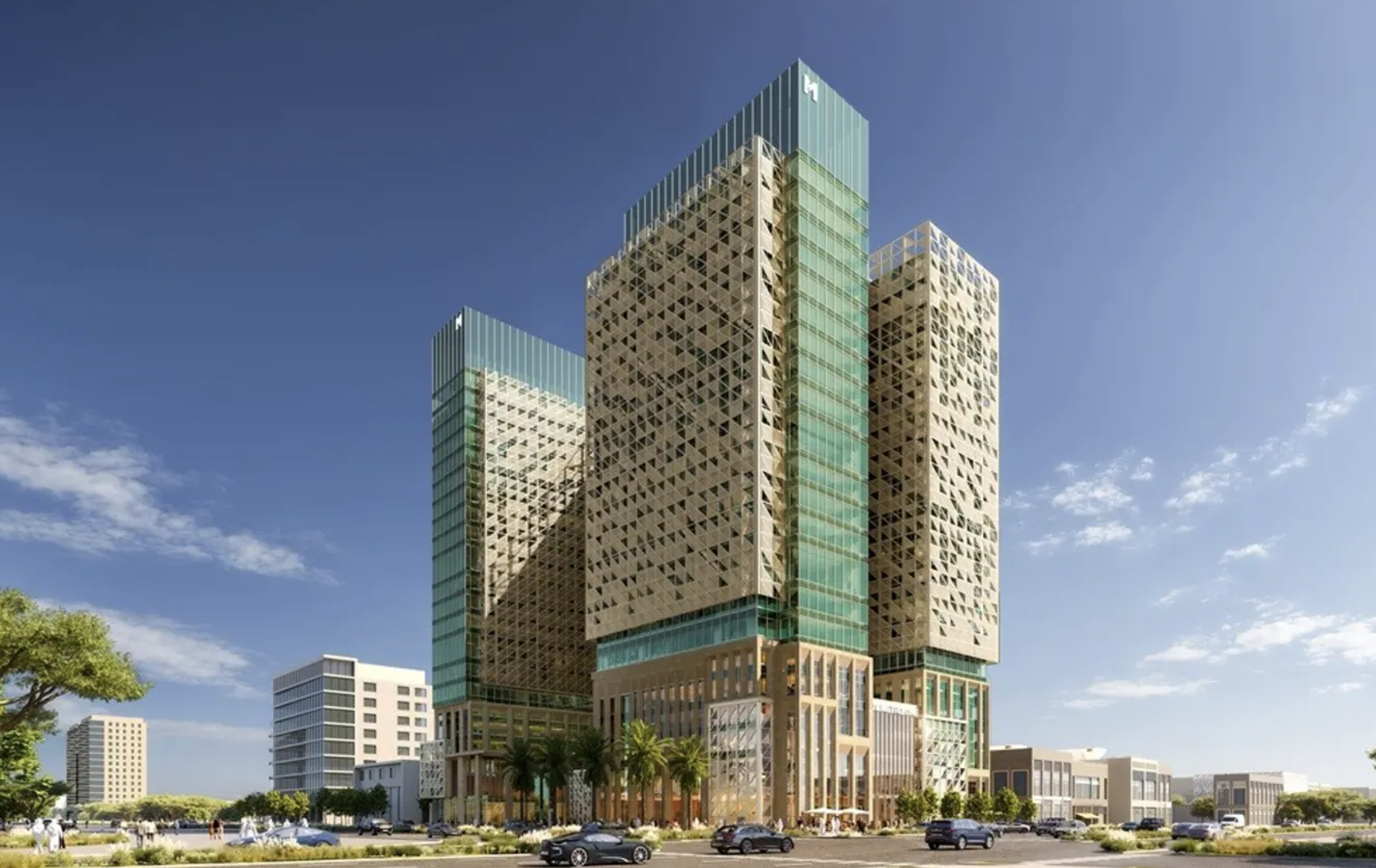
Real estate development and investment firm Blacksand is working with global hospitality firm Marriott as its operating partner across 10 hotels and more than 1,300 rooms in Saudi Arabia.
The partnership was announced in June, when a SR5 billion ($1.33 billion) agreement was signed at the Future Hospitality Summit in Riyadh.
The deal will see the creation of almost 11,000 jobs covering the construction and operation of the facilities, which will provide 1,300 rooms in the next four years.
The companies aim to generate over 6,000 full-time roles, with 60 percent of those dedicated to Saudi nationals
Blacksand CEO Omar Al-Abdullatif told Arab News it chose to work with Marriott because of its global brand portfolio and extensive operating experience.
“For us, choosing an operator is not a decision made after a hotel has been designed,” he said, adding: “It needs to happen early because the operator influences the concept, the guest experience, the operational model, and ultimately how the asset performs over the long term.”

Saudi Arabia’s heritage attracts luxury hospitality brands
Saudi Arabia’s cultural heritage and natural diversity are also attracting international luxury hospitality groups, with Aman Group identifying the country as a natural fit for its destination-led portfolio.
Vlad Doronin, chairman and CEO of Aman Group, told Arab News: “Across our portfolio, Aman operates 14 properties that are located in or close to UNESCO World Heritage Sites, reflecting our longstanding focus on destinations with exceptional cultural and historical significance.
“Saudi Arabia is home to some of the most important heritage sites in the region, making it a natural fit for the brand.”
The group’s strategy includes its forthcoming project in Hegra, AlUla, which Doronin described as a rare opportunity to develop within Saudi Arabia’s first UNESCO World Heritage Site.
He said the project reflects Aman’s commitment to preserving the heritage of globally significant destinations.

The Aman Group CEO added that Amansamar, located in Wadi Safar near Diriyah’s UNESCO-listed At-Turaif district, is another key part of the group’s long-term vision for Saudi Arabia. The project will include hotel suites and branded residences, forming part of Wadi Safar’s development into a cultural and lifestyle destination.
Doronin highlighted the role of Vision 2030 in accelerating the development of Saudi Arabia’s tourism sector, saying the country’s long history as a crossroads for trade, culture and travel had given it a deep-rooted connection to hospitality.
He said: “I had already visited the Kingdom previously, but during my visit in 2019, I was struck by the richness of its culture and heritage, but also by the ambition of what was being planned.
“Since then, the pace of progress has been extraordinary.
“Destinations such as Diriyah, AlUla and The Red Sea are establishing Saudi Arabia as one of the most compelling new luxury tourism markets in the world.”
Hotel operators adapt to Saudi Arabia’s evolving tourism market
For international hotel operators, Saudi Arabia’s expansion is creating opportunities across a wider range of destinations and hospitality segments, requiring brands to tailor their offerings to different traveller profiles and local market conditions.
Nizar Weshah, area vice president for Saudi Arabia and general manager of Grand Hyatt Al Khobar Hotel and Residences, told Arab News that Saudi Arabia remains one of Hyatt’s most important growth markets within the Europe, Africa and Middle East region, offering long-term opportunities across established gateway cities and emerging tourism destinations.
“The Kingdom’s tourism ambitions, continued investment in infrastructure and evolving domestic travel market create opportunities for a broader range of hospitality experiences, from business and select-service accommodation to luxury, lifestyle and wellbeing,” Weshah said.

Hyatt’s Saudi portfolio is expected to triple in the coming years, with expansion focused on introducing the right brands to different destinations and tailoring hospitality offerings to travellers’ needs, he said.
The strategy spans luxury, lifestyle and full-service hotels, with the aim of expanding guest choice rather than simply increasing the number of properties.
Recent openings and planned developments illustrate this approach.
Earlier this year, Hyatt welcomed the first guests to Miraval The Red Sea, marking the luxury wellbeing brand’s first resort outside the US.
Grand Hyatt The Red Sea is also expected to open later this year on Shura Island, adding accommodation for leisure travellers, destination weddings, meetings and events.
Hyatt Place AlUla is set to open in the coming months, further expanding the group’s presence in a key cultural destination, Weshah said.
The Hyatt official also emphasized the importance of agility as market conditions evolve, saying operators must adapt to changing traveller needs, work closely with owners and balance new hotel supply with demand while maintaining commercial performance and service standards.
He added that developing local talent would be fundamental to the sector’s long-term success, pointing to Hyatt’s participation in the Saudi Ministry of Tourism’s Hospitality Ambassadors Programme, which provides Saudi talent with opportunities to gain international hospitality experience and develop their skills.