4 min readUpdated: May 23, 2026 09:18 AM IST
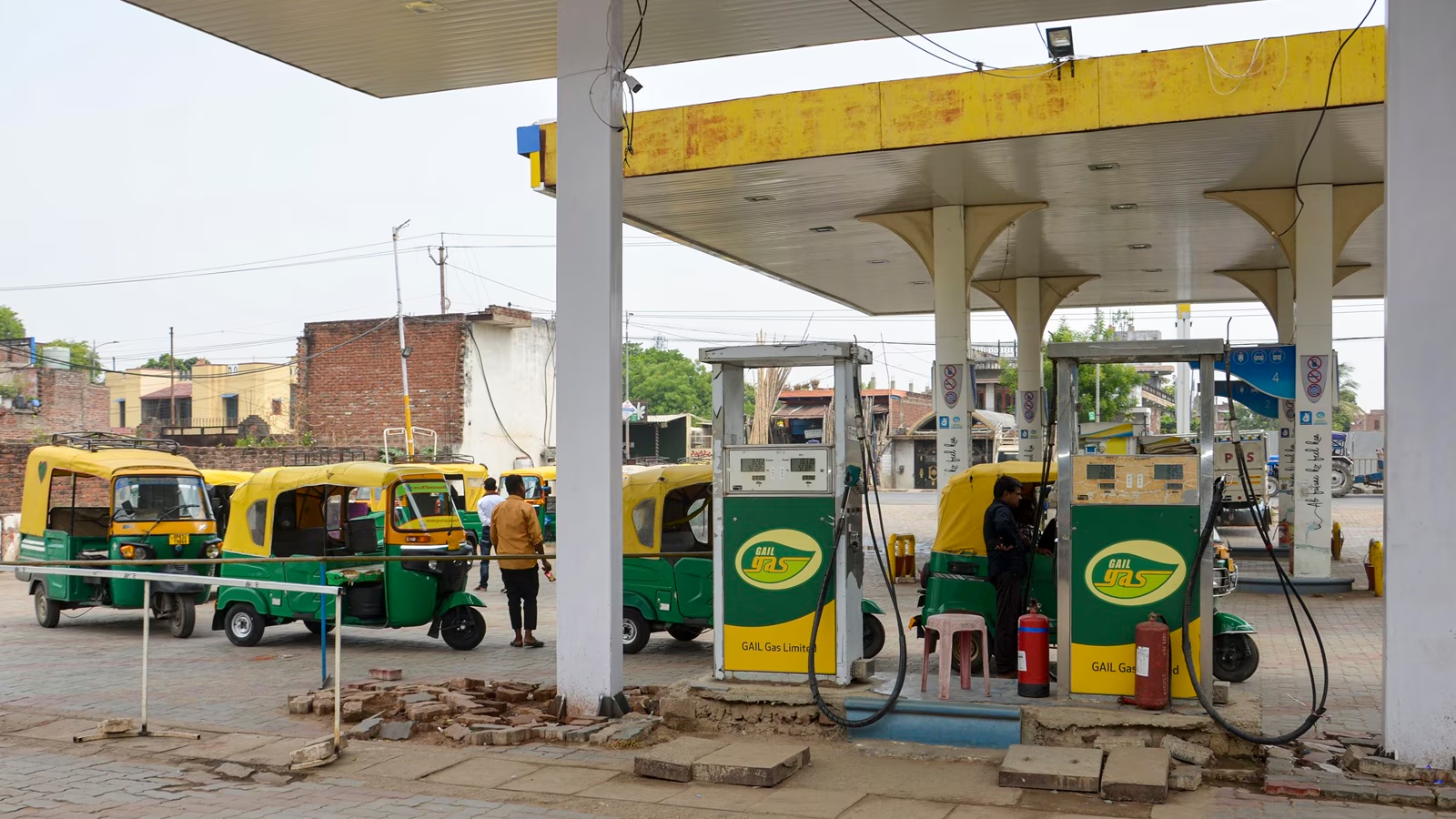
Compressed Natural Gas (CNG) prices have been increased by Re 1 per kg. The price hike comes into effect from Saturday, May 23. The increase in CNG price comes along with the hike in petrol and diesel prices. This is the third hike in prices in nine days.
After the fuel price hikes, the Centre sought to reassure citizens about the availability of adequate fuel. “India has adequate availability of petrol and diesel supplies across the country continue to remain stable. Citizens are advised to avoid panic buying and purchase fuel only as per actual requirement,” the Ministry of Petroleum and Natural Gas posted on X. “Temporary pressure at some retail outlets is being addressed through continuous supply monitoring and coordinated distribution efforts by Oil Marketing Companies. Responsible consumption and public cooperation will help ensure smooth fuel availability for everyone during the ongoing high-demand period,” the ministry further said.

India has adequate availability of petrol and diesel supplies across the country continue to remain stable.
Citizens are advised to avoid panic buying and purchase fuel only as per actual requirement. Temporary pressure at some retail outlets is being addressed through… pic.twitter.com/6WawJS51Cs
— Ministry of Petroleum and Natural Gas #MoPNG (@PetroleumMin) May 22, 2026
Following the latest revision, CNG in Delhi will now be sold at a retail price of Rs 81.09 per kg, while consumers in Noida and Ghaziabad will pay Rs 89.70 per kg. Earlier, prices were raised by Rs 2 on May 15 and by another Re 1 on May 18.
The latest increase comes as state-owned oil companies continue to pass on the impact of rising energy costs triggered by the ongoing Middle East crisis. Since May 15, this is the third upward revision in CNG prices.
How the hike could affect consumers
The increase in CNG prices is likely to affect public transport costs and add to retail inflation. As a significant portion of buses, autos, and other public transport vehicles operate on CNG, operators are expected to transfer the added burden to passengers through higher fares.
Global fuel supplies have also been hit by the closure of the Strait of Hormuz, a key route that carries nearly one-fifth of the world’s oil shipments. The disruption has pushed up energy prices globally, making domestic fuel rates difficult to sustain without revisions. According to oilprice.com, benchmark Brent crude was trading at $103 per barrel on Saturday morning, while the West Texas Intermediate (WTI) cude was priced at over $96.
Oil companies under pressure
The rise in retail fuel prices comes amid growing losses faced by India’s oil marketing companies. State-run OMCs Indian Oil Corporation Limited (IOCL), Bharat Petroleum Corporation Limited (BPCL), and Hindustan Petroleum Corporation Limited (HPCL) are reportedly incurring losses in crores every day as they purchase crude oil at elevated prices while being unable to fully pass on the costs to consumers.
Last week, Prime Minister Narendra Modi appealed to citizens to conserve fuel and opt for remote work wherever possible, saying the move could help reduce crude oil demand and curb India’s foreign exchange outflow.
#WATCH | Secunderabad, Telangana | On the impact of West Asia conflict, Prime Minister Narendra Modi says, “… Gold purchases are another area where foreign exchange is used extensively… In the national interest, we must resolve not to purchase gold for a year, no matter how… https://t.co/lNWTmHlf4q pic.twitter.com/konOsJ7Okp
— ANI (@ANI) May 10, 2026